




Curiosity Unleashed
Play is far more than just amusement for toddlers; it's their primary method of understanding the world. Through hands-on exploration, such as manipulating
toys or venturing outdoors, they satisfy an innate curiosity that drives learning. Activities like building with blocks or running freely aren't merely fun; they are sophisticated learning experiences. Playtime ignites their ability to communicate, fosters creative thinking, enhances social understanding, and sharpens problem-solving skills. By allowing children ample opportunities to play and investigate, parents cultivate an environment where learning feels natural and enjoyable, making play an indispensable tool for their comprehensive development.
Building Social Bonds
When toddlers engage in play with siblings, friends, or peers, they embark on a journey of social learning. This interactive play teaches them invaluable lessons in cooperation, such as the concepts of sharing and taking turns, and how to work harmoniously within a group. Simultaneously, playtime serves as a crucial arena for emotional discovery. A child might experience elation after succeeding in a game or frustration when things don't go as planned. These experiences, facilitated through play, equip toddlers with the essential skills to navigate their feelings, manage emotional responses, and form positive relationships, ultimately fostering emotional resilience and social adeptness.
Language Flourishes
The dynamic interactions during playtime, filled with chatter, laughter, and shared activities, significantly contribute to a toddler's linguistic development. As they play, children often narrate their actions, echo words they hear, or follow instructions in games, all of which strengthen their verbal skills. Parents can amplify this learning by actively participating, introducing new vocabulary related to toys, like describing the colors or sounds of toy animals. This collaborative play not only expands their vocabulary and improves their ability to articulate thoughts but also boosts their confidence in communicating, establishing play as a fundamental pathway to mastering language and effective conversation.
Imagination Takes Flight
Playtime provides a fertile ground for toddlers to exercise their imaginative faculties, transforming everyday objects into props for grand adventures. A simple toy can evolve into a captivating character, or a cardboard box can morph into a vehicle or a cozy dwelling. These flights of fancy are instrumental in cultivating creativity and fostering flexible thinking patterns. When children devise their own games or narratives, they are actively engaging in problem-solving and learning to express their unique ideas. Encouraging this imaginative play not only builds their self-assurance but also fuels their intrinsic motivation to explore and discover, making play a delightful avenue for creative growth.
Physical Prowess Develops
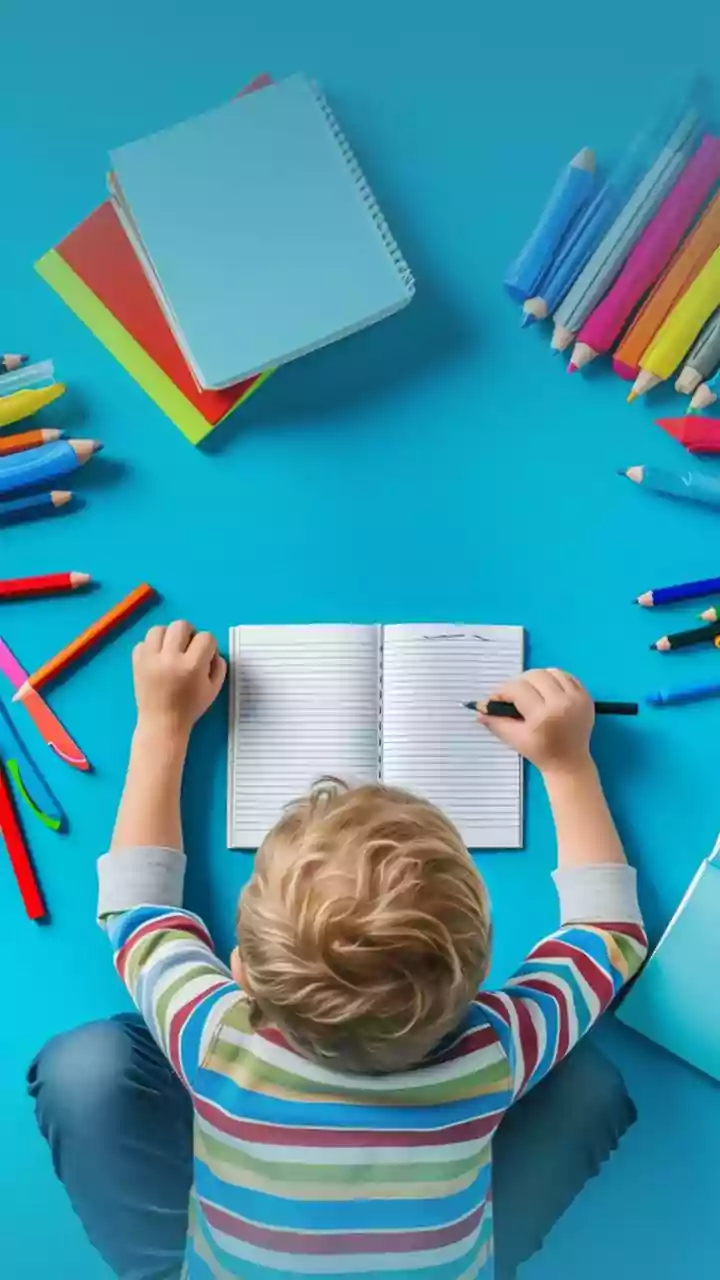
The physical demands of active play are vital for a toddler's growing body. Engaging in activities like running, jumping, climbing, and dancing helps to build muscle strength and enhance balance and coordination. Furthermore, the fine motor skills honed through play—such as stacking toys, drawing, or fitting puzzle pieces—are critical for developing hand dexterity. These movements and manipulations prepare them for essential life tasks, including writing, participating in sports, and performing everyday activities. Play, therefore, is not just about enjoyment; it's a fundamental component of physical health, promoting strength, agility, and overall well-being.
Cognitive Exploration
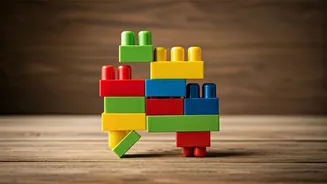
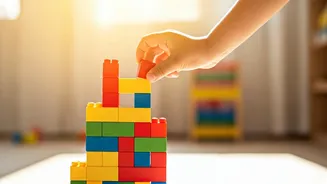
Through play, toddlers naturally engage in a process of discovery, seeking to understand how the world around them functions. Whether they are stacking blocks to construct a tower or experimenting with toys, this exploration encourages them to ask questions and test hypotheses. For instance, they learn cause and effect by observing that careful stacking leads to a stable structure, while force might cause it to collapse. These fundamental experiences in experimentation stimulate their cognitive abilities, foster a desire to learn more, and develop their capacity for critical thinking and problem-solving, making each play session a valuable learning opportunity.