





Sunscreen: Your Daily Shield
Protecting your skin from the sun's harmful ultraviolet (UV) rays is paramount during the summer months. Dermatologists consistently emphasize the critical
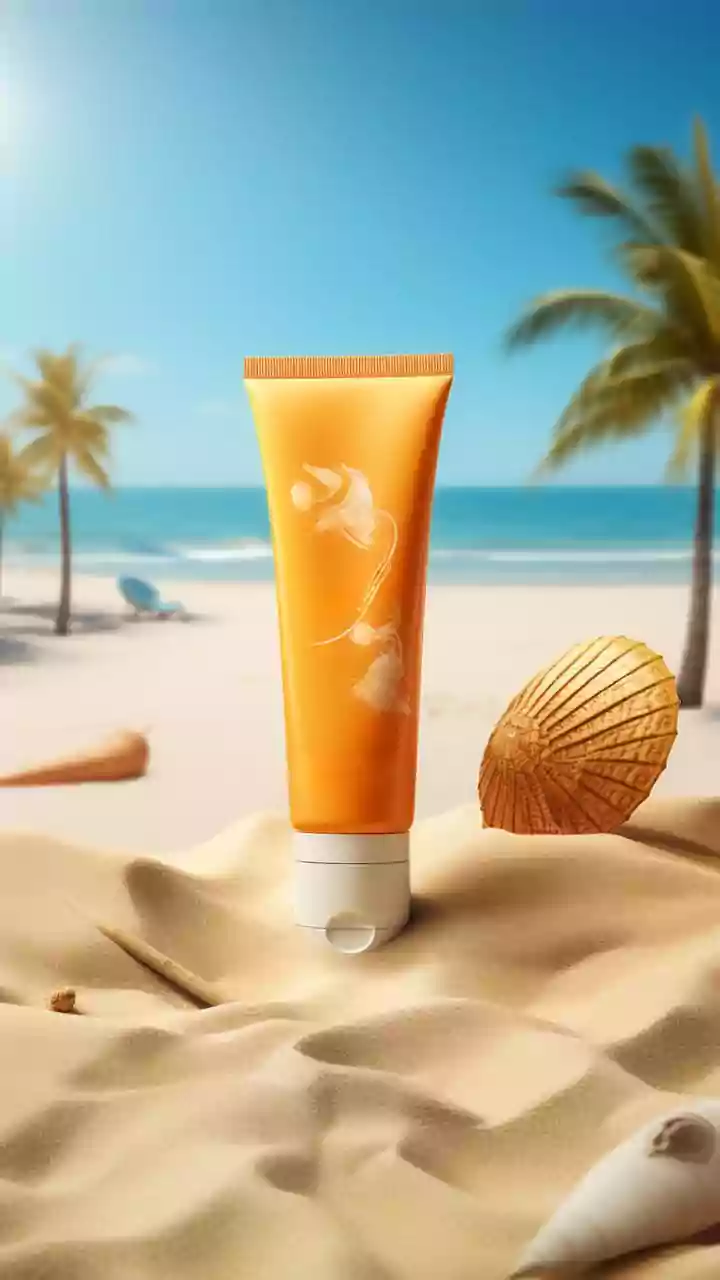
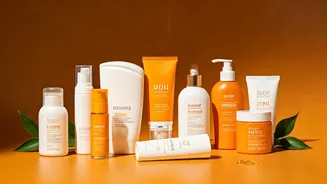
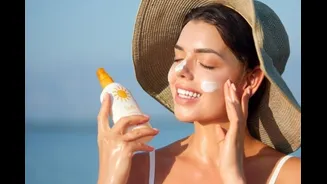
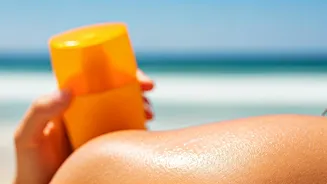
role of sunscreen as your first line of defense against sun damage. It's essential to select a broad-spectrum sunscreen, which means it protects against both UVA and UVB rays, as both contribute to skin aging and increase the risk of skin cancer. Look for an SPF (Sun Protection Factor) of 30 or higher, as this offers a significant level of protection. Applying sunscreen should be a daily ritual, not just for beach days. Make it a habit to apply it generously to all exposed skin about 15 to 30 minutes before heading outdoors. Remember that even on cloudy days, UV rays can penetrate the clouds and reach your skin. Reapplication is key, especially after swimming, sweating, or towel drying, as these activities can diminish the sunscreen's effectiveness. Carry a travel-sized sunscreen for touch-ups throughout the day to ensure continuous protection.
Hydration: Inside and Out
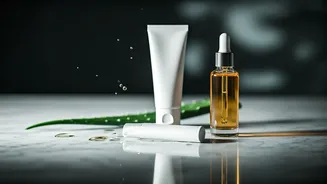
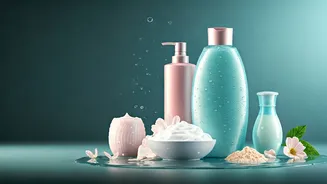
Maintaining adequate hydration is crucial for healthy skin, particularly during the sweltering summer heat. When your body is dehydrated, your skin can appear dull, dry, and less plump, making it more susceptible to environmental stressors. Drinking plenty of water throughout the day is the most effective way to keep your skin hydrated from the inside. Aim for at least eight glasses of water daily, and even more if you're engaged in outdoor activities or experiencing particularly high temperatures. Beyond internal hydration, topical moisturizers play a vital role in locking in moisture and reinforcing the skin's natural barrier. Opt for lightweight, oil-free moisturizers during the summer, as heavier creams can clog pores and lead to breakouts in humid conditions. Look for ingredients like hyaluronic acid, which attracts and retains moisture, or ceramides, which help repair the skin's protective barrier. Applying moisturizer after cleansing and showering helps to seal in the hydration, leaving your skin feeling soft, supple, and resilient.
Sun Protective Clothing
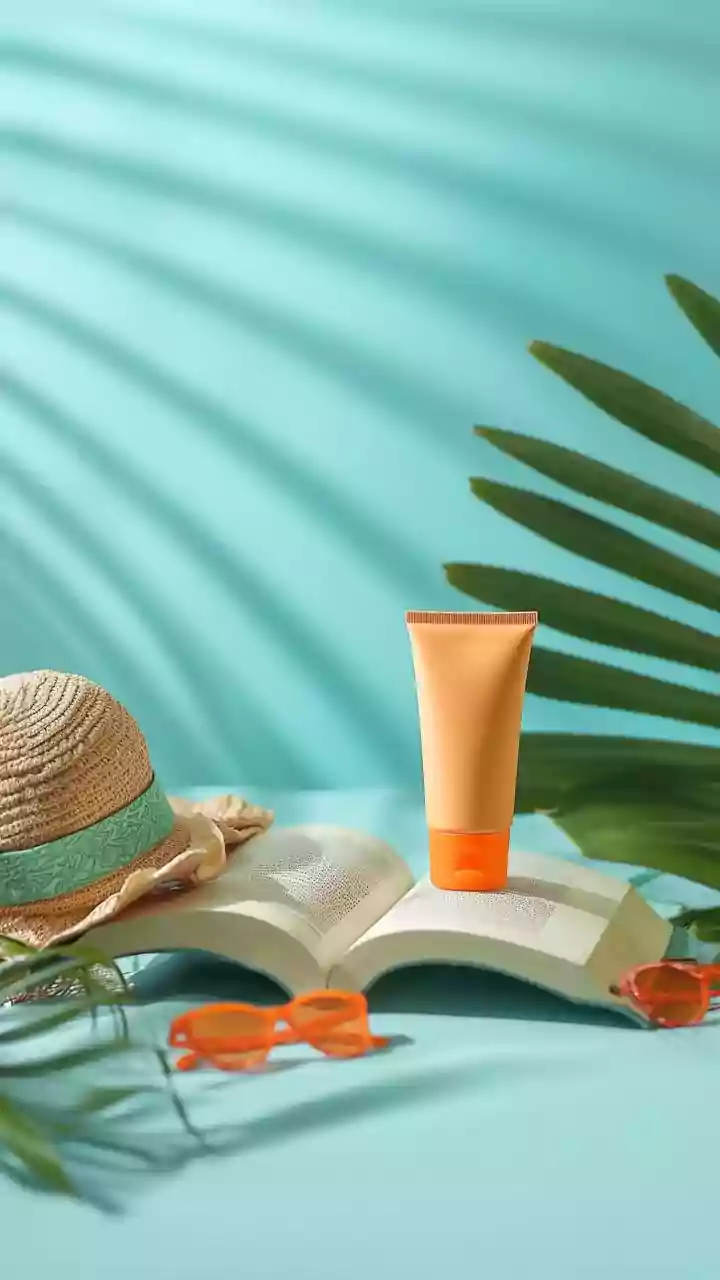
While sunscreen is a powerful tool, it's not the only way to shield your skin from the sun's damaging effects. Incorporating sun-protective clothing into your summer wardrobe offers an additional, reliable layer of defense. This type of apparel is specifically designed to block a significant portion of UV radiation, providing a physical barrier that sunscreen alone cannot match. Look for garments made with tightly woven fabrics, as these offer better protection than loosely knit materials. Many activewear brands now offer clothing with a UPF (Ultraviolet Protection Factor) rating, similar to SPF for sunscreen, which indicates the fabric's ability to block UV rays. A UPF of 50+, for instance, means that only 1/50th of UV radiation can penetrate the fabric. Wide-brimmed hats are also indispensable for protecting your face, scalp, ears, and neck, areas often exposed to direct sunlight. Sunglasses that offer 100% UV protection are essential for safeguarding your eyes and the delicate skin around them. Wearing long sleeves and pants, especially during peak sun hours (typically 10 AM to 4 PM), can significantly reduce your overall UV exposure and lower your risk of sunburn and long-term skin damage.
Cooling Down Skin
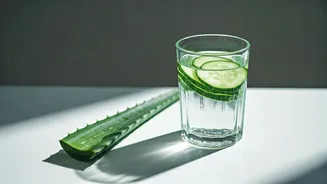
The intense summer heat can leave your skin feeling flushed, irritated, and uncomfortable, especially after prolonged sun exposure. Implementing strategies to cool your skin down can provide immediate relief and help prevent further damage. One of the simplest yet most effective methods is to take cool showers or baths. This helps to lower your body temperature and soothe heated skin without stripping its natural oils. You can also use a cool, damp cloth or a refreshing facial mist to instantly cool down your face and neck. Avoiding excessively hot water is important, as hot water can further dehydrate and irritate your skin. If you've experienced sunburn, applying a cool compress or a soothing aloe vera gel can provide significant relief and aid in the healing process. Additionally, staying in air-conditioned environments or seeking shade whenever possible can help prevent your skin from overheating. Light, breathable fabrics like cotton and linen also promote air circulation, keeping your skin cooler and more comfortable.