




Functional Beginnings
The cap's story begins not with style, but with necessity. In medieval Europe, caps were primarily worn by men engaged in manual labor, offering essential
protection from the elements and a measure of warmth. Their utility was so recognized that in England, specific laws mandated the wearing of wool caps on certain days, a measure designed to bolster the domestic wool industry. This early period firmly established the cap as a practical garment, deeply intertwined with the daily lives of working people, long before it was considered a fashion accessory. Its evolution was slow, driven by the need for protection and comfort in various climates and working conditions, setting the stage for its later, more sophisticated roles.
The Flat Cap's Ascent
By the 19th century, a particular style began to capture widespread appeal: the flat cap. Also known by various names like the newsboy cap, this design became a recognizable emblem for laborers across Britain and Ireland. Its simple yet distinctive silhouette offered a blend of practicality and a touch of personal style that resonated with the working class. Over time, the flat cap transcended its utilitarian roots to acquire significant cultural weight, eventually becoming synonymous with a classic, vintage aesthetic. Its enduring popularity speaks to its timeless design, which continues to evoke a sense of heritage and refined casualness in contemporary fashion circles.
Cultural Icons Emerge
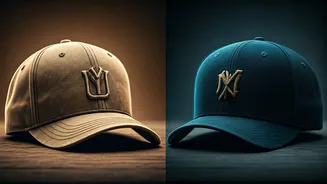
Caps have profoundly influenced and been influenced by popular culture, evolving into potent symbols of personal identity and self-expression. Genres like hip-hop, for instance, have embraced specific cap styles, making them integral to their visual language and ethos. The late 20th century witnessed an explosion in the popularity of snapback and fitted caps, driven by their adoption by musicians, athletes, and celebrities. These styles became more than just headwear; they were declarations of belonging, markers of subcultural affiliation, and statements of individual flair, demonstrating the cap's capacity to communicate complex social and personal narratives.
Military and Sport Influence
The cap's journey also includes its significant role within military and sporting spheres, which in turn shaped civilian fashion. Structured caps, particularly those with peaks or visors, became integral components of military uniforms. These designs, often denoting rank and discipline, conveyed authority and order. Concurrently, in the United States during the 19th century, the precursors to the modern baseball cap emerged as part of sports team attire. The inherent practicality and relaxed demeanor of these caps made them appealing beyond the field, laying the groundwork for their widespread adoption as a casual, everyday item that bridged the gap between athletic apparel and mainstream style.
Modern Fashion Integration
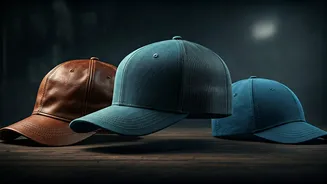
Today, the cap stands as a ubiquitous element in the fashion landscape, embraced by both high-fashion luxury houses and prominent streetwear labels. This dual acceptance highlights its remarkable adaptability. Designers have reimagined caps with premium materials and intricate detailing, placing them on runways and in exclusive collections, while streetwear culture continues to champion their inherent coolness and versatility. Whether gracing the heads of athletes, fashion-forward individuals, or simply those seeking everyday comfort, the cap seamlessly blends essential functionality with cutting-edge style, solidifying its status as a truly global fashion phenomenon.