





Transplant Longevity Explained
Hair transplantation is widely recognized as a definitive treatment for addressing hair loss. A significant study involving 500 cases has thoroughly investigated
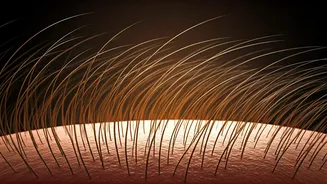
its lasting effects, confirming that transplanted hair typically continues to grow over time. The core principle behind this procedure's success lies in 'donor dominance.' Grafts are usually harvested from the occipital region of the scalp, an area where hair follicles possess genetic traits that make them inherently resistant to Dihydrotestosterone (DHT), the primary hormone responsible for pattern baldness. Consequently, when these DHT-resistant follicles are relocated to areas experiencing thinning or balding, they retain their original growth characteristics and continue to thrive, effectively providing a permanent solution.
500-Case Study Findings
A compelling analysis of 500 patients treated at Goglo Hospitals, spearheaded by Dr. Venkat and his team, has provided robust evidence of hair transplantation's enduring success. The study meticulously tracked these individuals, reporting exceptional survival rates for transplanted follicles, exceeding 80% even after an extensive observation period of up to ten years. Patients in the study consistently maintained good hair density and exhibited natural growth patterns, mirroring their original hair. This outcome strongly supports the concept that transplanted hair functions independently of the hormonal influences present in the bald areas of the scalp, solidifying its reliability.
Expanding Donor Sources
While scalp donor hair is the primary source for transplantation, situations where scalp donor availability is limited have led to exploring alternative sites. Encouragingly, hair from areas such as the beard and chest has demonstrated considerable effectiveness in transplantation procedures. Although these body hairs may have different growth cycles compared to scalp hair, research indicates they achieve commendable survival rates and yield results comparable to those obtained using traditional scalp donor grafts. This broadens the options for patients and enhances the potential for successful outcomes even in more challenging cases.
Transplanted Hair Limitations
Despite the inherent DHT resistance of transplanted hair follicles, it's crucial to understand that they are not entirely immune to external physiological factors. Certain bodily conditions can still influence the growth and density of even grafted hair. For instance, significant fluctuations in body temperature, periods of extreme emotional or physical stress, or a deficiency in essential nutrients can temporarily impact hair health, potentially leading to temporary thinning. However, these effects are generally reversible; as the underlying conditions are managed or resolved, the hair is expected to recover its normal growth pattern.
Future Hair Loss Considerations
It is vital to acknowledge that while the grafted hair itself remains resilient, the natural, non-grafted hair on the scalp may continue to be affected by the ongoing androgenic (hormonal) processes. This means that progressive thinning of the original hair can still occur over time, even after a successful transplant. Therefore, to maintain optimal and consistent scalp density, it is often recommended to consider hair transplantation in conjunction with appropriate medical treatments or medications designed to counteract or slow down the effects of androgenic alopecia. This combined approach helps manage future hair loss and preserves the overall appearance of a fuller head of hair.