


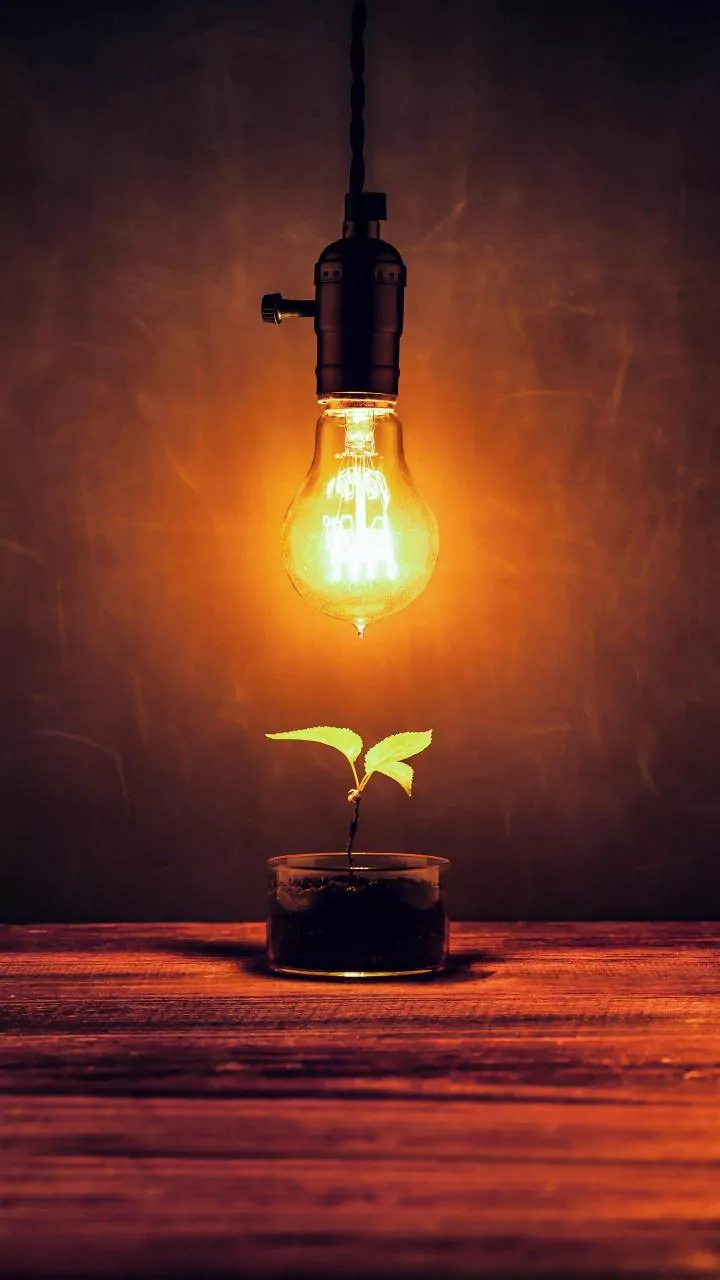



Understanding Seasonal Scaries
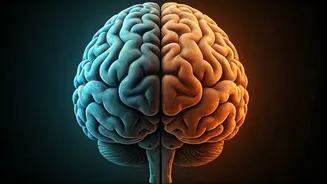
Seasonal Affective Disorder (SAD) is a type of depression linked to changes in seasons, often striking during fall and winter when there's less sunlight.
Symptoms include persistent low mood, loss of interest in activities, fatigue, and changes in sleep patterns or appetite. The reduced sunlight disrupts the body's natural sleep-wake cycle (circadian rhythm) and can lower serotonin and increase melatonin levels, impacting mood. SAD is more prevalent in regions with long winters. While individual experiences vary, SAD can significantly affect one's quality of life and is often managed through light therapy, medication, or lifestyle adjustments.
How SAD Lamps Work
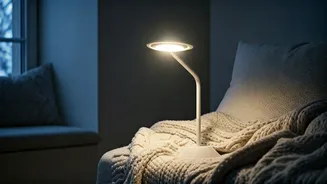
SAD lamps, or light therapy boxes, are designed to emit bright, full-spectrum light that mimics natural sunlight. This exposure helps regulate the body's circadian rhythm and boosts serotonin production, a neurotransmitter associated with mood. The lamps typically produce light with an intensity of 10,000 lux, which is significantly brighter than regular indoor lighting. Users sit in front of the lamp for a specific duration, typically 20-30 minutes daily, ideally in the morning. The light enters through the eyes and affects the brain's hypothalamus, which controls sleep, appetite, and mood. The effectiveness of a SAD lamp depends on the correct light intensity, duration, and consistent use. It's essential to follow the manufacturer's guidelines for optimal results.
Benefits and Usage Tips
The use of SAD lamps can yield several benefits, including improved mood, increased energy levels, better sleep patterns, and a reduction in symptoms of seasonal depression. Many users report feeling more alert, less fatigued, and generally happier during the darker months. When using a SAD lamp, it's crucial to position the lamp correctly, typically at a distance of about 16-24 inches from the face. Avoid looking directly at the light; instead, position the lamp so the light reaches your eyes while you engage in activities like reading or working. Regular use, ideally in the morning, is key to achieving optimal results. Consistency and patience are important; it may take several weeks to notice significant improvements in mood and energy.
Choosing the Right Lamp
Selecting the appropriate SAD lamp is essential for effective light therapy. Look for lamps that emit the recommended 10,000 lux of light and filter out harmful UV rays. Consider the size and design of the lamp, as it should fit comfortably into your living or working space. Other factors to consider are timer settings, which allow for controlled sessions, and the lamp's light spectrum. Ensure the lamp has a certification or is medically approved, as well as checking customer reviews. The right lamp depends on individual needs and preferences. It's often helpful to consult with a healthcare professional to determine the most suitable type and usage schedule, especially if you have existing eye conditions or other health concerns. Researching various models and comparing features ensures the lamp suits your needs.
Addressing Potential Concerns
While generally safe, SAD lamps can cause side effects like eye strain, headaches, and sleep disturbances in some individuals. It's crucial to start with shorter sessions and gradually increase the duration of exposure. People with eye conditions or certain medical conditions should consult a doctor before using a SAD lamp. Those prone to headaches might find the bright light triggers them. If you experience any adverse effects, discontinue use immediately and seek medical advice. Additionally, it is important to understand that SAD lamps are not a replacement for professional medical treatment. They are often used in conjunction with other therapies. If symptoms persist or worsen, consult with a mental health professional for proper diagnosis and comprehensive treatment options.