



The Rise of Homegrown Fruit
The dream of a home orchard is now achievable for many, regardless of property size. Dwarf fruit trees have made it possible for individuals in modest
backyards or even on balconies to enjoy fresh, self-picked produce. This trend is fueled by a growing interest in home gardening, particularly among younger generations. Beyond aesthetics, gardening has been scientifically linked to increased consumption of fruits and vegetables, enhanced physical activity, and significant improvements in mood and stress reduction, with proximity to nature playing a crucial role in these benefits. Studies have shown that community gardeners consume more vegetables and derive satisfaction from the taste of homegrown produce, a sense of pride, and self-reliance. Growing your own fruit is no longer a niche activity but a practical and fulfilling investment in one's living space and overall lifestyle, offering tangible rewards in both well-being and flavor.
Dwarf Apple Varieties
Dwarf apple trees are an excellent choice for limited areas, typically reaching a mature height of about 10 feet, making them ideal for small yards or even substantial containers. For those with exceptionally tight spaces, columnar varieties are an even better option; their extremely narrow growth habit allows them to be placed close to fences without compromising fruit production, yielding full-sized apples. A key consideration for a successful apple harvest is cross-pollination, which requires planting at least two different apple varieties in proximity to each other. For enthusiasts looking for unique flavors for pies, cider, or sauces, consider heritage varieties like the Cox Orange Pippin or Orleans Reinette, which offer distinct character and taste profiles.
Dwarf Fig Delight
In warmer climates such as California, Texas, or the southeastern United States, dwarf fig trees are a superb addition to any garden. These trees are remarkably low-maintenance, requiring little pruning and demonstrating natural resistance to many common pests and diseases. They are also drought-tolerant and self-pollinating, simplifying their care. For smaller garden spaces, varieties like the Black Jack and Violette de Bordeaux are particularly well-suited. Even the Brown Turkey variety, though potentially larger, can be managed effectively and serves as a generous provider of shade if desired, adding both fruit and aesthetic value.
Meyer Lemon: Patio Superstar
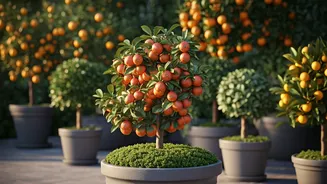
The Meyer lemon tree is an outstanding choice for those with minimal or no traditional yard space, as it thrives exceptionally well in containers. It can be a vibrant addition to a patio, porch, or balcony, and is conveniently sized to be brought indoors during colder weather. This cultivar is known for its fragrant blossoms and prolific fruit production, offering a highly satisfying gardening experience for those seeking tangible results with a smaller footprint. It's a practical solution for urban dwellers or anyone looking to maximize their growing potential in compact environments, providing fresh citrus with relative ease.
Dwarf Cherry Rewards
Dwarf cherry trees present a surprisingly manageable and highly rewarding option for small-space fruit cultivation. These trees typically grow to around 8 feet, allowing you to harvest fruit comfortably within arm's reach without them overwhelming your garden. Sour cherry varieties, such as Montmorency, are naturally more compact and therefore better suited for tighter spaces. A common challenge, however, is protecting the ripening fruit from hungry birds before you can enjoy the harvest. Despite this minor hurdle, the ease of cultivation and the delicious reward make dwarf cherries a worthwhile endeavor for any small garden.
Dwarf Plum Versatility
The dwarf plum tree offers dual benefits, enhancing your garden's appeal in both spring and autumn. In spring, it delights with an abundance of delicate pale pink blossoms, while in fall, its foliage transforms into a warm display of gold and amber hues, making it one of the more ornamental choices among fruit trees. Despite its decorative qualities, it also reliably produces fruit. Its upright and tidy growth habit makes it an ideal candidate for narrow garden beds or along fence lines. For those seeking compact European varieties known for intensely sweet fruit, consider Jefferson or Italian plum. If Asian plum varieties are preferred, the Weeping Santa Rosa is adaptable and easy to train, ensuring it won't dominate a small area.
Peaches and Nectarines
While often overlooked for small spaces, peach and nectarine trees can be surprisingly well-suited for compact gardens. Their naturally compact growth can be effectively managed with diligent pruning techniques. A significant advantage is that they are self-pollinating, meaning you only need to plant a single tree to achieve a harvest. The Snow Queen nectarine is particularly noteworthy for its balanced sweet and tart flavor profile, making it a delightful choice for home cultivation. These trees offer a substantial yield of delicious fruit without demanding extensive space, proving that stone fruits are indeed accessible for smaller growing areas.
Dwarf Mulberry Forgiveness
For gardeners who are less confident in their horticultural skills, the dwarf everbearing mulberry tree is an excellent starting point. This variety is characterized by its rapid growth, self-fertility, and exceptional tolerance for beginner mistakes, making it a truly forgiving option. While its fruit can sometimes create a minor mess around patios or concrete areas, strategic placement can mitigate this issue. For sheer ease of care and quick results, the dwarf mulberry stands out as one of the most accessible fruit trees on this list, promising a bountiful harvest with minimal fuss.
Dwarf Pear Elegance
The dwarf pear tree is a refined and structurally pleasing addition to any small garden, naturally growing in a neat, pyramidal shape that requires minimal upkeep. Uniquely among the fruit trees listed, dwarf pears demonstrate a notable resilience and can thrive even in heavier clay soil conditions, unlike many others that demand well-draining soil. Varieties like the Seckel are small in stature but packed with intense flavor. Furthermore, the Duchess d'Angouleme and Warren are reliable, low-maintenance selections that consistently produce good yields, offering both beauty and bounty with ease.
Dwarf Pomegranate Spectacle
For those with extremely limited space, often referred to as micro-spaces, the dwarf pomegranate is a standout option. These charming trees typically reach a height of only 3 to 6 feet, making them perfect for tight corners or containers. They exhibit excellent drought tolerance, reducing the need for constant watering once established. Beyond their fruit production, dwarf pomegranates are genuinely ornamental, gracing the garden with vibrant, fiery orange-red blooms that add a splash of color and visual interest, truly acting as a showstopper in small garden designs.