





Pose Benefits Unveiled
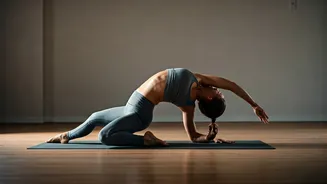
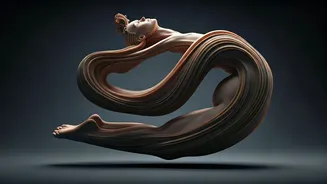
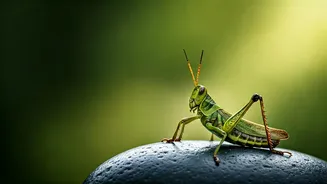
Bala Parsva Bhuja Dandasana, often referred to as the Baby Grasshopper Pose, is an advanced yoga posture celebrated for its multifaceted benefits. Regular
practice significantly bolsters the strength of the arms, wrists, and shoulders, while also engaging and fortifying the core muscles. Beyond upper body conditioning, this pose dramatically enhances hip flexibility and promotes suppleness throughout the spine and the entire leg, including the hamstrings. It's also known to positively influence the digestive and reproductive systems, contributing to their optimal functioning. Furthermore, the mental advantages are profound, as it sharpens focus and concentration, cultivates willpower, and fosters a sense of mental stability and discipline. This holistic approach to well-being makes it a coveted practice for many dedicated yogis seeking both physical mastery and inner calm.
Approaching the Pose
To safely integrate the Baby Grasshopper Pose into your yoga routine, a progressive approach is crucial. Begin by mastering Malasana, the yogic squat, which effectively prepares the hips by opening them up. Following this, incorporate gentle spinal twists to enhance vertebral mobility. Building foundational strength for arm balances is also key; practicing poses like Bakasana, or Crow Pose, will develop the necessary power in your arms and core. Once these prerequisites are met, you can begin scaling up. Start from a squat position, twist your torso, and place the opposite elbow just outside your knee. With both hands planted firmly on the floor, gradually shift your weight forward. The next step involves lifting one foot off the ground while maintaining the torso twist. During this stage, prioritize engaging your core for stability and balance over achieving a full leg extension. This gradual build-up ensures a safer and more effective learning curve for this challenging posture.
Advanced Scaling Steps
For practitioners ready to advance from the beginner stages, the progression towards the full Baby Grasshopper Pose involves further refinement of balance and strength. From the twisted squat position, firmly plant both hands on the mat. Begin to meticulously shift your weight forward, utilizing the strength developed in your arms and core. The pivotal move here is lifting both feet simultaneously off the ground, sustaining the twist. The ultimate aim is to extend the legs out to one side, creating the characteristic Grasshopper shape while balancing entirely on your arms. Throughout this advanced phase, maintaining an active spine is paramount to support the posture and prevent injury. Keep your gaze directed forward to aid in balance and ensure your breath remains steady and controlled, facilitating sustained effort and composure in this demanding pose.
Essential Do's & Don'ts
When practicing Bala Parsva Bhuja Dandasana, adhering to specific guidelines is vital for safety and efficacy. It is imperative to avoid this posture if you have any pre-existing injuries affecting your wrists, shoulders, elbows, or lower back. Prior to attempting the pose, a thorough warm-up routine targeting the wrists, shoulders, hips, and spine is non-negotiable. Never rush into the pose; as an advanced arm balance, it demands a gradual and consistent progression. Always actively engage your core muscles to protect your joints and prevent your shoulders from collapsing. For beginners, practicing under the supervision of a qualified yoga instructor is strongly recommended. Additionally, individuals who are pregnant or have high blood pressure should refrain from performing deep twists, making this pose unsuitable for them.