
The Sweet Foundation
Crafting your own simple syrup is remarkably straightforward, requiring just two fundamental ingredients: granulated sugar and water. The most common and balanced
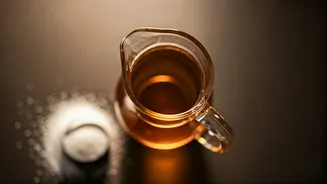
ratio for this foundational sweetener is a 1:1 proportion, meaning equal parts sugar and water. This combination yields a syrup that is fluid enough to blend seamlessly into beverages and desserts without graininess. However, for applications where a richer sweetness or thicker consistency is desired, a 2:1 ratio of sugar to water can be employed. This richer version offers a more intense sweetness and a syrup that coats ingredients more luxuriously. The beauty of homemade simple syrup lies in its purity and adaptability; by controlling the ingredients, you ensure a clean, unadulterated sweetening agent free from the additives often found in store-bought alternatives. It’s the perfect starting point for a multitude of culinary creations.
Effortless Preparation Method
The process for creating simple syrup is elegantly uncomplicated. Begin by combining your chosen ratio of granulated sugar and water in a saucepan. Place the saucepan over medium heat. Stir the mixture continuously with a whisk or spoon until all the sugar crystals have completely dissolved into the water. It's crucial to ensure no sugar granules remain before proceeding. Once the sugar is fully dissolved, remove the saucepan from the heat. Allow the syrup to cool down to room temperature. This cooling process is essential for achieving the correct consistency and preventing any undesirable cooked sugar flavors. Rushing this step can result in a syrup that is too thin or doesn't blend as smoothly. Patience here guarantees a superior final product ready for its many uses.
Versatile Kitchen Uses
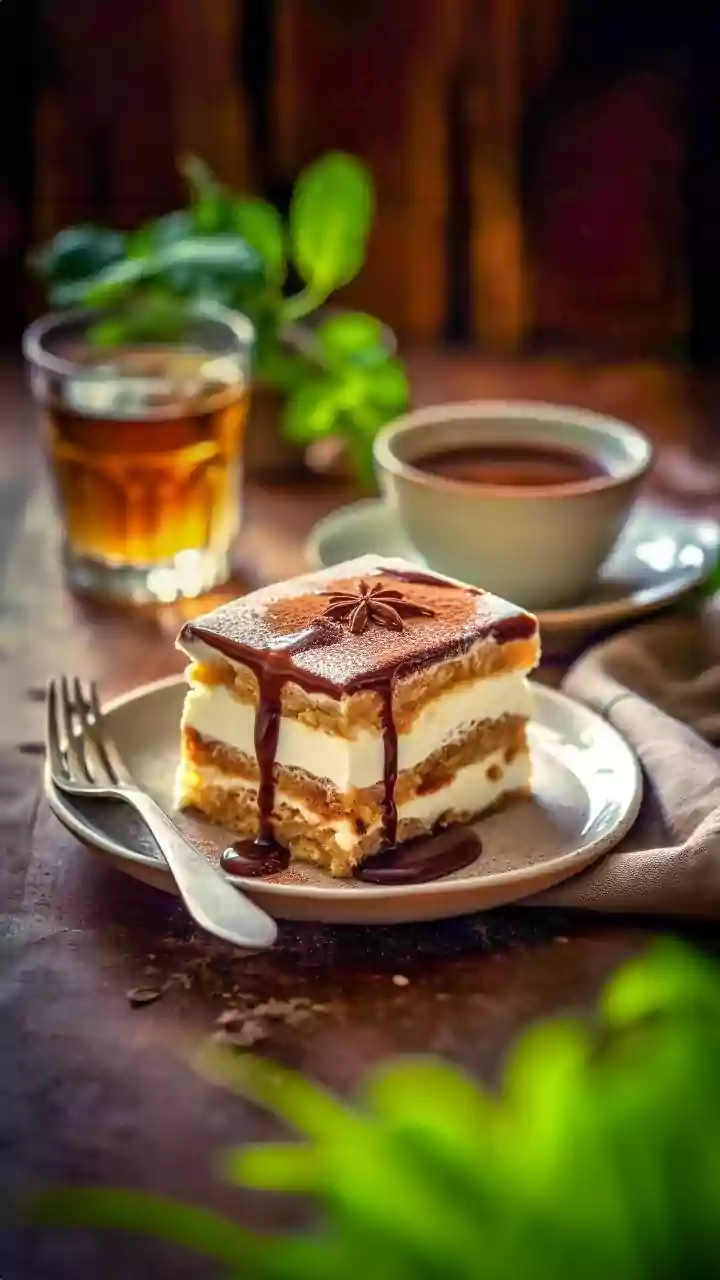
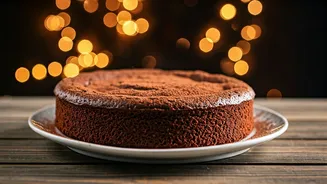
Homemade simple syrup is a culinary chameleon, lending its sweetness to an impressive array of dishes and drinks. In the realm of beverages, it's an indispensable component for cocktails and mocktails, dissolving instantly to add sweetness without the gritty texture that can arise from granulated sugar. It’s perfect for sweetening iced tea, lemonade, and even coffee. Beyond drinks, its utility extends to desserts. Drizzle it over fruit salads to enhance their natural sweetness or use it as a soak for cakes, imparting moisture and a subtle sugary flavor. Bakers often employ it as a glaze for pastries or as a component in frostings and fillings. Its ability to evenly distribute sweetness makes it a go-to for anyone looking to elevate their sweet creations with minimal effort.
Smart Storage Solutions
Proper storage of your homemade simple syrup ensures its longevity and quality. Once the syrup has completely cooled to room temperature, transfer it to an airtight container. A clean glass jar or bottle with a tight-fitting lid is ideal. Store the container in the refrigerator. When kept chilled and sealed, basic simple syrup (with a 1:1 sugar-to-water ratio) can typically last for several weeks, often up to a month. If you prepare a richer syrup with a 2:1 sugar-to-water ratio, its increased sugar content can extend its shelf life even further, potentially lasting for several months under refrigeration. Always check for any signs of spoilage, such as cloudiness or an off odor, before using, though it is quite stable when stored correctly.
Flavor Infusion Ideas
While plain simple syrup is wonderfully versatile, infusing it with additional flavors opens up a universe of creative possibilities. To do this, simply add your desired flavoring agents to the hot syrup after the sugar has dissolved and before it cools. Consider incorporating elements like fresh herbs such as mint, basil, or rosemary for an aromatic twist. Spices like cinnamon sticks, star anise, or cardamom pods can lend warm, complex notes. Citrus peels, including lemon, lime, or orange zest, impart a bright, fresh tang. For a more decadent flavor, add vanilla beans, coffee beans, or even cocoa nibs. Allow the flavoring agents to steep in the syrup as it cools, then strain them out before storing. Experimentation is key; unique flavored syrups can transform ordinary drinks and desserts into extraordinary culinary experiences.