



Ghee's Significance
Ghee holds a revered position in Indian culinary traditions and is highly valued for its flavor, nutritional benefits, and cultural significance. However,
the market is unfortunately vulnerable to adulteration, which can compromise its health benefits and, in some cases, pose significant health risks. Understanding the importance of ghee in the diet, the potential health implications of consuming adulterated products, and practical ways to check for purity are essential. This helps to make informed choices. The presence of adulterants can reduce the nutritional value of ghee and potentially introduce harmful substances into the diet, therefore it is important for consumers to learn how to identify pure ghee.
The Water Test
This is a simple visual test that can be performed to check the purity of ghee. Take a spoonful of ghee and place it in a glass of warm water. Pure ghee should remain solid and sink to the bottom of the glass. If the ghee melts and disperses in the water, this suggests that it may contain adulterants like vegetable oils or other fats. This test is a preliminary indicator, and while it does not pinpoint the exact adulterant, it helps to identify if the product has been tampered with. It's a quick and easy way to screen ghee quality before further investigation. Ensure the water is warm, not hot, to avoid misleading results. Observing how the ghee behaves in water gives an initial impression about the product’s purity.
The Heating Test
Another simple test is the heating test, which can be performed at home. Place a small amount of ghee in a clean pan and heat it gently. Pure ghee will melt quickly and turn into a clear, transparent liquid. It will also produce a rich, characteristic aroma. If the ghee doesn't melt and turns brown or black immediately, or if it emits a burnt or unusual odor, it may contain adulterants. This is because the added fats or oils may have different melting points or may burn more quickly than pure ghee. This test offers an indicator, with the changes in texture, color, and odor revealing the quality of the ghee. Careful observation during the heating process can suggest the presence of undesirable ingredients.
The Palm Test
This test uses the sense of touch to gauge the purity of ghee. Take a small amount of ghee on your palm and rub it gently. Pure ghee should absorb into your skin rapidly. If the ghee feels oily or greasy and takes a long time to be absorbed, it may contain vegetable oils or other adulterants. The absorption rate can be a good indicator, since pure ghee has a different texture than products that are not pure. This simple method can be used as a quick way to check if the ghee is what is expected. Make sure the palm is clean and dry before applying the ghee for accurate results.
The Iodine Test
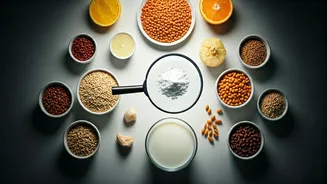
This more advanced method uses iodine to detect the presence of starch or other adulterants. Mix a small amount of ghee with a few drops of iodine solution. If the mixture turns blue, it indicates the presence of starch, often used as an adulterant. Pure ghee will not react in this manner. Though this test requires specific materials, it's effective for identifying starch. This test is a helpful addition to your at-home purity checks. Note that you must handle iodine solution with caution. If it turns blue, the presence of starch suggests a lack of purity in the ghee.
Beyond Testing Alone
While these tests provide a starting point, it is important to also consider other aspects such as sourcing and certification to ensure the ghee's purity and quality. Buying ghee from reputable brands or local producers who follow traditional methods increases the likelihood of getting authentic ghee. Look for certifications that guarantee the ghee has been made from pure milk fat. Always check the labels for ingredients, processing details, and any additives. Being mindful of these additional factors along with the tests, gives a comprehensive approach to finding genuine ghee. By integrating these methods and being informed about where the ghee comes from and how it is made, helps you consume a healthier product.