






The Sugar Deception
Many items marketed as wholesome choices, such as flavored yogurts, pre-packaged smoothies, energy bars, and breakfast cereals, often contain significant
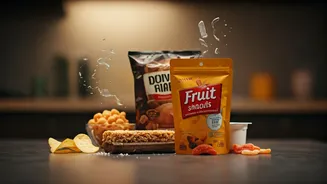
amounts of added sugar. Even claims like 'natural' or 'low fat' can mask a high sugar content. Excessive sugar intake can lead to sharp drops in energy, fluctuating moods, and weight gain. A crucial step in avoiding this pitfall is to scrutinize the ingredient list; if sugar or its derivatives appear among the first few ingredients, the snack is likely not as beneficial as it appears. Understanding these hidden sugars is key to making truly healthier selections.
Mindful Portions
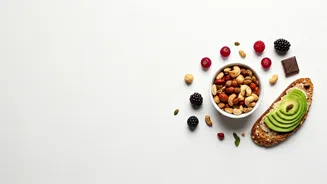
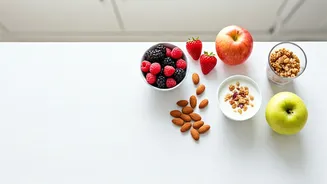
While nuts, seeds, and dried fruits are packed with nutrients, their calorie density means portion control is paramount. Devouring them directly from a large container can easily lead to overconsumption, turning a healthy choice into a calorie overload. Even nutritious foods, when eaten in excessive quantities, can contribute too many calories to your daily intake. It's advisable to portion out snacks into smaller bowls or containers to enjoy their benefits without exceeding your caloric needs and disrupting your dietary goals.
The Protein Gap
A common issue with many snacks is their high carbohydrate content coupled with a deficiency in protein. Simple crackers, plain biscuits, or even certain seemingly healthy snack options might provide temporary fullness but will leave you feeling hungry again quite soon. To achieve sustained satiety and maintain consistent energy levels, incorporating protein is essential. Think about adding options like Greek yogurt, a hard-boiled egg, roasted chickpeas, or a dollop of peanut butter to your snack routine for prolonged satisfaction.
Fibre's Crucial Role
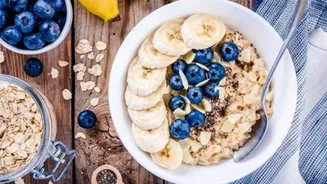
Dietary fibre is vital for efficient digestion and promoting a feeling of fullness, yet many processed snacks, despite their healthy appearance, are notably low in this essential nutrient. To boost your fibre intake, opt for whole fruits over fruit juices, as the latter often strips away much of the beneficial fibre. Similarly, choosing whole-grain bread over refined white bread significantly increases fibre content. Making these simple swaps can dramatically enhance the nutritional value and satiety of your snacks.
Beware of Processing
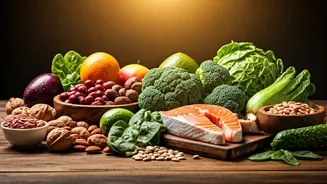
The term 'healthy' on a package doesn't always guarantee a natural product. Many commercially available snacks undergo extensive processing, a method that can strip away vital nutrients and introduce artificial preservatives. The general rule of thumb is that the closer a food is to its original, unprocessed state, the more nutritious it typically is. Prioritizing snacks made from whole, recognizable ingredients will generally lead to better health outcomes.
Liquid Calories Trap
Beverages like smoothies, sweetened milk drinks, iced coffees, and fruit juices can be deceptive sources of calories. While they might seem like light options, liquid calories do not provide the same sense of fullness as solid foods. This can easily lead to consuming more calories than you intend without feeling satisfied, potentially derailing your dietary efforts.
Emotional Eating Habits
Often, the urge to snack isn't driven by genuine hunger but by other emotions like boredom, stress, or fatigue. Even consuming otherwise healthy snacks can become an unhealthy habit if done mindlessly. Before reaching for a snack, it's beneficial to pause and ask yourself if you are truly experiencing physical hunger. Recognizing and addressing these emotional triggers can help break unhelpful snacking patterns.