








Plaque: The Basics
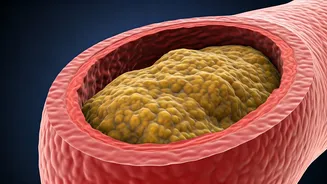
Both arterial and dental plaque are complex accumulations. In arteries, plaque is a buildup of fat, cholesterol, calcium, and other substances. This accumulation hardens
and narrows the arteries, a condition called atherosclerosis, which can lead to heart attacks and strokes. Similarly, dental plaque is a sticky film of bacteria that constantly forms on teeth. If not removed through brushing and flossing, it can harden into tartar, leading to gum disease and tooth decay. While different in composition, both plaques share an inflammatory component, where the body's immune system responds to these deposits, causing further damage. Essentially, they are both signs of chronic inflammation, and in both cases, their presence negatively impacts health, increasing the risk of diseases.
Shared Risk Factors
Several risk factors contribute to both arterial and dental plaque formation. Diet plays a significant role; a diet high in saturated fats, trans fats, and sugars fuels plaque buildup in the arteries and provides fuel for bacteria in the mouth. Smoking is another major risk factor; it damages blood vessels and weakens the immune system, increasing the risk for both types of plaque. Other factors include genetics, age, and chronic conditions like diabetes. Individuals with diabetes are more prone to plaque formation due to higher blood sugar levels, increasing the risk of cardiovascular disease and oral health issues. Essentially, the lifestyle choices and existing health conditions significantly influence the development of both types of plaque and the related health risks.
Oral Health and Heart
The mouth is often viewed as a gateway to the rest of the body, and the health of your mouth can significantly impact your heart health. Research has shown that gum disease, or periodontitis, which is caused by bacterial plaque, can increase the risk of cardiovascular diseases. The bacteria from infected gums can enter the bloodstream and travel to the heart, contributing to inflammation and potentially exacerbating atherosclerosis. This chronic inflammation in the body could lead to further complications, including heart attacks or strokes. Therefore, maintaining good oral hygiene becomes essential. Regular dental checkups, professional cleanings, and diligent brushing and flossing not only improve oral health, but may also contribute to better cardiovascular health. The connection underscores the importance of a holistic approach to health care, where oral and cardiovascular wellness go hand in hand.
Prevention Strategies
Preventing both arterial and dental plaque involves adopting a proactive approach to health. For cardiovascular health, this includes a heart-healthy diet low in saturated and trans fats, regular exercise, and avoiding smoking. Managing conditions like diabetes and hypertension also decreases the risk. Regular monitoring by healthcare providers is crucial. In terms of dental health, effective prevention involves brushing teeth twice daily with fluoride toothpaste, flossing daily to remove plaque from between teeth, and regular dental checkups and cleanings. Avoiding sugary drinks and snacks and limiting the consumption of processed foods, which promote plaque formation, is advisable. A combination of these preventative strategies can significantly reduce the formation of both types of plaque, thereby promoting overall health and well-being. By focusing on these practices, individuals can take significant steps towards preventing serious health complications.