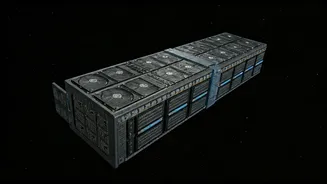








A New Paradigm
The vision of moving data centers into the vastness of space represents a significant shift in how we think about data storage and processing. This ambitious
undertaking, though still in its nascent stages, holds the potential to dramatically alter the landscape of computing. Proponents of this concept foresee a future where data centers, traditionally earthbound, are launched into orbit, transforming the way we manage, access, and utilize digital information. This involves not only the physical relocation of servers and associated infrastructure but also a comprehensive re-evaluation of current practices, technologies, and even economic models. Several entities and individuals, including prominent figures in the tech industry, are actively exploring this frontier.
Key Drivers Involved
Several prominent individuals and organizations are currently at the forefront of the movement to establish data centers in space. While specific details of their plans remain largely private, the general direction of their efforts is becoming clearer as space exploration and technological advancements continue. These players are motivated by various factors, including the potential for enhanced efficiency, improved security, and access to new markets. The initiative calls for a combination of expertise across multiple disciplines, from aerospace engineering and software development to data management and telecommunications. Their collective ambition involves overcoming challenges related to space travel, resource management, and the construction and maintenance of complex hardware in a hostile environment.
Overcoming the Challenges
Creating data centers in space is a difficult task with numerous challenges. One of the main challenges is the harsh environment of space, where radiation, extreme temperatures, and the lack of an atmosphere can cause significant damage to sensitive electronics. Another major issue is the cost and complexity of launching and maintaining infrastructure in orbit. Regular maintenance, hardware replacements, and the need for a stable power supply are all very challenging in space. The availability of resources is also a major concern, as water, air, and other resources need to be brought from Earth or extracted from asteroids or other celestial bodies. Further challenges include communication delays, as the time it takes to transmit data between Earth and space can be significant, potentially affecting real-time applications.
Future Implications
The shift toward space-based data centers could revolutionize data processing, storage, and accessibility, providing significant benefits for a wide range of industries and consumers. Enhanced security is one such advantage, as data stored in space could be less vulnerable to physical attacks and natural disasters. Space-based data centers could provide faster speeds, lower latency, and expanded capacity. This could lead to a dramatic improvement in user experience for applications that require fast data transfer. The initiative is also a great opportunity for scientific research, and could pave the way for a deeper understanding of the universe. Though many hurdles remain, the potential benefits make the exploration of space-based data centers a field of growing importance for the future.