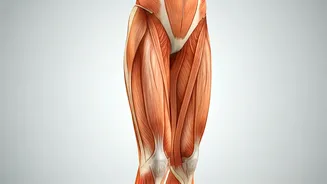








Leg Strength's Significance
The assertion that strong legs are indicative of a longer life isn't just a casual observation; it's a concept supported by medical understanding. Strong
legs function as a barometer for overall physical fitness and general well-being. They play a critical role in mobility and maintaining an active lifestyle, both of which are central to preventing numerous age-related health problems. Additionally, robust leg muscles contribute significantly to metabolic health, thereby assisting in the regulation of blood sugar levels and the prevention of cardiovascular diseases. Maintaining good leg strength can help to improve balance, minimizing the chance of falls, a significant hazard for older people, and safeguarding their quality of life. The AIIMS-trained gastroenterologist highlights these aspects, underlining how investing in leg health is, essentially, an investment in a longer and healthier life.
The Science Behind It
The link between leg strength and longevity is rooted in the physiological effects of leg muscles on the body. These powerful muscles serve as a large metabolic reserve, which is highly significant in managing systemic health. Larger and stronger leg muscles promote better glucose uptake, assisting in controlling blood sugar and reducing the risk of type 2 diabetes. Furthermore, the presence of strong leg muscles is frequently connected to a decline in inflammation throughout the body, as chronic inflammation is a key contributor to age-related illnesses. The AIIMS expert explains that leg strength also acts as a proxy for muscular health in general, which is vital for maintaining hormonal balance, bone density, and immune function. Therefore, working on and improving leg strength can have a wide-reaching impact on several bodily systems, improving general health and boosting lifespan.
Exercise & Activities
Enhancing leg strength does not need complex workout routines; a combination of various exercises and daily activities can produce substantial benefits. Basic exercises like squats, lunges, and calf raises are essential for developing leg strength. These exercises can be easily integrated into a workout routine at home or in a gym. Walking, jogging, and cycling are also great ways to build leg muscle and boost cardiovascular health. Consistency is more important than extreme intensity, therefore, aiming for regular exercise, perhaps several times per week, yields better outcomes. Additionally, incorporating resistance training with weights or resistance bands increases muscle mass and strength even more effectively. The AIIMS gastroenterologist advises starting gradually and gradually raising the intensity and duration of workouts as fitness improves, guaranteeing both safety and progress.
Diet and Lifestyle
Building and retaining leg strength goes beyond exercise, as a balanced diet and a healthy lifestyle are also essential. Sufficient protein consumption is vital for muscle repair and development. Diets high in lean proteins like chicken, fish, and legumes must be included to maximize muscle-building outcomes. Furthermore, eating a diet rich in vitamins, minerals, and antioxidants supports general health and muscle recovery. A good diet should emphasize whole, unprocessed foods like fruits, vegetables, and whole grains. Equally essential are getting enough sleep and reducing stress, which both impact muscle recovery and general health. The AIIMS expert emphasizes the importance of a comprehensive approach that blends exercise, diet, and stress management, enabling long-term health and the advantages associated with strong legs.
Long-Term Benefits
The advantages of having strong legs extend far beyond physical fitness, making a significant impact on long-term health. Robust leg muscles are directly connected to enhanced mobility, allowing for independent movement and minimizing the risk of falls, particularly as people age. Moreover, strong legs assist in preserving bone density, decreasing the risk of osteoporosis and associated fractures. Cardiovascular health is also improved through exercise, which decreases the risk of heart disease and stroke. The AIIMS gastroenterologist emphasizes that strong legs are linked to a better quality of life as people age, fostering both physical and mental well-being. Investing in leg health is, therefore, a strategic step towards a longer, more active, and rewarding life, as it provides a foundation for long-term health and wellness.