






Subtle Neck Alignment
Prolonged screen time often leads to a forward head posture, causing discomfort and strain. The 'chin tuck' exercise, recommended by fitness experts, is a subtle
yet powerful movement to counteract this. By gently drawing your chin towards your chest, you engage the deep neck flexor muscles, which are crucial for maintaining proper head alignment. Aim to hold this position for approximately 5 seconds, repeating the motion 10 to 15 times. This exercise is not about forceful movement but rather a precise engagement of stabilizing muscles, offering significant relief from neck tension and improving the natural curve of your cervical spine. It's a fundamental step in restoring balance to the head and neck, which often bears the brunt of sedentary work.
Unlocking Rounded Shoulders
Many desk workers experience rounded shoulders due to the constant forward-leaning posture. To combat this, the 'shoulder blade squeeze' is highly effective. While sitting or standing tall with arms relaxed, consciously bring your shoulder blades together, as if trying to hold a small object between them. Maintain this squeeze for about 5 seconds before releasing. Performing this exercise 10 to 15 times helps to activate the muscles of the upper back, counteracting the tendency for the shoulders to roll forward. This consistent effort encourages better scapular retraction, promoting a more open chest and reducing the strain associated with hunched shoulders. It’s a straightforward way to build strength and awareness in the muscles that support an upright posture.
Spinal Mobility Flow
To address general stiffness throughout the spine, the 'Cat-Cow stretch' offers a dynamic solution. Begin on your hands and knees, ensuring your wrists are aligned under your shoulders and your knees under your hips. As you inhale, drop your belly towards the floor, arch your back, and lift your gaze to the ceiling, embodying the 'Cow' pose. Then, as you exhale, round your spine upwards towards the ceiling, tuck your chin to your chest, and draw your navel towards your spine, transitioning into the 'Cat' pose. Flowing smoothly between these two poses for 5 to 10 breath cycles gently mobilizes the entire vertebral column. This movement enhances flexibility, improves blood circulation along the spine, and helps to release tension accumulated from static sitting.
Upper Back Expansion
Counteracting the effects of a slouched upper back can be achieved with a 'thoracic extension over a foam roller'. Lie on your back with a foam roller positioned horizontally beneath your upper back, around the shoulder blade area. Support your head with your hands to prevent strain. Gently lower your head and upper back over the roller, allowing your chest to open and expand. Hold this extended position for a few breaths before returning to the starting position. Repeating this 5 to 10 times can effectively improve thoracic mobility, releasing tightness in the upper back and promoting a more open chest posture. This exercise is particularly beneficial for those who feel a constant sense of constriction in their upper body due to desk work.
Core Strength Balance
A strong core is fundamental for maintaining good posture and preventing back pain. The 'Bird-Dog' exercise engages multiple muscle groups simultaneously, promoting stability and balance. Starting on your hands and knees, extend your right arm straight forward and your left leg straight back, ensuring your core remains tight and your back is flat. Hold this extended position briefly before returning to the start. Alternate sides, performing 10 to 12 repetitions on each. This exercise not only strengthens the abdominal and back muscles but also enhances proprioception, teaching your body to maintain a stable, elongated spine, which is crucial for countering the effects of prolonged sitting.
Full Body Stabilization
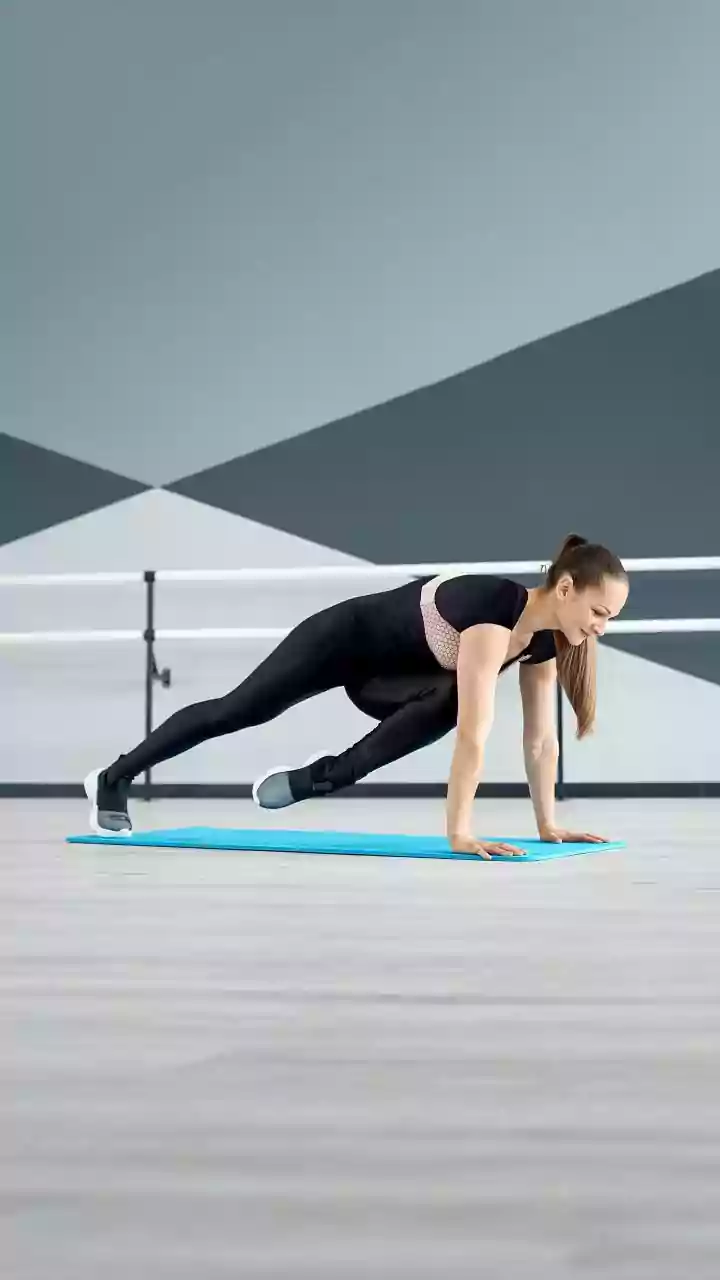
The 'Plank' exercise is a cornerstone for building overall core strength, essential for supporting an upright and healthy posture. Adopt a push-up position, but rest on your forearms instead of your hands, keeping your elbows directly beneath your shoulders. Ensure your body forms a straight line from your head to your heels, actively engaging your abdominal muscles to prevent your hips from sagging or lifting too high. Aim to hold this static position for 30 to 60 seconds, repeating for 2 to 3 sets. This exercise works multiple muscle groups, including the abdominals, back, glutes, and shoulders, providing a comprehensive foundation for spinal stability and improving endurance for maintaining good posture throughout the day.