







The Kitchen's Cognitive Edge
A substantial study emerging from Japan has illuminated a compelling connection between the simple act of cooking at home and a reduced incidence of dementia
among individuals aged 65 and over. The findings from the Japan Gerontological Evaluation Study, which monitored nearly 11,000 participants for six years, indicate that those who engaged in home cooking at least once a week experienced considerably less cognitive decline compared to their counterparts who cooked less often. The research revealed a significant risk reduction, with men showing a 23% lower chance and women a 27% lower chance of developing dementia. Remarkably, individuals who were just beginning to cook at home saw the most dramatic benefits, with a 67% lower risk. While this study highlights a strong association, it's crucial to note that it doesn't definitively establish cooking as a direct cause but rather points to its integral role in a potentially brain-protective lifestyle.
More Than Just Meals
The implications of home cooking for cognitive well-being extend far beyond the plate. As Yukako Tani, an associate professor involved in the study, explained, the 2020 Lancet Commission identified lifestyle factors, including diet, as crucial for preventing up to 40% of dementia cases. Cooking itself is a complex cognitive undertaking, demanding planning, ingredient selection, and recipe adherence, thereby providing continuous mental stimulation. This multifaceted activity integrates nutritional advantages, physical engagement, and cognitive exercise, making it a promising, though previously under-examined, element in mitigating dementia risk. This holistic approach underscores why the kitchen might be a powerful ally in maintaining brain health throughout later life.
Lifestyle Factors Matter
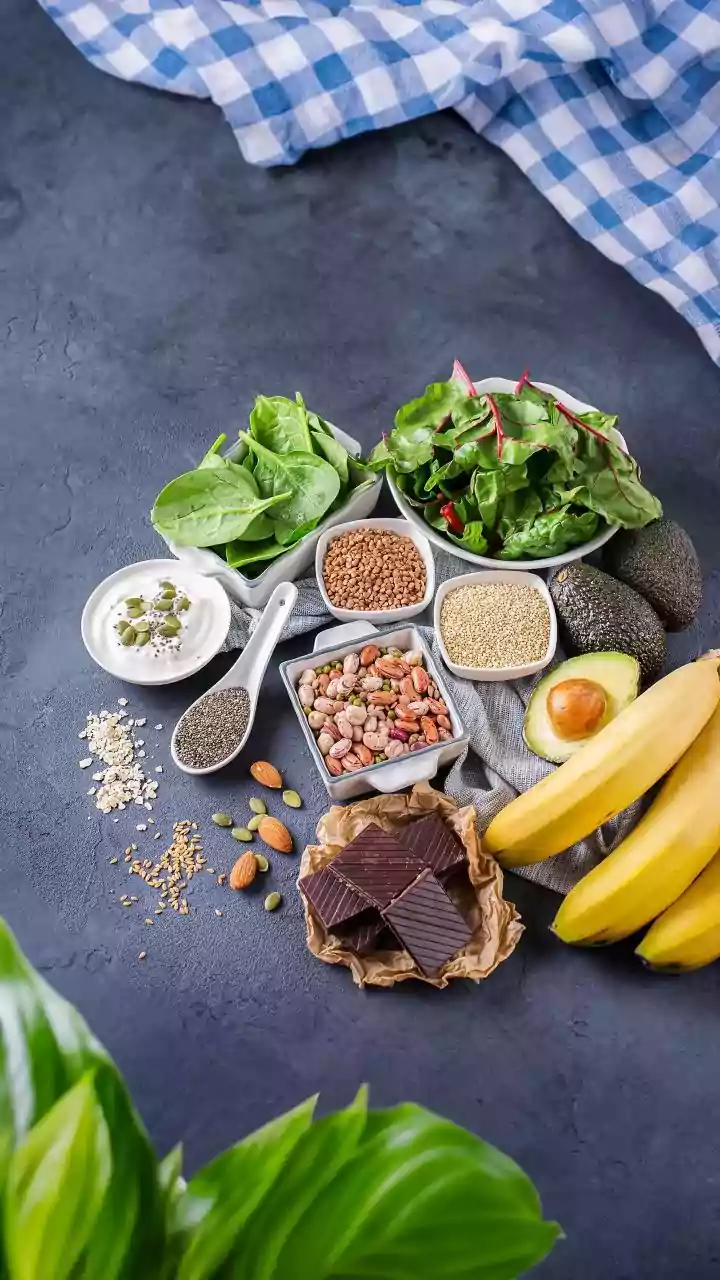
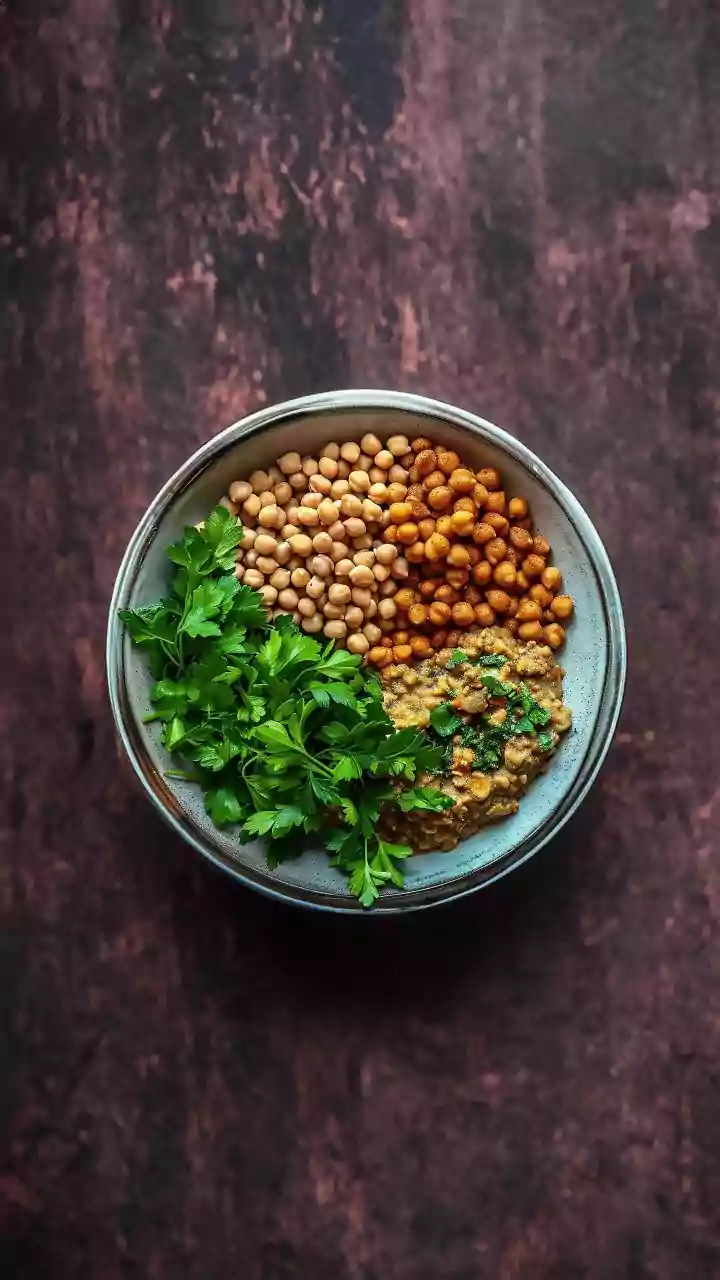
Dementia presents a growing challenge worldwide, particularly in societies with an aging population. Identifying lifestyle choices that individuals can actively modify is therefore paramount for promoting sustained cognitive health. Home cooking stands out as a modifiable habit that offers a blend of benefits. Neurologist Lynette Gogol emphasizes that cooking involves intricate cognitive processes like planning, sequencing, attention, memory, and decision-making. These mental workouts, combined with the inherent physical activity and the potential for healthier food choices compared to processed or takeout options, contribute to a comprehensive brain-boosting regimen. The focus on home-cooked meals, rich in whole grains, fruits, and vegetables, further supports research linking healthy eating to reduced cognitive decline, making the kitchen a central hub for proactive brain care.