






The Rise of Fake Injections
The surge in popularity of weight-loss injections, initially developed for diabetes but now widely used for managing weight, has unfortunately paved the
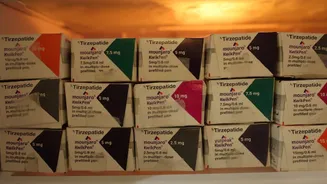
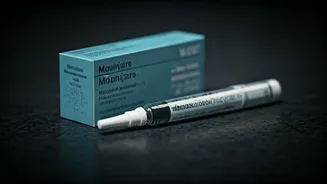
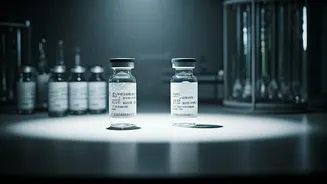
way for illicit operations. Drugs like Mounjaro have become highly sought after in urban India, leading to a concerning influx of counterfeit versions into the market. A stark example of this issue occurred recently when Indian drug regulators seized suspected fake Mounjaro pens valued at approximately Rs 7 million. This seizure, conducted on April 19, 2026, by the Haryana Food and Drug Control Administration, highlights the rapid spread and difficulty in detecting these imitation medicines. Investigations revealed that essential raw materials, such as peptides, were allegedly sourced from online platforms like Alibaba, with the finished injection pens being marketed and sold online in India at prices significantly lower than the genuine products, approximately 27 percent less. The packaging was also designed to mimic the authentic labels very closely. Adding to the concern, the seized pens were not maintained under the required refrigeration, a critical factor for the efficacy and safety of these medications. Samples are currently undergoing laboratory analysis, and those apprehended in connection with the operation are in judicial custody.
Health Risks of Counterfeits
The ramifications of using counterfeit injections can be severe and pose significant threats to individual health. These imitation drugs may contain inaccurate dosages, potentially leading to ineffective treatment or dangerous overdose. In some instances, they might entirely lack the active therapeutic compound, rendering them useless. Worse still, they could be contaminated with harmful substances or contain entirely different medications, such as insulin, instead of the intended active ingredient like tirzepatide. Furthermore, improper handling and storage, such as the lack of proper refrigeration noted in the recent seizure, can drastically degrade the medication's effectiveness and increase the risk of infections at the injection site. The potential health complications arising from counterfeit drugs range from adverse reactions due to incorrect or unsafe ingredients and the complete absence of the intended active compound to exacerbated medical issues stemming from poor storage conditions. Patient safety is paramount, and the manufacturers of genuine medications are actively collaborating with regulatory bodies to address this escalating problem.
Identifying Suspicious Products
While spotting counterfeit medications can be challenging, several key indicators can help consumers stay vigilant. A thorough examination of the packaging is crucial; look for any inconsistencies such as spelling errors, uneven or poor-quality printing, and discrepancies in fonts or colours. In the aforementioned case, subtle differences in labeling were what initially raised suspicion. It is imperative to purchase medications exclusively from licensed pharmacies or authorized sellers. Be wary of offers that seem too good to be true, as counterfeit products are often marketed at significantly reduced prices to attract unsuspecting buyers. Pay attention to storage conditions; medications requiring refrigeration must be handled appropriately, and any signs of damaged or improperly stored packaging should be considered a warning sign. Many legitimate medications feature batch numbers or QR codes for verification, so check for the presence and accuracy of this information. Any unusual variations in the physical appearance of the injection pen or the medication itself, such as changes in colour or texture, should not be overlooked. Always prioritize obtaining these injections from authorized hospitals, reputable pharmacies, or verified medical practitioners.
Safe Practices and Reporting
Prioritizing your health and safety when considering weight-loss treatments is essential. Before commencing any regimen, particularly those involving injections like Mounjaro, it is vital to consult with a qualified healthcare professional. They can provide personalized advice, ensure the treatment is appropriate for your individual health needs, and guide you on where to obtain genuine medication. Always ensure that your purchases are made from legitimate sources, such as authorized hospitals, licensed pharmacies, or trusted medical practitioners. If you encounter any product that raises suspicion or appears to be counterfeit, it is your responsibility to report it. You can do so by contacting your local drug control authorities or by directly informing the manufacturer of the original medication. Such reports are critical in helping authorities track down and dismantle networks involved in the distribution of fake drugs, thereby protecting other potential victims and maintaining the integrity of the pharmaceutical market.