






The Diet Stress Factor
High blood pressure can be a stubborn issue, as a 42-year-old professional discovered. Despite regular exercise and timely meals, his blood pressure remained
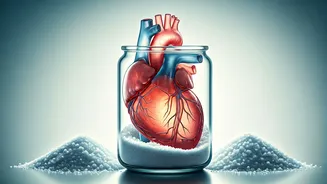
elevated. His daily intake, which included toast with butter for breakfast, canteen lunches, packaged snacks in the evening, and frequent takeaway dinners, was inadvertently contributing to his hypertension. The root cause wasn't a lack of effort but a consistent, unnoticed dietary stress. A blood pressure-lowering diet isn't about bland, boiled foods or complete salt deprivation; it's about eliminating the daily strain that processed and convenience foods place on the body. This stress often stems from excessive sodium, insufficient potassium, irregular meal patterns, and consuming foods prioritized for convenience over genuine nourishment. When dietary habits improve, blood pressure often follows suit, demonstrating the profound link between what we eat and our cardiovascular health.
Diet's Influence on BP
The intricate relationship between diet and blood pressure hinges on fluid balance, the elasticity of our blood vessels, and hormonal reactions, all of which are significantly impacted by our food choices. Consuming too much sodium, for instance, prompts the body to retain excess fluid. This increased volume in the bloodstream translates to higher pressure against the vessel walls. Over time, this persistent pressure can lead to arterial stiffening and place an increased burden on the heart, even during rest. Conversely, diets lacking in fruits, vegetables, and whole foods are often deficient in crucial nutrients like potassium, magnesium, and antioxidants. These vital elements play a key role in helping blood vessels relax and naturally regulate blood pressure. Without adequate intake, even individuals who are physically active can find themselves battling rising blood pressure, underscoring that while exercise is beneficial, diet lays the fundamental groundwork for cardiovascular well-being.
Crafting a BP-Friendly Diet
Establishing a diet conducive to lowering blood pressure begins with identifying and reducing problematic components rather than solely focusing on additions. The primary culprit is often hidden sodium, insidiously present in packaged snacks, baked goods, sauces, instant meals, and restaurant dishes – foods that typically contain far more salt than their home-cooked counterparts. The next crucial step involves prioritizing nutrient density. A blood pressure-conscious eating plan should feature vegetables at most meals, incorporate fruits daily, ensure adequate protein intake, and provide sufficient potassium to counterbalance sodium levels. Carbohydrates are not to be eliminated but rather selected with greater discernment; refined sugars and simple carbohydrates can exacerbate insulin resistance, a condition frequently coexisting with high blood pressure, and balanced meals help mitigate this cycle. Healthy fats, such as those found in nuts, seeds, oils, and dairy, are integral to vascular health when consumed in sensible portions.
Practical Mealtime Shifts
The initial intervention for managing blood pressure should prioritize dietary adjustments over immediate changes in medication. For the 42-year-old patient, no extreme measures were taken; instead, the focus was on restructuring his plate and eliminating processed items. Packaged snacks were removed, and canteen lunches were substituted with home-cooked meals three times a week. Daily servings of vegetables and added fruits became standard. Within a fortnight, his feelings of bloating and morning sluggishness noticeably improved. By the four-week mark, his blood pressure readings began to decline, settling around 130/80 mmHg. By the eighth week, his readings had stabilized closer to the normal range, simply by alleviating the daily overload on his system. Breakfasts that start with nutrient-rich options like eggs with vegetables, yogurt with fruit, or soaked nuts with fruit set a more supportive tone for the day, preventing rapid hunger and fatigue. Lunches can be straightforward, incorporating dal, vegetables, curd, and moderate portions of roti or rice, where the issue is often portion imbalance and vegetable scarcity rather than the type of food itself. Snacking is a prime area for sodium infiltration; replacing namkeen, biscuits, and bakery items with fruits, roasted chana, yogurt, or homemade alternatives makes a tangible difference. Dinners benefit from being lighter, consumed earlier, and less processed, focusing on intentionality rather than strict restriction.
Sustaining Dietary Changes
The challenge in maintaining dietary changes often lies in the approach people take. Many attempt drastic eliminations, completely cutting out salt or consuming foods they genuinely dislike, which inevitably leads to a rebound effect. Others focus narrowly on salt, neglecting the impact of sugar, sleep quality, and stress. A common pitfall is undereating; severe calorie restriction can elevate stress hormones, paradoxically raising blood pressure instead of lowering it. A diet designed to reduce blood pressure is most effective when complemented by adequate sleep, regular physical activity, and robust stress management strategies. While food possesses significant power, its effectiveness is maximized when it functions within a holistic framework of well-being, rather than in isolation.