


Initial Metabolic Adjustments
When you choose to significantly limit the consumption of ghee and oil, the body begins a phase of adjustment. Primarily, your metabolism will start to adapt
because fats from these sources are a significant energy provider. With diminished fat intake, the body might start drawing more energy from the stored fat reserves, which in turn might aid in weight management. Additionally, the body may begin to use carbohydrates and proteins more efficiently for fuel. These initial metabolic alterations set the foundation for subsequent physiological adjustments. This early stage could involve a transition period as your system learns to operate on a different fuel supply, influencing your energy levels and overall sense of well-being.
Cholesterol and Cardiovascular Health
A noticeable impact of reducing ghee and oil is seen on cholesterol levels. Ghee and some oils are rich in saturated fats, and their reduced intake can potentially lower the levels of LDL cholesterol, often called 'bad' cholesterol. Lower LDL cholesterol levels are generally correlated with reduced risk of cardiovascular diseases. However, the effect will depend on the types of fats you are consuming and the presence of other lifestyle aspects. Simultaneously, it’s worth observing whether the decrease in saturated fats positively affects your HDL cholesterol, or 'good' cholesterol. Regular monitoring and consulting with a healthcare professional can give more personalized insights into your heart health.
Changes in Digestion and Absorption
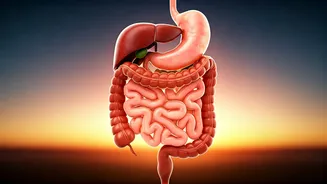
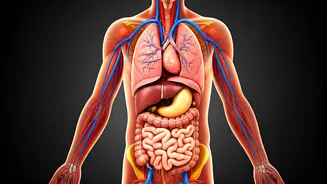
The presence or absence of ghee and oil significantly affects the digestive process. Fats play a crucial role in aiding the absorption of fat-soluble vitamins such as vitamins A, D, E, and K. Reducing these fats might therefore impact your ability to absorb these essential nutrients efficiently. Additionally, fats help slow down digestion, providing a sustained feeling of fullness. Therefore, a reduced intake could lead to quicker digestion and a possibility of increased hunger. Moreover, the body's digestive system adapts to the types of fats being consumed. Therefore, it is important to observe your bowel movements and consult a health expert if you feel like something is off.
Skin and Hair Condition
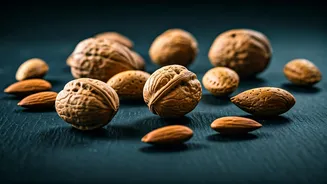
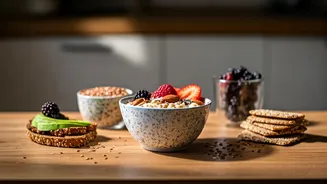
Ghee and oils contribute to the health of skin and hair by providing essential fatty acids. When you cut back on these, you might observe certain changes. Fatty acids help maintain skin hydration and contribute to a healthy, lustrous appearance for hair. Limiting fat intake could potentially lead to drier skin or changes in hair texture. However, the extent of these changes will vary based on individual dietary habits and genetics. Including other healthy fats, like those found in nuts and seeds, could provide some advantages. Consistently monitoring your skin and hair will allow you to determine if any modifications are needed to your diet to make sure your skin and hair stay healthy.
Energy Levels and Endurance
Since fats are a primary fuel source for the body, their reduction can affect energy levels. When transitioning to a diet low in ghee and oil, you may initially experience fatigue or a decrease in stamina. The body is adjusting to accessing energy from different sources. This adjustment period varies from person to person. Over time, the body can adapt by increasing efficiency in the usage of other energy sources like carbohydrates. Including other energy-dense nutrients through a well-balanced diet can help stabilize energy levels. You might find that consistent exercise and proper hydration support your body’s adaptation and maintain your activity levels.
Potential Nutritional Considerations
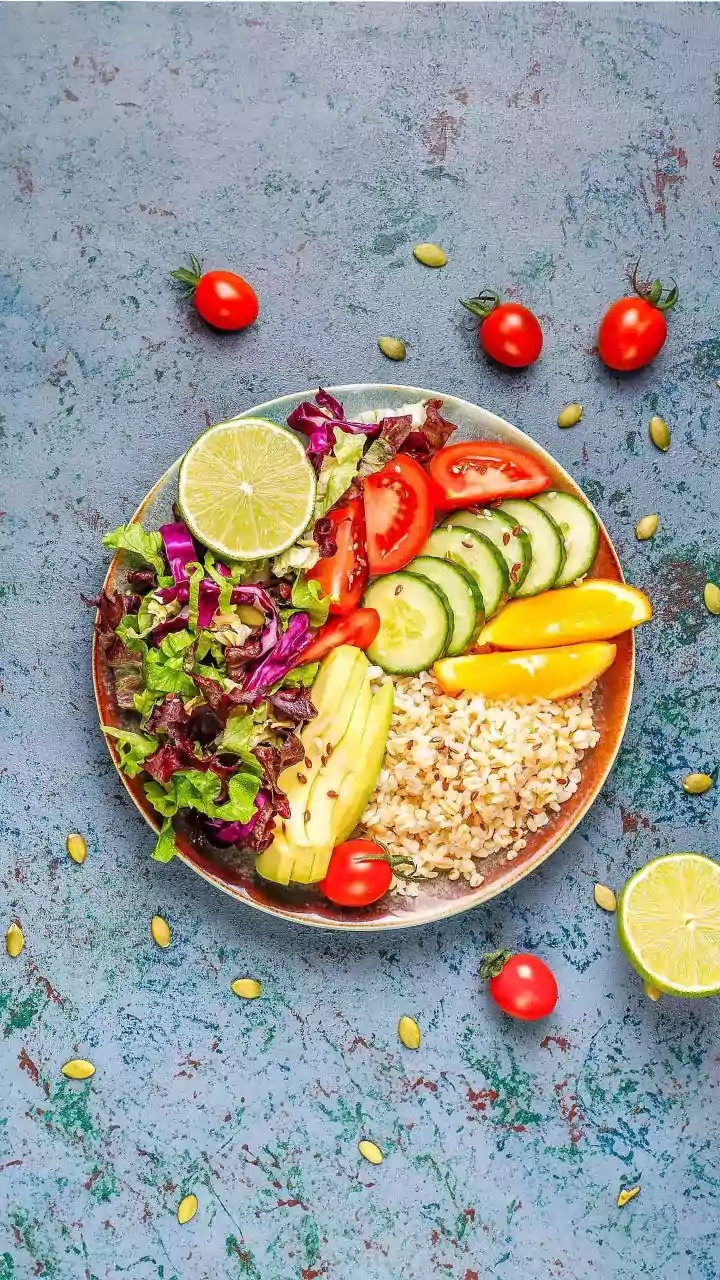
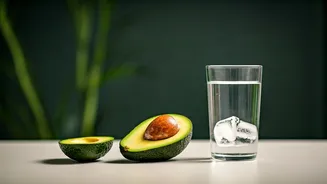
When you reduce ghee and oil, it’s essential to evaluate whether you’re getting all the necessary nutrients. While cutting down on saturated fats can benefit heart health, it is essential to ensure you are receiving enough of other vital nutrients. Paying attention to your intake of fat-soluble vitamins (A, D, E, and K) is important. Also, you must carefully monitor your intake of essential fatty acids, such as omega-3 and omega-6, which are crucial for brain health and overall function. If you are worried about nutrient deficiencies, consider incorporating other sources of healthy fats, such as avocados, nuts, and seeds. Consulting a nutritionist can help you plan a balanced diet tailored to your specific needs.