
Essentials to Consider
Selecting a winter jacket goes beyond just choosing a color or style. The primary function of a winter jacket is, without question, to provide warmth.
Different types of insulation, such as down and synthetic materials, offer varying levels of heat retention and performance in different weather conditions. Down insulation is known for its superior warmth-to-weight ratio, making it an excellent choice for extremely cold temperatures. However, it loses its insulating properties when wet. Synthetic insulation, on the other hand, performs better in damp conditions and dries quickly. Waterproof and windproof qualities are important factors as well. These features are often provided by the outer shell, which also protects against rain, snow, and wind. The breathability of the outer shell is also vital to prevent overheating and moisture buildup inside the jacket. Features like a hood, pockets, and adjustable cuffs enhance both practicality and comfort. When choosing a jacket, consider how you intend to use it, the climate you'll be in, and your personal style preferences.
Styles: Find Yours
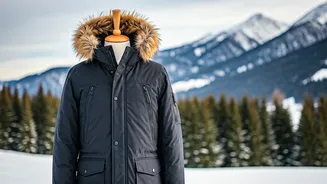
Winter jackets come in a wide range of styles, from practical parkas to fashionable puffers. Parkas, known for their long length and ample insulation, are well-suited for harsh winter conditions. They often feature a fur-lined hood for added warmth and protection. Puffer jackets, characterized by their quilted design and down or synthetic insulation, are a stylish and effective choice for cold weather. They offer excellent warmth and are lightweight. Trench coats, while not always considered a traditional winter jacket, can be adapted for winter wear by choosing options with a wool or insulated lining. They provide a sleek and elegant look. Bomber jackets offer a sporty and casual option. They often have a shorter length and are typically insulated with synthetic materials. The right style depends on individual needs and fashion sense. Consider your lifestyle and the type of activities you'll be engaging in while wearing the jacket when making your choice.
Insulation Types Explained
The insulation of a winter jacket is what keeps you warm, and there are two main types: down and synthetic. Down insulation, typically made from duck or goose feathers, provides an unmatched warmth-to-weight ratio. It's incredibly light and compresses easily, making it great for travel. The 'fill power' is used to measure the quality of down, with higher numbers indicating better insulation. However, down loses its insulation properties when it gets wet, making it less ideal for wet climates. Synthetic insulation, on the other hand, is designed to mimic the qualities of down. It's usually made from polyester fibers that trap air and provide warmth. It performs better when wet and dries quicker than down. Synthetic insulation is also generally more affordable than down. The choice between down and synthetic depends on the climate and intended use. Consider factors like weather conditions, activity level, and budget when making your decision.
Waterproof vs. Water-Resistant
Understanding the difference between waterproof and water-resistant materials is crucial for selecting a winter jacket that will effectively protect you from the elements. A waterproof jacket is designed to completely prevent water penetration. These jackets often have a waterproof membrane that acts as a barrier to keep moisture out, along with sealed seams and waterproof zippers. They are ideal for heavy rain and snow conditions. Water-resistant jackets, on the other hand, offer some protection against light rain and snow, but they are not designed to withstand prolonged exposure to moisture. They typically have a water-repellent coating on the outer fabric that causes water to bead up and roll off. While water-resistant jackets are suitable for drier conditions or light precipitation, they may not offer adequate protection in heavy rain. Before purchasing a jacket, consider the typical weather conditions you'll encounter and choose the level of water protection that best suits your needs.
Finding the Right Fit
Proper fit is crucial for both comfort and performance when selecting a winter jacket. The jacket should allow for layering without feeling restrictive. You should be able to move your arms freely and have enough room to wear sweaters or other warm clothing underneath. Consider the length of the jacket. Longer jackets, like parkas, offer more coverage and warmth, but may restrict movement. Shorter jackets provide greater mobility. Check the shoulder seams to ensure they align with your shoulders. If the seams extend past your shoulders, the jacket is too large. The sleeve length should reach the base of your thumbs when your arms are relaxed. If the sleeves are too short, they will expose your wrists to the cold, while sleeves that are too long can interfere with your movement. Waist and hip measurements are equally important for a comfortable and flattering fit. Always refer to a size chart and try on the jacket, if possible, before making your final selection.
Caring for Your Jacket
Taking proper care of your winter jacket is essential for extending its lifespan and maintaining its performance. Always follow the care instructions on the label. Different materials require different cleaning methods. Down jackets often need specialized care, such as washing with a down-specific detergent. Synthetic jackets are generally easier to care for and can often be machine washed. To wash a jacket, close all zippers and empty all pockets. Use a gentle cycle and cold water, and avoid using fabric softeners, as they can damage the jacket's water-repellent properties. After washing, tumble dry the jacket on a low setting or hang it to dry. If the jacket has a waterproof membrane, avoid ironing it, as this can damage the material. For spot cleaning, use a damp cloth and mild soap. Proper storage is also important. Store your jacket in a cool, dry place when it's not in use. Avoid compressing the jacket, especially if it's down-filled, as this can damage the insulation.