






Decoding the 12-3-30
The 12-3-30 method is a straightforward treadmill workout that has surged in popularity for its accessibility and perceived effectiveness in weight management.
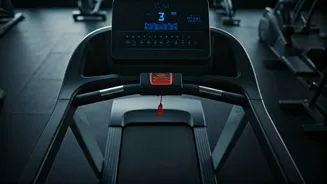
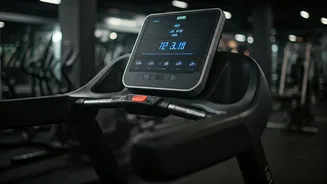
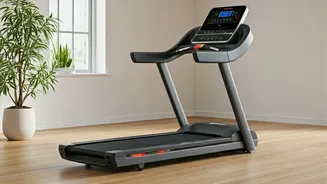
Its name precisely dictates the workout's structure: setting the treadmill incline to a challenging 12 percent, maintaining a steady walking pace of 3 miles per hour, and continuing this for a duration of 30 minutes. This specific configuration was popularized on social media platforms, offering a clear, actionable plan for individuals seeking a structured cardio routine. While incline walking itself isn't a novel concept, the fixed parameters of the 12-3-30 provide a sense of predictability and ease of adherence. This simplicity removes the cognitive load of designing a workout, making it more likely for people to consistently engage with the routine and reap its benefits over time. The appeal lies in its low-impact nature, making it a viable option for those who find running too strenuous or jarring on their joints.
Physiological Impact Explained
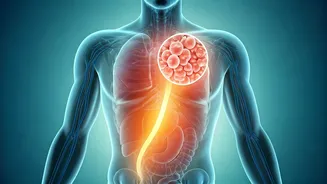
When you increase the incline on a treadmill, your body's engagement shifts significantly compared to walking on a flat surface. Instead of primarily engaging the lower leg muscles, the steeper gradient forces greater activation of the glutes, hamstrings, and calves. This intensified muscular effort naturally leads to a higher heart rate and an increased demand for oxygen, effectively elevating your cardiovascular workout's intensity. Research indicates that walking on an incline substantially boosts energy expenditure, meaning you burn more calories. This is because your body has to work harder against gravity to propel itself forward. Adhering to recommended physical activity guidelines, which suggest at least 150 minutes of moderate-intensity aerobic exercise weekly, a 30-minute incline walk performed five times a week perfectly aligns with these recommendations, contributing positively to overall health and fitness goals.
Calorie Burn and Fat Loss
The fundamental principle driving fat loss is achieving a consistent calorie deficit, meaning you expend more energy than you consume. Exercise, including the 12-3-30 routine, is a powerful tool for contributing to this deficit. While walking on an incline burns more calories than its flat-surface counterpart, it's crucial to understand that exercise alone is not a magic bullet for weight loss. Studies suggest that combining aerobic activities with dietary modifications leads to more significant and sustainable fat loss than either approach in isolation. For an individual weighing approximately 70 kg, a 30-minute session of vigorous uphill walking on a properly calibrated treadmill can contribute to burning between 200 to 300 calories. This caloric expenditure, when consistently maintained alongside a controlled daily intake and managed stress and sleep, becomes a supportive element in a broader fat loss strategy, rather than the sole driver.
Ideal Candidates and Modifications
The 12-3-30 walking routine is particularly well-suited for individuals who favor low-impact exercise, experience knee discomfort when running, are new to structured cardio, or simply prefer a predictable and repeatable workout plan. By eschewing jumping and sprinting, it significantly reduces the stress placed on joints compared to high-intensity interval training methods. However, beginners might find the specified 12 percent incline initially too challenging. The key is to ensure the workout is sustainable and progressive, not overwhelming. Adjusting the incline to a level that allows for a challenging yet manageable effort is advisable. The goal is to build consistency and endurance safely, avoiding overexertion that could lead to injury or burnout. As fitness improves, gradually increasing the incline or duration can further enhance the benefits.
Beyond Cardio: Strength and Adaptation
It's important to recognize that the 12-3-30 method, while effective for cardiovascular health and lower body toning, does not constitute a complete full-body strength training program. Its primary focus is on the lower body and the aerobic system, and it doesn't significantly target upper-body muscles. Therefore, it cannot replace resistance training, which is vital for building and maintaining muscle mass. Muscle plays a critical role in boosting metabolism and long-term health. Furthermore, the body is remarkably adaptable. If the 12-3-30 routine is performed without any progression, the calorie burn may eventually plateau as your body becomes more efficient. This doesn't signify the routine's failure but rather highlights the need for evolution. To continue seeing results, consider gradually increasing intensity, duration, or incorporating varied exercises over time.
Integrating for Lifestyle Change
The true power of the 12-3-30 walking routine emerges when it becomes an integral part of a more comprehensive lifestyle transformation, rather than an isolated activity. Its effectiveness is amplified when combined with mindful eating habits that prioritize whole foods and adequate protein intake, aiming for an average of 7 to 8 hours of quality sleep per night, and incorporating strength training to preserve and build muscle mass. Fitness is rarely about extreme, unsustainable efforts; it's about consistent, repeated actions. As the ancient philosopher Aristotle wisely noted, 'We are what we repeatedly do.' Building results stems from this repetition and consistency, often proving more impactful than sporadic bursts of high intensity. The 12-3-30 method, with its reliability and accessibility, offers a dependable foundation for sustainable fitness progress.