






The Charm of Kadhi Kachori
Rajasthani cuisine is renowned for its robust flavors and deep-seated traditions, and the classic combination of Kadhi and Kachori stands as a prime example.
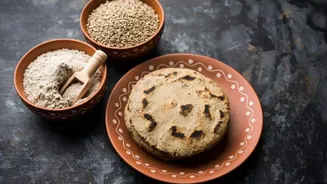
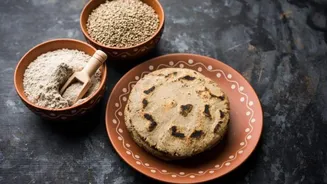
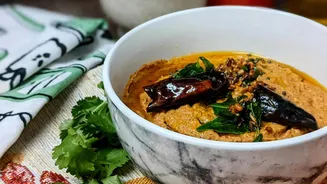
Kadhi, a delightful curry, is crafted from yogurt and gram flour, infused with aromatic spices to create a tangy, creamy base. Complementing this is the kachori, a delightful pastry that's fried to a perfect crisp, encasing a savory filling of spiced lentils. When brought together, they offer a symphony of sensations: the smooth richness of the kadhi against the satisfying crunch of the kachori, all enhanced by a delightful interplay of tangy and spicy notes. This culinary duo isn't just confined to Rajasthan; its bold taste and comforting nature have earned it a cherished place in the hearts of food lovers across India. Its appeal lies in its versatility, suitable for any meal of the day, and its ability to provide a truly fulfilling experience that resonates with the soul of Indian culinary heritage.
Reasons for Popularity
The enduring popularity of the Kadhi Kachori combination stems from a delightful synergy of elements that cater to diverse palates and occasions. Primarily, the exquisite contrast between the cool, tangy Kadhi and the hot, spicy, and crispy Kachori creates a balanced and deeply satisfying eating experience that's hard to resist. Beyond the taste, this dish is inherently comforting and filling, making it an ideal choice for a hearty breakfast, a fulfilling snack, or even a complete meal, adaptable to any time of day. Its significant cultural resonance also plays a crucial role; it's a dish often featured during festive celebrations, symbolizing tradition and togetherness. The 'desi' flavors are bold, memorable, and evoke a sense of nostalgia and home for many. This combination perfectly embodies the spirit of Indian cuisine, offering a memorable and deeply satisfying gastronomic journey.
Crafting the Kadhi
To prepare the tangy Kadhi, you will need one cup of yogurt, two tablespoons of gram flour (besan), and seasonings including salt to taste. For the aromatic base, gather one teaspoon each of ginger paste and green chilli paste, along with one teaspoon of cumin seeds, half a teaspoon of mustard seeds, and half a teaspoon of turmeric powder. A single teaspoon of oil is needed for tempering. The liquid component comes from two cups of water. Begin by thoroughly whisking together the yogurt and gram flour in a bowl until the mixture is completely smooth, ensuring no lumps remain. In a separate pan, heat the teaspoon of oil over a medium flame. Once the oil is hot, add the mustard seeds and cumin seeds, letting them splutter. Carefully pour the yogurt-gram flour mixture into the pan. Stir in the turmeric powder, ginger paste, and green chilli paste. Continue to cook this mixture over low heat, stirring frequently, until it thickens to a creamy consistency and achieves a rich, yellowish hue. Season with salt to your preference. The slow cooking process is essential for developing the creamy texture and balanced tanginess characteristic of authentic Kadhi.
Making the Kachori Filling
The delightful filling for your Kachoris begins with half a cup of urad dal. Start by dry roasting the urad dal in a pan until it achieves a light golden-brown color; this process enhances its nutty flavor and texture. Once roasted, allow the dal to cool slightly before grinding it into a coarse powder – avoid making it too fine. In a bowl, combine this coarsely ground urad dal with half a teaspoon of cumin seeds and half a teaspoon of fennel seeds for added aroma. Incorporate one teaspoon of chilli powder to impart a gentle heat, and season generously with salt to taste. Mix all these ingredients thoroughly to create a well-spiced, crumbly filling ready to be enclosed within the pastry. The coarse texture of the ground dal is key to providing a satisfying bite within the crisp kachori shell, ensuring a delightful contrast with the smooth kadhi.
Assembling and Frying
To prepare the dough for your Kachoris, combine one cup of all-purpose flour with two tablespoons of ghee and salt to taste in a mixing bowl. Gradually add water while kneading until you achieve a soft, pliable dough. Cover the dough and let it rest for a minimum of 30 minutes; this resting period allows the gluten to relax, making the dough easier to handle. Once rested, divide the dough into small, equal-sized portions, shaping each into a smooth ball. Take one dough ball, flatten it into a small disc, and place a generous spoonful of the prepared urad dal filling in the center. Carefully gather the edges of the dough upwards to seal the filling completely, ensuring no gaps remain. Gently shape the sealed dough into a smooth, round disc, pressing it slightly. Heat oil in a deep pan over medium heat for frying. Carefully place the shaped Kachoris into the hot oil, ensuring not to overcrowd the pan. Fry them until they turn a beautiful golden brown and achieve a satisfying crispness. Once fried to perfection, remove them from the oil and place them on paper towels to absorb any excess oil, preserving their delightful crunch.
Serving Your Creation
The grand finale of your culinary creation involves bringing together the crisp, golden Kachoris and the tangy, creamy Kadhi. Arrange the freshly fried, hot Kachoris on serving plates. You can either generously pour the warm Kadhi over the Kachoris, allowing it to seep into their crisp layers, or serve the Kadhi in a separate bowl on the side, enabling each person to customize their ratio. For an extra touch of freshness and visual appeal, garnish the dish with finely chopped fresh coriander leaves just before serving. This garnish adds a vibrant green color and a burst of herbaceous flavor that complements the rich and tangy notes of the dish. Serve immediately to enjoy the textural contrast at its best – the satisfying crunch of the Kachori giving way to the flavorful filling, all enveloped by the warm, tangy embrace of the Kadhi. This traditional Rajasthani Kadhi Kachori promises a truly authentic and deeply satisfying Indian culinary experience.