



Soil Quality Essentials
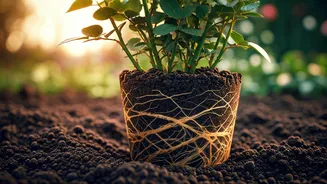
The foundation of any successful garden lies in its soil. High-quality soil is not just dirt; it's a living ecosystem teeming with beneficial microorganisms.
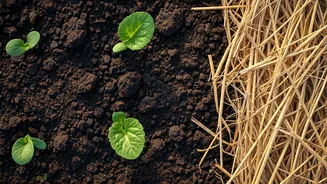
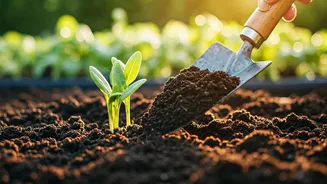
One key indicator of excellent soil is its texture; it should feel crumbly and moist, not compacted or overly sandy. When you squeeze a handful, it should hold its shape loosely but crumble easily when poked. Another vital sign is the presence of earthworms, which are nature's aeration and fertilization system. Healthy soil also exhibits a rich, dark color, often a sign of abundant organic matter, and it drains well, preventing waterlogged roots. A pleasant, earthy aroma further suggests a thriving microbial community. Recognizing these characteristics will help you identify or amend your soil for optimal plant growth, ensuring your plants receive the nutrients and support they need to flourish throughout the growing season.
Mastering Seed Starting
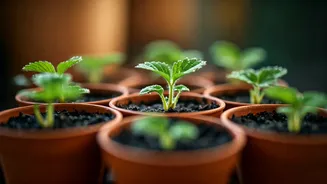
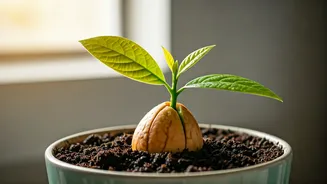
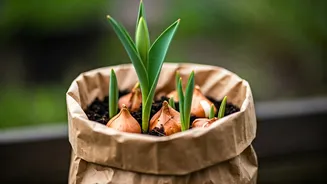
Starting seeds indoors offers a significant advantage, allowing you to get a head start on the growing season and cultivate delicate varieties that require a longer maturation period. For instance, many gardeners utilize repurposed materials like toilet paper tubes to create biodegradable seed-starting pots, a cost-effective and eco-friendly method. Certain seeds, like strawberries, benefit greatly from a process called cold stratification, where they are exposed to a period of cold, moist conditions before planting to improve their germination rates. Furthermore, specific vegetables, such as tomatoes and peppers, are often best started indoors in February to ensure they are robust enough for transplanting once the risk of frost has passed. Planning this indoor nursery requires attention to detail, including providing adequate light, consistent moisture, and appropriate temperatures to foster healthy seedling development before their move to the garden.
Strategic Planting Timing
Making informed decisions about when to plant is critical for maximizing your harvest and avoiding common gardening blunders. For instance, it's crucial to understand that planting certain shrubs too early, before the last frost has definitively passed, can severely damage or even kill them. Similarly, the timing for winter sowing, a method where seeds are sown outdoors in containers during the cold months, depends on specific climate indicators and seed types. Even for established plants like hibiscus, understanding the optimal pruning times, often in late winter or early spring, is key to encouraging prolific blooming. For those venturing into vegetable gardening for the first time, learning which 10 vegetables are ideal to start indoors in February provides a practical roadmap for an early spring yield. Patience and awareness of your local climate are paramount to success.
Smart Gardening Practices
Adopting intelligent gardening strategies can significantly enhance your garden's productivity and health while minimizing effort. Experts suggest seven key moves that pay dividends throughout spring, such as preparing your soil properly and choosing the right plants for your environment. It’s also important to be aware of common mistakes, like improper pruning in February, which can hinder growth or damage plants. Many time-honored gardening practices are being re-evaluated; some, which may have been common knowledge, are now considered outdated and less effective. Additionally, homeowners are increasingly seeking 'it' plants, particularly those celebrated for their low-maintenance appeal, allowing for beautiful yards with less upkeep. Staying informed about these evolving practices and plant trends ensures a more sustainable and rewarding gardening experience.
Natural Weed Control
Dealing with invasive plants is a perennial challenge for gardeners, but effective and environmentally conscious solutions exist. Rather than resorting to harsh chemicals, there are several natural methods for eradicating unwanted species without harming your desired plants or the surrounding ecosystem. Employing techniques such as mulching heavily around desirable plants can suppress weed growth by blocking sunlight and conserving moisture. Hand-pulling weeds when they are young and the soil is moist is another highly effective, albeit labor-intensive, strategy. For persistent invasives, a carefully applied organic herbicide, or even a homemade solution like vinegar or boiling water applied directly to the weed, can be beneficial, provided caution is taken to protect nearby vegetation. Understanding the life cycle of invasive plants allows for more targeted and successful removal efforts.