



Fresh Beans, Whole Advantage
The single most significant improvement you can make to your home coffee is to prioritize freshness and buy whole beans. Coffee begins to lose its vibrant
aroma and flavor compounds within weeks of roasting. The carbon dioxide responsible for the bloom, a visual cue of freshness, dissipates over time, taking essential taste elements with it. Pre-ground coffee, often sitting on supermarket shelves for extended periods, has a vastly increased surface area that accelerates oxidation and staleness. Opting for whole beans and grinding them just before brewing ensures that the complex flavors remain locked in until they reach your cup. When purchasing, look for roasters who clearly indicate the roast date on the packaging, rather than just an expiry date. Many specialty coffee providers now offer direct online sales, roasting beans to order, ensuring you receive them at their peak. A smaller bag of freshly roasted whole beans will invariably yield a superior taste experience compared to a larger bag of pre-ground coffee that has been exposed to air.
Grind Right, Brew Bright
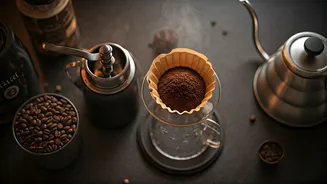
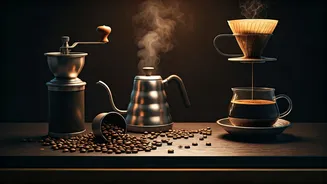
Once you have secured high-quality whole beans, the next crucial step is grinding them yourself, and critically, matching the grind size to your chosen brewing method. Investing in a basic hand grinder, which typically ranges from ₹700 to ₹2,000, is a worthwhile expenditure. The size of the coffee grounds directly influences how quickly water can extract flavor. Incorrect grind size leads to either over-extraction, resulting in a bitter and harsh cup, or under-extraction, producing a sour and weak beverage, irrespective of the bean quality. As a general guideline, coarser grinds are suitable for brewing methods where the coffee grounds steep with water for an extended period, such as a French press or cold brew. Medium grinds are appropriate for pour-over and drip coffee makers, while finer grinds are best for a moka pot. If your coffee consistently tastes bitter, try a coarser grind; if it's sour or thin, opt for a finer grind. Adjusting grind size is your most potent tool for flavor control and costs absolutely nothing to experiment with.
Optimal Water Temperature
Using water at its boiling point (100°C) can actually harm your coffee, scorching the grounds and extracting undesirable bitter compounds. The sweet spot for brewing coffee lies between 90°C and 96°C. Achieving this ideal temperature is surprisingly simple: boil your water and then let it rest for approximately 30 to 45 seconds before pouring. This brief waiting period allows the temperature to drop to the optimal range without the need for a thermometer. This small adjustment is vital for unlocking the coffee's inherent sweetness and aromatic qualities, leading to a smoother, more balanced flavor profile. While this principle is well-known in tea preparation, its significant impact on coffee extraction is often overlooked. It's a minor change that consistently yields a noticeably superior cup.
Pour-Over or French Press
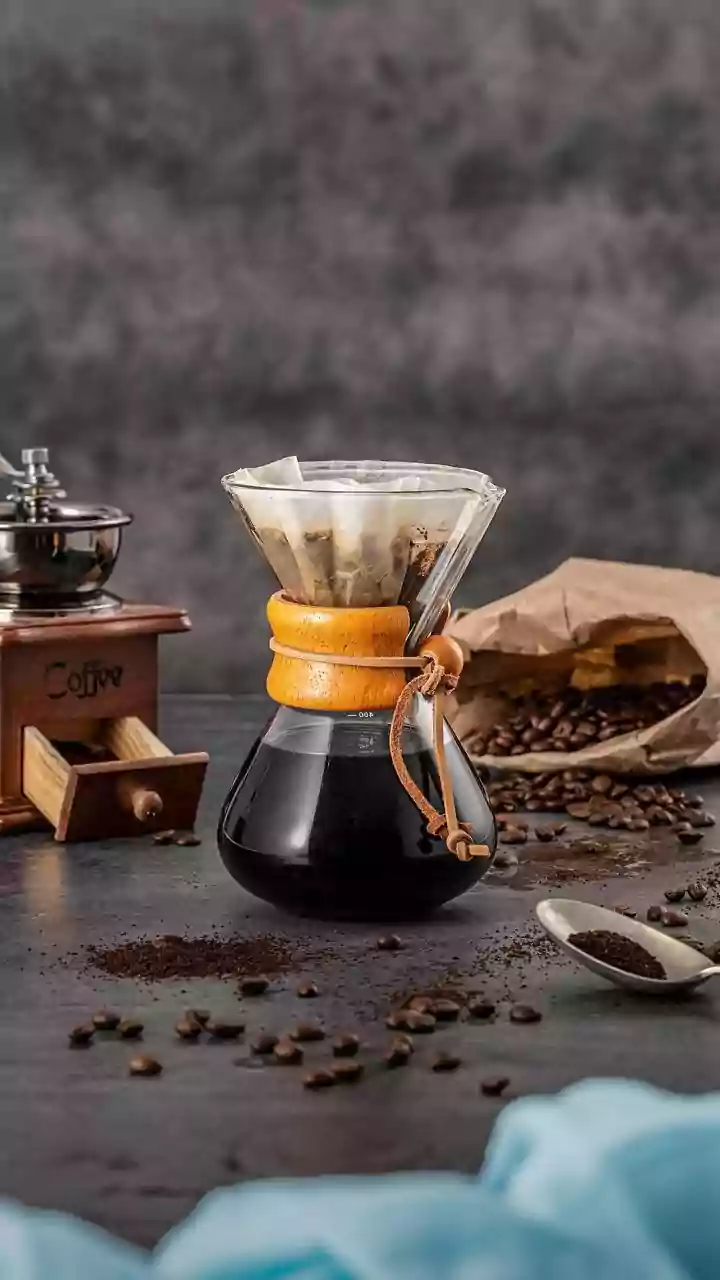
The pursuit of exceptional home-brewed coffee doesn't necessitate an espresso machine. Two outstanding methods that require no electricity or complex machinery are the pour-over and the French press. A pour-over setup, typically involving a cone filter placed over a mug or carafe, produces a clean, bright, and aromatic coffee with remarkable clarity. The process involves placing ground coffee in the filter, pre-wetting it with a small amount of hot water to initiate the bloom (releasing CO2), waiting for 30 seconds, and then slowly pouring the remaining water in a spiraling motion. This takes about three minutes and can result in a cup that rivals offerings from many cafes. The French press is even more straightforward: add coarsely ground coffee to the beaker, pour in hot water, let it steep for four minutes, gently press the plunger, and serve. This method yields a fuller-bodied and richer coffee, as the metal filter allows more of the coffee's natural oils to pass through, unlike paper filters. For those accustomed to the robust character of traditional Indian filter coffee or decoctions, the French press often feels very familiar and satisfying.
Precise Measurement Matters
Achieving cafe-level consistency in your home brewing hinges on accurate measurement, at least until your palate is finely tuned. This discipline is fundamental to professional baristas and is the quickest route to reliably good coffee. The generally accepted ratio for most brewing methods is between 1:15 and 1:17, meaning for every gram of coffee, you should use 15 to 17 milliliters of water. For instance, a standard 250 ml cup would typically require about 15 to 17 grams of coffee. A kitchen scale, readily available for ₹300 to ₹500, eliminates all guesswork. Using too much coffee can result in an overpowering and sometimes astringent taste, while too little coffee leads to a weak, watery beverage. Once you discover your preferred ratio, you might eventually be able to eyeball it, but consistently measuring for a couple of weeks will significantly refine your instincts and put an end to the daily variation in your coffee's flavor.
Smart Coffee Storage
To maintain the integrity of your coffee, it's crucial to protect it from its primary adversaries: air, moisture, heat, and light. While the original packaging may suffice for short-term storage if properly sealed, once opened, transfer your beans to a small, airtight container. Store this container at room temperature, away from direct heat sources like your stove and out of sunlight. It's generally advisable to avoid refrigerating or freezing coffee unless storing a very large quantity for an extended period; the temperature fluctuations can cause condensation, which degrades the beans. An affordable ceramic or stainless steel canister with a secure lid is an excellent investment for keeping your coffee fresh for several weeks. Purchasing smaller quantities more frequently ensures you're always brewing with optimally fresh beans, making a 250g bag consumed within three weeks far superior to a 500g bag lasting two months.