





Joint Statement as Basis
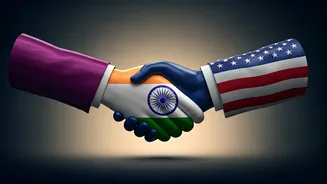
India has affirmed that the joint statement issued with the United States serves as the fundamental framework for their proposed interim trade agreement.
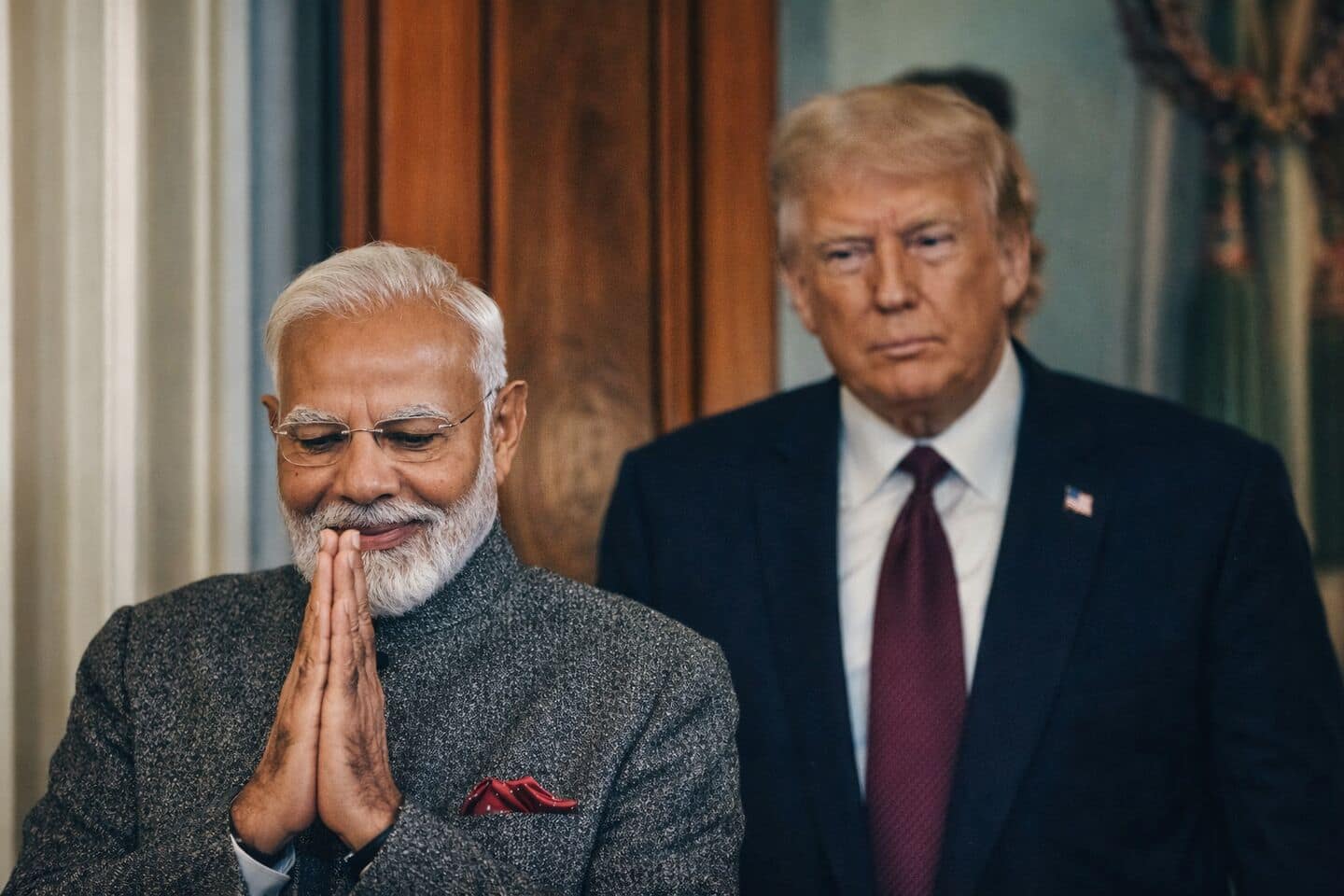
This pivotal document, released on February 7th, encapsulates the mutual understandings between the two nations and will guide the ongoing efforts to finalize the interim deal. According to the External Affairs Ministry spokesperson, Randhir Jaiswal, the joint statement is not just a preliminary document but the definitive basis for future negotiations and implementation. Both sides are now committed to working collaboratively to bring this framework to fruition, ensuring that the agreed-upon principles shape the final trade pact. This confirmation aims to address any ambiguities and solidify the path forward for a reciprocal and mutually beneficial trade relationship between India and the US.
Fact Sheet Revisions
Following the issuance of a White House fact sheet that sparked some controversy, amendments have been made to reflect the precise shared understandings detailed in the joint statement. The initial version of the fact sheet, released on a Monday, had included specific mentions of India's commitment to reduce tariffs on certain pulses and to purchase American goods, including energy and technology, valued at USD 500 billion over five years. However, after the Indian side raised concerns regarding the phrasing and implications of these points, the document was subsequently revised. The updated fact sheet, issued the following day, removed the contentious references to pulses. It now details that India will either eliminate or decrease tariffs on a broad spectrum of US industrial products, along with a wide array of food and agricultural items. This includes products such as dried distillers' grains (DDGs), red sorghum, tree nuts, fresh and processed fruits, soybean oil, wine, and spirits, among others. This recalibration ensures that the official US document aligns accurately with the spirit and letter of the joint statement, fostering transparency and mutual trust in the trade dialogue.
Trade Commitments Clarified
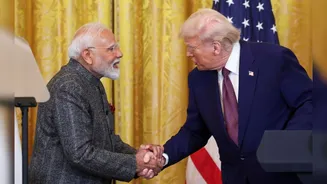
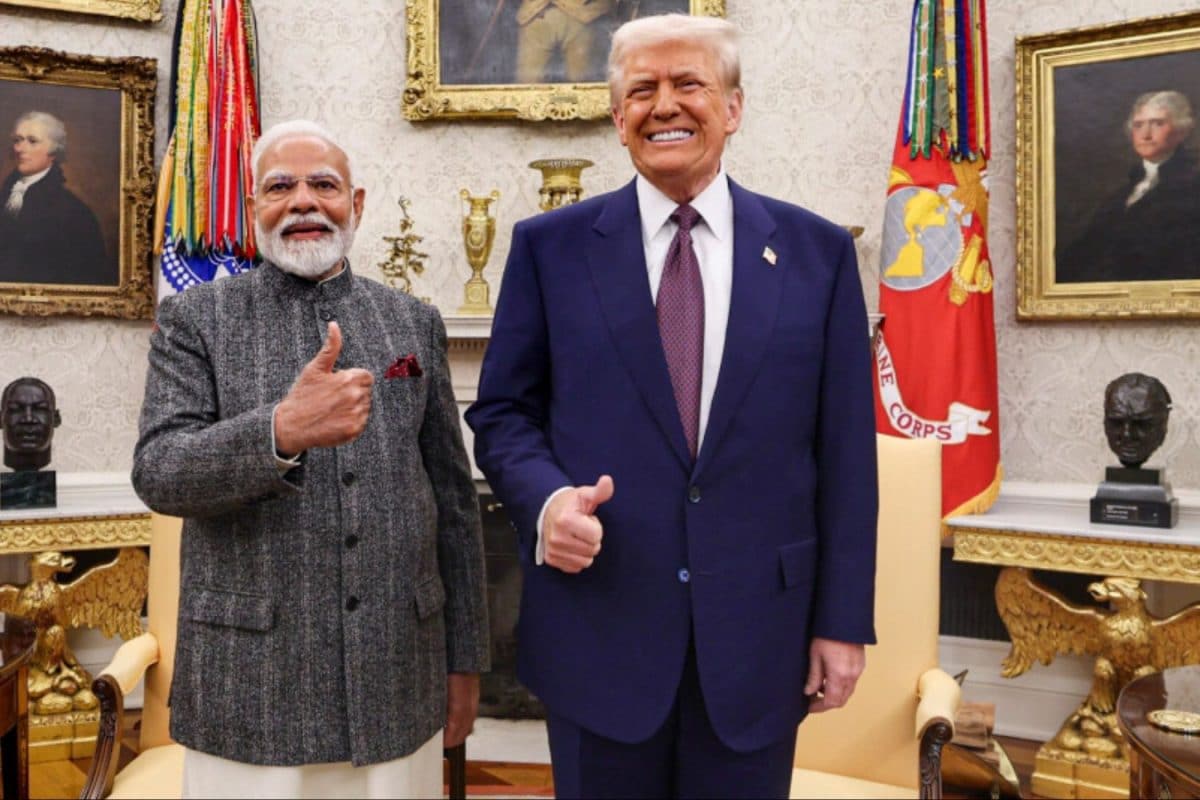
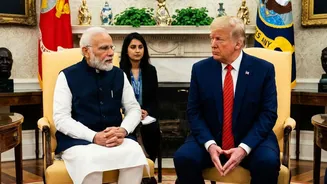
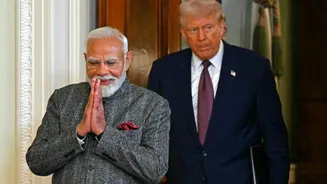
The revised US fact sheet now accurately portrays India's trade intentions, emphasizing a commitment to negotiate digital trade rules and clarifying the scope of product purchases. While the initial document mentioned specific commitments regarding pulses, the amended version focuses on India's broader intent to procure more American products, including energy, information and communication technology, coal, and other goods, with an estimated value exceeding USD 500 billion over a five-year period. Notably, the revised document removed any reference to India eliminating its digital services taxes. Instead, it states that India is prepared to engage in negotiations concerning digital trade rules. This adjustment ensures that specific, potentially unilateral, obligations are not misrepresented, and that the progress on digital trade is framed within a collaborative negotiation process. Furthermore, following a phone conversation between Prime Minister Narendra Modi and US President Donald Trump, a significant reduction in US tariffs on Indian goods, from 50 percent to 18 percent, was also announced, underscoring the evolving nature of the trade relationship.
Peace Board Invitation
Beyond trade discussions, India has received an invitation from the US government to participate in the Board of Peace, a proposal that New Delhi is currently reviewing. Responding to inquiries about this matter, the spokesperson indicated that the invitation is under careful consideration. India has a consistent history of supporting initiatives aimed at fostering peace, stability, and constructive dialogue within West Asia. Prime Minister Narendra Modi has previously welcomed all endeavors that contribute to the establishment of long-term and enduring peace in the entire region, including Gaza. Therefore, the proposal to join the Board of Peace is being thoroughly evaluated in light of India's foreign policy principles and its commitment to regional harmony and conflict resolution. The nation's stance on such international initiatives is rooted in a desire to promote stability and a peaceful resolution of conflicts.