







Walking's Shortcomings Exposed
Surabhi, a leading fitness coach, makes a compelling point: solely depending on walking for your fitness goals can be surprisingly detrimental. This approach
might seem adequate at first glance, but it potentially undermines the body's overall strength. The human body is designed for multifaceted movement, and consistently engaging in just one form of exercise, like walking, may lead to certain limitations. In particular, it is suggested that relying exclusively on walking may inadvertently cause your body to become weaker over time, thereby affecting areas you might not initially consider. Furthermore, this also has an impact on the natural metabolism that the body has.
Weak Body Development
One of the primary concerns highlighted by fitness coach Surabhi is the risk of developing a weak body when walking is the only form of exercise. This weakness goes beyond just a lack of visible muscle tone; it encompasses the fundamental strength of your entire musculoskeletal system. The continuous impact of walking, without the counterbalancing force of resistance training, may lead to muscle imbalances and a decrease in overall physical resilience. The body is most robust when it is challenged and trained in various different ways.
Joints Under Pressure
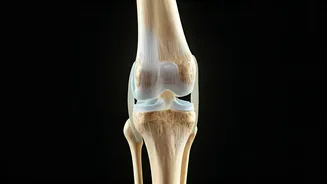
Another key area of concern is the increased strain that may be placed on your joints when walking alone. The impact of each step, when repeated consistently, is absorbed by your joints. Over time, and without the support provided by strong muscles and connective tissues, this constant pounding may lead to accelerated wear and tear. This is particularly true for individuals who do not engage in additional activities that may help strengthen the bones in the body. If the muscles around the joints are not strong enough to stabilize them, it can lead to increased stress, and potentially, joint damage.
Metabolism Slowdown Risk
One subtle yet significant effect of relying solely on walking is the potential impact on your metabolism. The rate at which your body burns calories and processes nutrients can be negatively affected. While walking certainly burns calories, it does not promote the same level of muscle development as strength training does. Muscle tissue is metabolically more active than fat tissue, meaning it requires more energy to maintain. The development of more muscle through strength training thus contributes to a faster metabolism and a more efficient body.
Accelerated Ageing Impact
Perhaps the most significant effect that you could face if you rely exclusively on walking, is the impact on your aging process. The combination of all the elements described previously—weakness, increased joint strain, and metabolic slowdown—can, over time, accelerate the visible signs of aging. However, incorporating strength training counters these effects. This proactive approach to fitness can help in slowing down this process, while allowing you to remain active and healthy.