




Beyond the Glitter
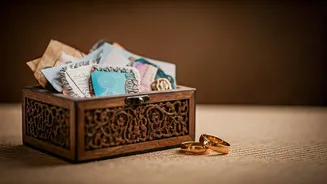
In a notable departure from centuries-old customs, a growing number of young Indian couples are consciously choosing to reduce or entirely forgo the traditional
emphasis on gold jewellery for their weddings. This evolving trend signifies more than just a stylistic preference; it represents a fundamental re-evaluation of what constitutes a meaningful and valuable celebration. While gold has long been intertwined with Indian weddings as a symbol of prosperity, security, and status, this new generation is seeking to decouple marital union from such material affluence. Driven by a desire for greater financial control, a prioritization of experiences, and a broader societal shift towards practicality, these couples are actively redefining wedding expectations. This movement challenges the notion that grandeur is synonymous with heavy gold adornments, paving the way for more personalized and financially sound unions.
Conscious Choices Emerge
The decision to opt out of traditional gold expectations is often a deeply considered one. Individuals like Dr. Sreekutty Sunilkumar consciously chose to avoid gold, motivated by the awareness of how dowry expectations, including gold, can precipitate severe financial strain, emotional distress, and even violence. Her perspective highlights a move towards supporting a system that doesn't inadvertently endorse such pressures. Initially, facing resistance from older generations who associate gold with emotion, status, and security, these couples often navigate these conversations through open dialogue, emphasizing that the wedding should reflect their personal choices and comfort rather than societal dictates. Many find elegant alternatives, like American diamond sets costing a fraction of gold, offering a similar bridal aesthetic without the associated financial burden, underscoring that meaningful adornment doesn't require immense expense.
Personal Values Prevail
For many, the choice against gold is simply an extension of their personal style and values, viewed as just another wedding planning decision. Basima Shana, for instance, never enjoyed wearing excessive jewellery, especially gold, and thus, the idea of adorning herself with heavy gold ornaments for her wedding felt incongruent with her identity. While some relatives expressed traditional concerns, her clarity about her desires, supported by her father's less traditional view on adorning brides solely for display, allowed her to proceed. Friends often reacted with intrigued excitement, curious to witness this alternative approach. Opting for rented necklaces and earrings, along with stylish bangles and a watch, Basima and her partner maintained a simple, complementary aesthetic. This pragmatic approach extended to financial foresight, as they later recognized the economic advantage of avoiding gold as prices surged, treating it as an ordinary decision akin to selecting attire or event management.
Financial Freedom Focus
The rising cost of gold has spurred many couples, particularly those from modest backgrounds, to prioritize financial stability over lavish gold expenditures. Gouri S Nair, aware of her parents' hard work in funding her and her sisters' education, chose not to burden them further with wedding expenses, including significant gold purchases. The decision to avoid excessive gold was a joint one with her husband, driven by a desire to circumvent personal loans and the resultant EMIs that could impact their future. While she opted for a gold mangalsutra and chain due to its sentimental value and daily wear utility, she firmly believes that gold shouldn't be a mandatory wedding component or a standard measure of marital worth. This perspective emphasizes that gold as an investment should be tied to wise purchasing decisions, not compelled debt, and should not be a prerequisite for a wedding.
Challenging 'What Will People Say?'
Addressing the pervasive societal concern of 'what will people say,' couples like Sharika Rayaroth and Sidharth Punnachalil have stood firm in their decision to avoid gold jewellery meant for impressing others. Their candid communication with families about not wanting to purchase gold for show was met with initial hesitation, but ultimately, support emerged, with in-laws emphasizing individual choice. Sharika opted for zirconium fashion jewellery, recreating a desired bridal look at a significantly lower cost, while still including a minimal gold mangalsutra for its sentimental value. This pragmatic approach extends to reusability of jewellery, offering better value than heavy, seldom-worn gold sets. This choice challenges the underlying message that a woman's worth is defined by the amount of gold she wears, promoting a view that values individual identity over material display.
Redefining Gold's Role
Historically, gold in Indian weddings has been a multifaceted symbol: currency, security, status, and sentiment. However, a growing number of couples are questioning the necessity of these traditional heavy gold investments, especially when they create financial strain. Dr. Chandni Tugnait notes that younger couples, increasingly contributing to their own wedding costs, are separating personal meaning from social expectations, with gold often falling into the latter category. While this trend is noticeable in regions like South India where gold is traditionally prominent, it reflects a broader mindset shift across the country. Financial expert Hardeep Singh Virdi observes that while gold remains culturally relevant, its role is evolving, with couples seeking meaning over materials and opting for personalized, minimalist celebrations. For some, gold is now purchased through digital platforms or ETFs, indicating a more strategic approach to investment rather than ritualistic adornment.