




Meal Planning Magic
Meal planning is the cornerstone of easy eating. By dedicating a small amount of time to plan your meals for the week, you can avoid last-minute decisions
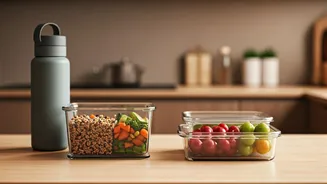
and unhealthy choices. Start by taking stock of what you already have in your pantry and fridge. Then, create a meal plan based on those ingredients, incorporating seasonal produce and your favorite dishes. Make a shopping list that corresponds to your meal plan, sticking to it to minimize impulse buys and food waste. Preparing some components in advance, like chopping vegetables or cooking grains, can save you precious time during the week. This proactive approach significantly reduces the mental load of daily cooking and eating, allowing you to enjoy your meals more fully.
Smart Shopping Strategies
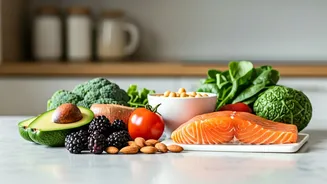
Grocery shopping smarter is crucial to streamlining your food preparation. Focus on the perimeter of the supermarket, where fresh produce, dairy, and meat are typically located. These are the foundations of healthy meals. Read food labels carefully, paying attention to ingredient lists and nutritional information to make informed decisions. Buy in bulk when it makes sense, such as for pantry staples like rice, beans, and oats, which are cost-effective and have a long shelf life. Prioritize seasonal produce, as it's often more affordable and tastier. Don’t be afraid to experiment with frozen fruits and vegetables, which can be just as nutritious as fresh options, and are convenient to have on hand. Consider visiting local farmers markets for fresh, locally-sourced products. Planning your shopping trips around sales and using coupons or loyalty programs can also help save money and time.
Efficient Cooking Techniques
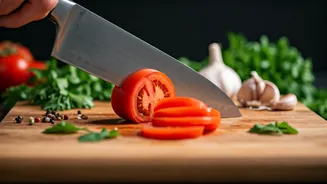
Several cooking methods save time without sacrificing flavor or nutrition. Batch cooking involves preparing large quantities of food at once, such as cooking a pot of soup, roasting a tray of vegetables, or grilling a batch of chicken. Store these items in individual portions in the freezer for quick and easy meals later in the week. Embrace one-pan or one-pot recipes to minimize cleanup. These types of recipes typically combine all ingredients into a single dish, which simplifies the entire process. Utilize your kitchen appliances effectively; slow cookers and pressure cookers are excellent tools for preparing flavorful meals with minimal effort. Don’t underestimate the power of leftovers: repurpose them into new dishes, like turning roasted chicken into a salad or using leftover vegetables in a frittata. Learning a few basic knife skills can also significantly speed up food preparation.
Flavor Boosting Secrets
Enhancing the flavor of your food doesn't require complex techniques. Mastering a few simple flavor combinations can elevate any dish. Start with the basics: salt, pepper, and a touch of acid (like lemon juice or vinegar) can brighten the taste of almost any meal. Experiment with herbs and spices to add depth and complexity to your dishes. Fresh herbs add a vibrant aroma and flavor, while dried spices provide a concentrated boost of flavor. Use high-quality ingredients. A simple dish made with fresh, flavorful ingredients will always taste better than a complex one made with subpar ingredients. Don't be afraid to use sauces and marinades. They are a great way to add flavor and moisture to your meals. Also, don't forget the power of texture; consider adding crunchy elements like nuts or seeds or creamy elements like avocado to make each bite more interesting.
Reducing Food Waste
Minimizing food waste is not only good for the environment but also for your budget and time. Proper food storage is the first line of defense. Store fruits and vegetables correctly to maximize their shelf life. Use the “first in, first out” method in your fridge and pantry, using older items before new ones. Get creative with leftovers. There are endless possibilities for transforming leftovers into new and exciting meals. Consider composting food scraps that can’t be used, like vegetable peels and coffee grounds. This converts kitchen waste into nutrient-rich soil. Freeze excess food, either whole or in portions, to extend its usability. Learn to recognize the difference between 'sell by' and 'use by' dates. Many foods can still be safely eaten after the 'sell by' date. Plan your meals carefully, shop strategically, and store your food properly to significantly reduce food waste, saving you time and money.