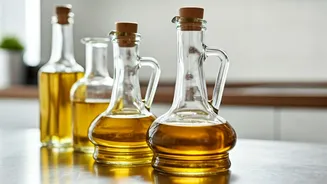

Butter and Margarine
Butter and margarine, both commonly used alternatives in cooking, can present certain health considerations. Butter, derived from animal fats, is naturally
high in saturated fats. Excessive intake of saturated fats is linked to an increased risk of heart disease and elevated cholesterol levels. On the other hand, margarine, often manufactured from vegetable oils, has seen shifts in its composition. Earlier versions contained trans fats, which were particularly harmful. Although many margarines have been reformulated to eliminate or significantly reduce trans fats, their nutritional profiles can still vary greatly depending on the ingredients and manufacturing processes. Consumers should carefully assess ingredient lists and nutritional information to make informed choices. Moderation and considering both types in context of an overall balanced dietary approach are recommended.
Palm Oil: A Closer Look
Palm oil, derived from the fruit of oil palm trees, is frequently utilized in processed foods and cooking. Its affordability and versatility have made it a popular choice for food manufacturers and consumers alike. However, palm oil is high in saturated fat, which has been associated with increased levels of LDL cholesterol, often referred to as 'bad' cholesterol. Regular consumption of foods prepared with or containing substantial amounts of palm oil could potentially increase the risk of cardiovascular diseases. Beyond its impact on health, the palm oil industry also faces significant environmental concerns related to deforestation and habitat loss. Considering both the health implications and environmental footprint, awareness regarding palm oil consumption is vital. Consumers are encouraged to be mindful of the presence of palm oil in packaged foods and seek healthier alternatives when possible.
Oils and Obesity Risk
The use of certain cooking oils has been linked to the growing prevalence of obesity. Oils that are high in calories and saturated fats can contribute to weight gain if consumed in excess. For instance, frequently using large amounts of these oils in cooking or deep frying significantly increases caloric intake, making it easier to exceed daily energy requirements. The body then stores the excess calories as fat. Some oils, like those derived from certain seeds, may also promote inflammation in the body, potentially affecting metabolism and increasing the risk of weight gain. Understanding the calorie density and fat composition of the oils used in your kitchen is essential. Prioritizing healthier cooking methods, such as baking, grilling, or steaming, alongside using oils sparingly, is crucial for maintaining a healthy weight and overall well-being. Careful attention to portion sizes and mindful cooking practices play a vital role in preventing obesity linked to oil consumption.
Overuse: High Calorie Oils
The excessive use of any high-calorie oil, regardless of its type, can contribute to weight gain and various health issues. Even seemingly 'healthy' oils, when used in large quantities, add considerable amounts of calories to a meal. For example, a tablespoon of oil can contain around 120 calories, and using multiple tablespoons in a single dish can quickly increase the overall caloric content. This excess caloric intake, especially when combined with a sedentary lifestyle, can lead to weight gain over time. Beyond weight gain, overconsumption of oils, particularly those high in saturated fats, can have adverse effects on cardiovascular health. Therefore, using oils sparingly, measuring amounts accurately, and selecting healthier cooking methods are essential for managing calorie intake and promoting long-term health. Consider healthier alternatives like olive oil in moderation.
Soybean Oil's Influence
Soybean oil is a common cooking oil often found in processed foods. While soybean oil can be a source of omega-6 fatty acids, its consumption should be monitored. An imbalance between omega-6 and omega-3 fatty acids may contribute to inflammation in the body, which can be detrimental to overall health. Additionally, some soybean oils are refined, which involves processing that can remove beneficial compounds. Frequent use of soybean oil in deep frying processes can also lead to the absorption of excess oil by the foods, increasing the caloric content and potentially contributing to weight gain. Consumers need to be aware of the processing methods used in manufacturing the oil, and should check the labels before buying. Making choices that balance different types of fats and oils can contribute to health. Using soybean oil sparingly, and pairing it with healthier cooking choices, is also beneficial.
Reheating and Deep Frying
Reheating and deep frying in oils can create health concerns. When cooking oils are heated to high temperatures, such as those used in deep frying, they can undergo chemical changes, producing harmful compounds such as trans fats and acrolein. Reheating the same oil repeatedly further increases the concentration of these undesirable substances. The repeated use of oil for deep frying leads to the breakdown of its chemical structure, leading to the formation of compounds that may be harmful to health. This process can significantly elevate the risk of consuming potentially carcinogenic compounds, as well as contributing to inflammation in the body. Opting for healthier cooking methods, such as baking, grilling, or steaming, reduces the need for high-temperature cooking with oils. If deep frying is unavoidable, the oil should be discarded after one or two uses at most, and it should not be reheated repeatedly.