







Seasonal Migration Marvels
Winter in India is synonymous with the arrival of migratory birds. Numerous avian species journey from colder regions to enjoy India's warmer climate,
particularly in wetlands and coastal areas. Places like Bharatpur Bird Sanctuary in Rajasthan and Chilika Lake in Odisha become hubs of avian activity, hosting flocks of Siberian cranes, bar-headed geese, and various other migratory birds. These birds traverse vast distances, navigating using celestial cues and the Earth's magnetic field, to reach their wintering grounds. Their arrival not only enriches the biodiversity but also presents a unique opportunity for birdwatchers and nature enthusiasts to observe these incredible feats of navigation and endurance. The seasonal influx of these birds greatly impacts the local ecosystem, influencing food chains and the overall ecological balance, demonstrating nature's interconnectedness and the importance of conservation efforts to protect these critical habitats for migratory species to thrive. The annual migrations showcase the resilience of these creatures and the enduring appeal of the Indian subcontinent as a winter refuge.
Mammalian Winter Adaptations
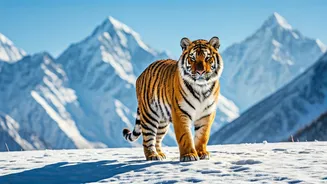
Many mammals in India also exhibit fascinating adaptations to the winter season. Some, like the snow leopard in the Himalayas, are perfectly adapted to the cold, using their thick fur and camouflage to thrive in the harsh mountain environment. They often descend to lower altitudes in search of food during heavy snowfall. Other species, such as tigers and other big cats, may alter their hunting patterns, taking advantage of the increased visibility offered by the clearer winter skies and the concentration of prey animals in certain areas. Certain ungulates, like the Nilgai, may display changes in their coat, growing thicker fur to combat the cold. These animals are a stark contrast to species that have evolved to hibernate or enter a state of dormancy, which may not be the case for all Indian mammals. These winter adjustments are essential for survival, showcasing the evolutionary strategies that enable mammals to withstand the challenges presented by the season and ensure the continuation of their populations. These survival strategies help preserve the balance of the ecosystems in which these animals live.
Reptilian and Amphibian Changes
Reptiles and amphibians also experience significant seasonal shifts during the Indian winter. Many reptiles, being ectothermic or cold-blooded, rely on external sources of heat to regulate their body temperature. As winter descends, they often become less active, seeking shelter in burrows, under rocks, or in other concealed locations. Some may enter a state of dormancy or brumation, a reptilian version of hibernation, where their metabolism slows, and they conserve energy. Similarly, amphibians, who are also ectothermic, also seek refuge to escape the cold. They burrow into the mud or find sheltered spots near water bodies, awaiting the return of warmer temperatures. These behavioral adaptations and physiological changes enable these creatures to survive the cold and conserve energy during a time when food resources may be scarce and environmental conditions are less favorable. The changes in activity levels and behavior of reptiles and amphibians are visible indicators of the changing seasons and are critical for their survival, contributing to the broader ecological dynamics of the Indian winter.
Coastal and Marine Life
The winter months also bring notable changes to coastal and marine life along the Indian coastline. Many marine mammals, such as whales and dolphins, may be observed migrating to warmer waters off the Indian coast for breeding. Certain species of turtles, like the Olive Ridley turtles, come ashore in large numbers to nest along the beaches of Odisha and other coastal regions. The abundance of plankton and other food sources in the coastal waters supports a variety of marine life during this season. The winter season is a time when the ocean's dynamics also change, which can influence marine animal behavior. The interaction of marine and coastal elements highlights the interconnectedness of these ecosystems and the importance of maintaining them during this seasonal transformation. The coastal and marine adaptations and behaviors during the Indian winter provide yet another layer to the diverse wildlife experiences across the country and the importance of conservation efforts to preserve these habitats.
Conservation Challenges & Efforts
The winter season presents both opportunities and challenges for wildlife conservation in India. The influx of migratory species and the behavioral changes in resident animals increase the importance of conservation efforts. Conservationists must monitor and protect habitats, particularly wetlands, forests, and coastal areas, to ensure they can support wildlife populations during the challenging winter months. The increasing threats posed by habitat loss, climate change, and human activities underscore the need for effective conservation strategies. These include protecting critical habitats, promoting sustainable tourism, and combating poaching and illegal wildlife trade. Community involvement and awareness campaigns also play crucial roles in conservation, fostering a sense of responsibility and stewardship among local populations. Protecting the wildlife during the winter season helps create better sustainability practices and safeguard these habitats, benefiting both wildlife and local communities and preserving these natural wonders for future generations.