






From Humble Beginnings
The concept of luxury mangoes might seem surprising, as most people associate them with simple summer enjoyment. However, a select few varieties are treated
with a reverence usually reserved for fine art or precious jewels. These are not fruits casually consumed but are instead savored, showcased, and in some instances, even collected. The allure extends beyond mere taste, encompassing the intricate processes of their cultivation, their inherent scarcity, and the unique experiences they offer to those who can acquire them. This elevates them far beyond the common fruit, turning them into objects of desire and prestige in the culinary world.
Global Coveted Varieties
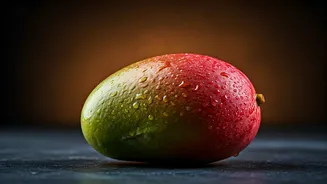
The global stage for luxury mangoes is often dominated by varieties like Japan's Miyazaki, famously nicknamed the "Egg of the Sun." This particular mango boasts a striking deep ruby hue and an intensely sweet profile, a testament to the rigorous cultivation methods employed. Grown under meticulously controlled conditions and subjected to strict grading, the finest Miyazaki mangoes command astonishing prices, with pairs fetching up to $3,000 at auctions. Even when cultivated domestically in India, a kilogram of this prized fruit can range from approximately Rs 2,000 to several lakhs in international markets, cementing its status as one of the world's most expensive fruits.
India's Royal Heritage
India, the land where mangoes hold deep cultural significance, also boasts its own lineage of luxurious mangoes. The Kohitur mango, for instance, is a rare variety that was historically reserved for the indulgence of Nawabs. Its delicate nature necessitates extremely careful harvesting, and its limited availability today makes it a potent symbol of exclusivity. Another remarkable specimen is the Noorjahan mango, named after the Mughal empress, which is distinguished by its astonishing size, with individual fruits sometimes weighing as much as 3 kg. These magnificent fruits are often priced in the hundreds or even thousands per piece, offering a visual and gustatory spectacle. Even the celebrated Alphonso, or Hapus, continues to hold its premium position, renowned for its vibrant saffron pulp, captivating aroma, and creamy texture, consistently dominating high-end markets worldwide.
Defining 'Luxury' Status
The definition of a 'luxury' mango blurs the boundaries between culinary art and high-end goods. These are fruits intended for appreciation rather than casual eating. The substantial price tags are not solely attributed to taste but are a complex interplay of precision in cultivation, inherent rarity, and the overall premium experience. Luxury mangoes are often grown in controlled environments, sometimes within greenhouses, where each fruit receives individual attention and is constantly monitored for optimal color, size, and sugar content. Their scarcity further enhances their desirability, making them highly sought after. In cultures like Japan, these premium fruits are frequently purchased as exquisitely packaged gifts, symbolizing respect and status, rather than for everyday consumption.