



Tangy Phalsa Delight
Across the northern plains of India, particularly in states like Punjab and Uttar Pradesh, a small, unassuming fruit called phalsa flourishes. It offers
a distinct sweet and sour flavor profile that is incredibly invigorating, making it a beloved ingredient for refreshing sherbets. These drinks are a popular choice for combating the harsh summer heat, providing a cool respite with their unique taste and hydrating properties. The fruit’s tartness is balanced by its natural sweetness, creating a complex flavor that awakens the palate and offers much-needed refreshment during scorching days.
Hardy Karonda's Bite
Thriving in drier climates such as Rajasthan and parts of Gujarat, the karonda fruit grows on resilient shrubs. This fruit is known for its intensely sour taste, a characteristic that makes it an ideal candidate for pickling. The preservation process transforms its sharp tang into a delightful condiment. Karonda is also noteworthy for its high vitamin C content, contributing to its reputation as a healthy and flavourful addition to the Indian culinary landscape. Its ability to grow in arid conditions underscores its robustness and its importance in the traditional diets of these regions.
Digestive Jamun's Charm
Widely cultivated in areas like Uttar Pradesh, Bihar, and Maharashtra, the jamun fruit reaches its peak ripeness during the height of summer. This deep purple berry is not only visually striking but also holds significant health benefits. Traditionally, it is recognized for its ability to aid in digestion and is often consumed by those looking to manage blood sugar levels. The distinct, slightly astringent taste of jamun makes it a unique seasonal treat, offering a burst of flavour and therapeutic properties during the hottest months.
Aromatic Bael Pulp
The bael fruit, commonly found on hardy trees in Uttar Pradesh, Bihar, and Odisha, possesses a uniquely fragrant pulp. This aromatic quality makes it a prized ingredient for creating cooling beverages, especially during summer. Beyond its refreshing taste, bael is also recognized for its positive impact on gut health, offering a natural remedy for digestive discomfort often exacerbated by the heat. Its distinctive aroma and medicinal properties have cemented its place in traditional Indian summer wellness practices.
Hydrating Tadgola Refreshment
Along the coastal regions of Maharashtra, Goa, and Tamil Nadu, the tadgola, or ice apple, is a popular choice for summer hydration. Its soft, jelly-like flesh offers an almost immediate sensation of coolness, providing welcome relief from the intense heat of the sun. This naturally hydrating fruit is a simple yet incredibly effective way to stay refreshed. Its translucent appearance and mild sweetness make it a delightful and easy-to-consume treat, perfect for the sweltering summer climate.
Tangy Kokum Essence
Hailing from the Konkan coast, particularly in Maharashtra, Goa, and Kerala, kokum is a distinctive fruit celebrated for its intensely tangy flavour. It is frequently incorporated into various dishes to add a sharp, acidic note, enhancing their overall taste profile. Kokum is also highly valued for its inherent cooling properties and its effectiveness in promoting healthy digestion. Its vibrant colour and sharp taste make it a staple ingredient for both culinary and therapeutic purposes during the warm season.
Wood Apple's Aroma
The wood apple, known locally as kaitha, is recognizable by its tough, rough exterior and is cultivated in the rural areas of Uttar Pradesh, Madhya Pradesh, and Chhattisgarh. Despite its formidable shell, the fruit contains an aromatic pulp that is a versatile ingredient. This pulp is commonly transformed into flavourful chutneys and refreshing drinks, offering a unique taste experience. The combination of its potent aroma and slightly tangy flavour makes it a distinctive addition to Indian cuisine, particularly during summer months.
Langsat's Sweet-Tartness
The North-Eastern states of India, including Meghalaya and Assam, are home to the langsat, also known as lotka. This fruit offers a delightful balance of sweetness and tartness, coupled with a juicy texture that makes it incredibly appealing. Despite its delicious flavour, the langsat remains largely a regional delicacy, rarely encountered in markets beyond its native areas. Its juicy nature and vibrant sweet-tart profile make it a cherished local fruit, representative of the diverse produce from India's northeastern frontier.
Sour Chalta Curry
In West Bengal, Odisha, and Assam, the chalta, or elephant apple, is a prominent summer fruit characterized by its pronounced sourness. This distinctive flavour makes it a popular ingredient in curries, where it imparts a bold and tangy dimension to the dish. Beyond its culinary application, chalta is also recognized for its rich nutritional value. Its sourness is not just a flavour enhancer but also a sign of its unique composition, making it a robust and flavourful addition to regional cooking.
Sweet Khirni Gem
Madhya Pradesh, Rajasthan, and parts of Maharashtra are known for cultivating khirni, a small yet remarkably sweet fruit. Its flavour is often described as reminiscent of caramel, offering a delightful and subtle sweetness that distinguishes it from other summer fruits. This hidden gem provides a pleasant and satisfying taste experience, making it a quietly cherished part of the summer harvest. Its delicate sweetness and caramel-like notes contribute to its appeal as a unique and understated seasonal treat.
Delicate Mulberry Joy
Cultivated in the cooler regions of Punjab, Himachal Pradesh, and Kashmir, the mulberry, or shahtoot, is a delicate and juicy fruit. It is packed with essential vitamins, making it not only a delightful treat but also a nutritious one. Shahtoot is most commonly enjoyed fresh, savoured for its natural sweetness and tender texture, or incorporated into various desserts. Its succulence and rich vitamin content highlight its value as a seasonal delicacy, offering a burst of flavour and goodness.
Creamy Ramphal Treat
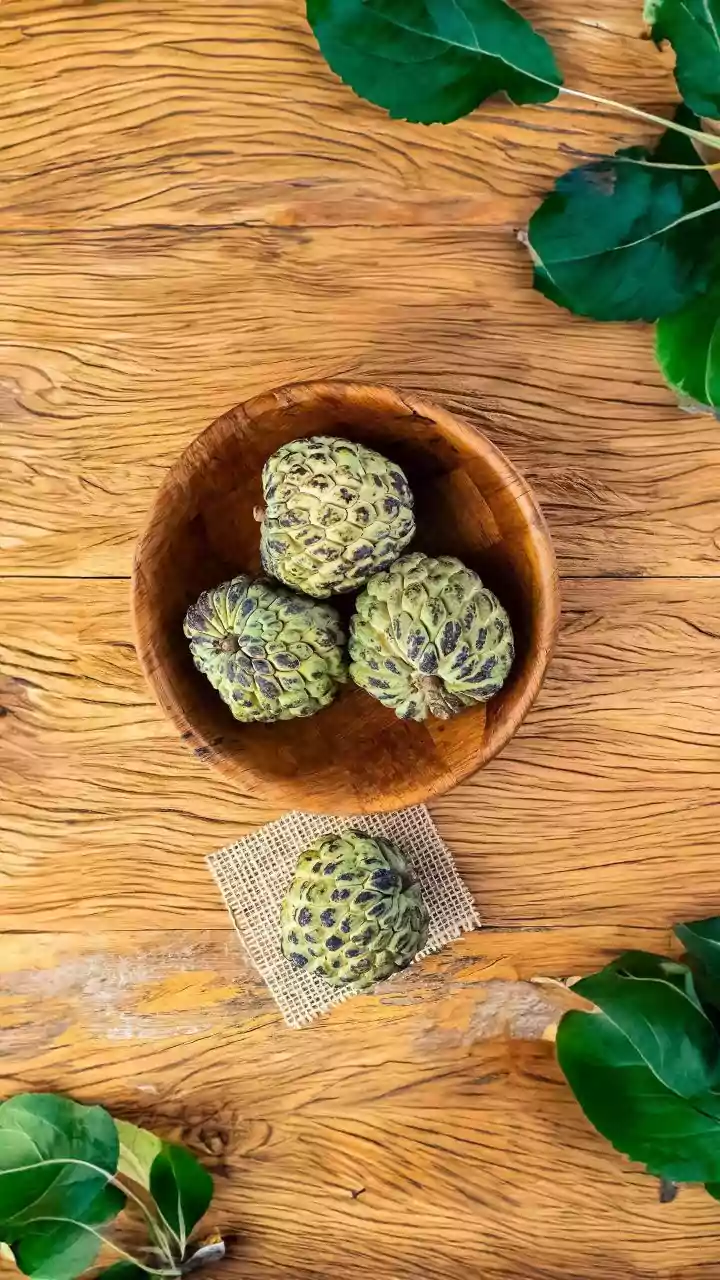
Found across Maharashtra, Andhra Pradesh, and certain central Indian regions, ramphal presents a creamy, smooth flesh. This fruit, a lesser-known relative of the custard apple, is appreciated for its rich texture and subtly sweet flavour. It is quietly savoured by those familiar with its delicate taste and consistency. Ramphal offers a different kind of creamy indulgence compared to its more famous cousins, providing a unique experience for fruit enthusiasts.