




The Unconventional Seed Source
A gardening enthusiast embarked on an unusual experiment, driven by sheer curiosity, to determine if tomatoes from a fast-food burger could be cultivated
into viable plants. The focus of this intriguing endeavor was McDonald's Quarter Pounder burgers, from which slices of tomato were carefully extracted. The YouTuber employed two distinct methods: one involved meticulously separating a few seeds from a tomato slice and planting them, while the other was a more direct approach, planting an entire tomato slice into the soil. Both techniques were initially tested in small indoor containers to observe any initial germination, underscoring the experimental nature of the project, which was undertaken more for amusement and exploration than with any specific expectation of success.
From Sprout to Harvest
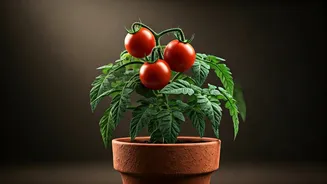
The experiment quickly yielded promising results, with both planting methods showing signs of sprouting within a few days. Following approximately three weeks of indoor nurturing, the young seedlings were transitioned to an outdoor environment. One plant was directly transplanted into the ground, while the other was placed in a container. Over a span exceeding 120 days, both plants demonstrated continuous growth, even under fluctuating watering conditions during hot weather. The plant in the container bore fruit slightly sooner, a phenomenon attributed by the gardener to environmental stress, whereas the plant in the ground exhibited a slower but steadier development. By the 94th day, the first tomatoes began to ripen, and ultimately, both plants started producing fruit.
A Bounty of Flavor
The plant cultivated directly in the soil produced an astonishingly large quantity of tomatoes, with dozens appearing on its branches, far exceeding the gardener's initial expectations. The harvested tomatoes were then subjected to a taste test, described as having a mild, subtly sweet flavor with minimal acidity, making them particularly easy to consume in larger amounts. The smaller fruits from the container-grown plant were noted to possess a slightly sweeter profile. The gardener also commented on the possibility that tomatoes used in fast-food chains are often hybrid varieties, specifically bred for consistency and durability rather than for seed propagation. Consequently, plants grown from such seeds might not yield fruit identical to the original, although they can still be highly productive.
Internet's Amused Reaction
The online community responded with a mixture of surprise and amusement to the video documenting this unique experiment. Many viewers expressed astonishment that the endeavor was successful, with some playfully remarking that the YouTuber had consumed more of the restaurant's food than its CEO. Others shared their own experiences, including one individual who had been growing tomatoes from McDonald's salad seeds since 2007 and saving them annually. The general sentiment was one of delight in seeing that the fast-food chain still uses real tomatoes, and appreciation for the entertaining and unexpected results of the gardening project, with some noting the potential for hybrid seeds to not breed true to their parent plants.