





Unprecedented Transplant Growth
India has witnessed an extraordinary expansion in organ transplantation, with the total number of procedures multiplying fourfold from less than 5,000
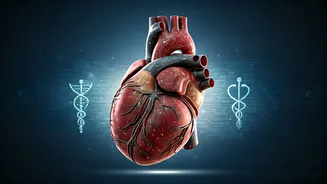
in 2013 to approximately 20,000 in 2025. This significant surge, as reported by the Union Health Ministry, underscores a paradigm shift in the nation's organ donation and transplantation landscape. The government's sustained focus and strategic initiatives, including Prime Minister Narendra Modi's emphasis on organ donation in his 'Mann Ki Baat' addresses, have provided a crucial impetus to this life-saving movement. The National Organ and Tissue Transplant Organisation (NOTTO) has been instrumental in this progress, facilitating unprecedented advancements in organ procurement, equitable distribution, and successful transplantation across the country. This dramatic increase signifies a growing national commitment to saving and improving lives through organ donation.
Deceased Donors & Citizen Registration
A substantial portion, around 18%, of the burgeoning transplant numbers are now attributed to organs from deceased donors. In 2025 alone, over 1,200 families selflessly chose to donate the organs of their departed loved ones, a decision that has directly saved countless lives and significantly enhanced the quality of life for numerous recipients. The concept of a 'multiorgan donor' has become more prevalent, maximizing the impact of each donation. Reflecting a growing public willingness and awareness, more than 4.8 lakh citizens have registered their consent to donate organs and tissues after death through an efficient Aadhaar-based verification system since September 17, 2023. This widespread participation demonstrates a positive societal evolution towards embracing organ donation as a noble act of generosity.
Advanced Transplant Capabilities
India has demonstrably cultivated high-level expertise in performing complex organ transplantations, including those of the heart, lungs, and pancreas. This sophisticated medical capability positions the nation at the forefront of advanced healthcare. Notably, India has achieved global leadership in hand transplants, performing more such procedures than any other country worldwide. These remarkable achievements are a direct consequence of the Indian government's robust and consistent support, effectively translating strategic policy objectives into tangible, life-saving outcomes. The country boasts world-class transplant professionals and surgeons whose surgical outcomes are on par with international standards, yet at a significantly lower cost, making advanced medical care more accessible.
Strengthening the Ecosystem
The past year has seen a historic surge in deceased organ donations, coupled with enhanced coordination and improved national organ sharing mechanisms, ensuring more patients receive timely and fair access to vital transplants. The strengthened operational capacity of NOTTO highlights India's growing maturity as a responsive, ethical, and technologically advanced transplant ecosystem. This progress is the result of a comprehensive, multi-faceted government strategy. Key elements include bolstering NOTTO's role as the central coordinating body, enabling real-time organ allocation, and fostering seamless interstate collaboration. The National Organ and Tissue Transplant Registry has been modernized and expanded to guarantee transparency, traceability, and fairness in the process.
Capacity Building & Digital Integration
Significant efforts have been dedicated to building the capacity of State Organ and Tissue Transplant Organisations (SOTTOs) and Regional OTTOs (ROTTOs). Transplant protocols have been refined, and standard operating procedures have been aligned with global best practices to ensure efficiency and quality. The utilization of digital platforms for donor and patient registration, along with improved hospital connectivity, has been substantially enhanced. Furthermore, the promotion of 'green corridors' for rapid organ transport and the implementation of standardized procedures for various transportation methods have enabled swift and safe organ delivery across cities and states. These reforms have effectively reduced logistical hurdles, improved clinical results, and reinforced public confidence in the organ donation system.
Public Awareness & Self-Reliance
Extensive public awareness campaigns, community engagement initiatives, and sustained advocacy have successfully fostered a more positive societal attitude towards organ donation. An increasing number of families are choosing to donate organs during times of loss, transforming grief into hope for countless individuals awaiting transplants. The advancements achieved under NOTTO's leadership also bolster India's vision of achieving self-reliance in advanced healthcare. By reducing the necessity for overseas transplants and ensuring ethical, transparent, and equitable practices domestically, India is forging a path towards greater healthcare autonomy and accessibility for its citizens.