





The Power of Blending
The journey to lustrous hair often begins with understanding the synergy between different oils. While castor oil is renowned for its richness and potential
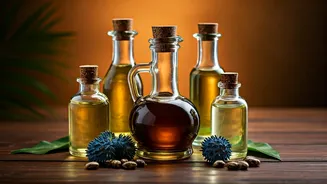
to fortify strands, its dense consistency can be a deterrent. The real magic, however, lies in its masterful blending with other oils. This isn't just about making the application smoother; it's about creating a potent elixir that addresses multiple hair concerns simultaneously. By combining castor oil with lighter, nutrient-rich oils, you can enhance scalp hydration, improve nutrient delivery to hair follicles, and significantly reduce hair breakage. This approach transforms a potentially heavy treatment into a luxurious, effective regimen that promotes overall hair health and encourages a fuller, more vibrant appearance over time. Embracing oil blending unlocks a holistic approach to hair care, moving beyond superficial coating to profound nourishment from root to tip.
Jojoba: Scalp's Best Friend
Jojoba oil, a unique liquid wax remarkably similar to your scalp's natural sebum, is a fantastic partner for castor oil. Its similarity to natural oils allows your scalp to readily accept and benefit from it. When combined with castor oil, jojoba oil plays a crucial role in maintaining scalp equilibrium, preventing it from becoming overly oily or excessively dry. This balance is paramount because healthy hair growth originates at the scalp. Blocked or irritated follicles hinder hair development, regardless of the products used. Jojoba oil is known for its ability to soothe an itchy scalp, manage excess oil production, and generally enhance scalp comfort. This blend is particularly beneficial for those experiencing oily roots coupled with dry ends, offering a harmonious solution for scalp health.
Rosemary: Growth's Stimulant
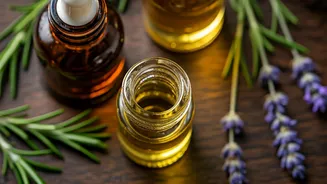
Rosemary oil stands out due to scientific backing for its potential to improve hair growth conditions. Clinical research indicates that blends incorporating rosemary oil can lead to increased hair density, enhanced thickness, and a reduction in hair fall over consistent use. However, rosemary oil is potent and should never be applied on its own. Introducing just a few drops of rosemary essential oil into a castor oil mixture is key. The castor oil provides moisturizing benefits and protection, while the rosemary oil actively stimulates blood circulation around the hair follicles. This combination results in a balanced, effective hair treatment, often lauded by beauty experts as a natural scalp therapy. Diligence is crucial; a small amount of rosemary oil is sufficient to achieve desired results without overwhelming the scalp.
Coconut: The Enhancer
Coconut oil is an exceptional companion to castor oil, enhancing its efficacy and application. Its lighter texture allows it to spread more easily, enabling castor oil to penetrate the hair more evenly. Coconut oil possesses the unique ability to enter the hair shaft, rather than merely coating the surface, which is vital for minimizing protein loss, strengthening hair strands, and decreasing breakage. Often, what is perceived as slow growth is actually hair being lost due to damage. By mixing one part castor oil with two parts coconut oil, you create a smoother blend that is also easier to wash out. This combination is particularly beneficial for hair that feels dry, rough, or has been damaged by heat styling, offering a nourishing and restorative treatment.
Almond: Gentle Nourishment
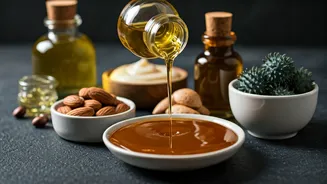
Often overlooked, almond oil is a favorite among beauty insiders for its lightweight nature and abundance of vitamin E. For centuries, traditional beauty practices have leveraged almond oil to nurture hair and refine its texture. When blended with castor oil, almond oil softens the mixture's thickness, transforming it into a silky treatment rather than a heavy mask. This combination is effective in reducing hair breakage, imparting softness and shine, and making hair more manageable. It proves particularly beneficial for hair that tangles easily or appears dull, offering a simple yet powerful solution for beginners in oil blending due to its gentle yet effective properties.
Argan: The Elixir
Dubbed 'liquid gold,' argan oil is celebrated for its remarkable benefits, packed with antioxidants and fatty acids that smooth the hair cuticle, bestowing an instant glossy and healthier appearance. Castor oil provides profound moisture, while argan oil adds essential softness and natural movement to the hair. Together, they create a luxurious, salon-quality finish. This blend is exceptionally effective for managing frizz-prone hair, revitalizing colored or chemically treated hair, and for individuals who dislike heavy oiling routines. It leaves hair feeling deeply nourished yet light, and notably, it possesses a more pleasant scent than pure castor oil, enhancing the overall application experience.
Optimal Application Method
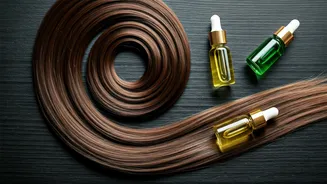
Achieving the best results from hair oiling involves more than just mixing oils; proper application is key. Start by gently warming the oil mixture between your palms, which aids in better spreadability and enhances the relaxing sensation during scalp massage. Using your fingertips – never your nails – massage the oil into your scalp for about five minutes. This stimulates blood circulation and ensures even distribution of the oils. For maximum benefit, leave the oil treatment on for at least 30 minutes; an overnight application is also an option if your scalp tolerates it well. When washing out, use a gentle shampoo, potentially requiring two washes to thoroughly remove heavier oils. Aim for two to three oiling sessions per week; excessive application can lead to product buildup rather than the desired benefits.
The Reality of Growth
It's important to approach hair growth with realistic expectations. No single oil possesses the ability to dramatically accelerate hair growth speed. Scientific consensus indicates that castor oil itself does not inherently speed up the rate at which hair grows. Instead, its primary benefits lie in enhancing hydration, minimizing breakage, and protecting hair strands. These effects collectively contribute to hair appearing fuller and longer over time. The majority of perceived slow growth is often due to hair damage and breakage, rather than a lack of speed in the growth cycle. Therefore, focusing on a healthy scalp and maintaining strong, resilient strands is the most effective strategy for achieving visible hair growth and length.