





Hygiene Crisis Uncovered
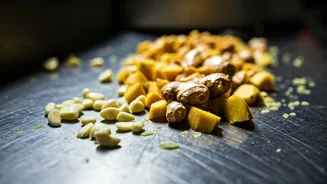
Hyderabad is once again grappling with a concerning food safety issue, this time revolving around a small-scale production facility for ginger-garlic paste.
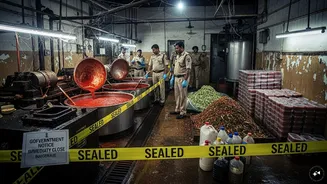
The unit, operating from Madhura Nagar in Borabanda, was found to be in a shocking state of disarray and contamination. This discovery serves as a stark reminder of how essential food ingredients can enter the supply chain without undergoing rigorous safety and quality checks. The operation was brought to light during a surprise inspection carried out by vigilant food safety officers in collaboration with the Khairatabad Zone Commissioner’s Task Force, revealing a disturbing reality behind a common kitchen staple.
Disturbing Production Methods
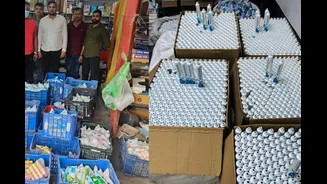
The inspection at the 'A1 Sahara Gold Ginger & Garlic Paste' unit revealed a deeply concerning picture of food production. The paste was being manufactured in rudimentary plastic containers that were visibly uncleaned and unsanitized. Ingredients such as citric acid and salt were being added without any adherence to proper food-grade standards. To compound the issue, the processed paste was left to be stored in open vats, exposing it to dust, insect infestation, and general dirt. Officials present at the scene unequivocally declared the product unfit for human consumption due to these egregious sanitary violations and the evident health risks it posed to consumers.
Widespread Distribution Network
Investigations revealed that this unsafely produced ginger-garlic paste was not confined to a small local market. Authorities indicated that the product was actively being supplied to a wide range of establishments across Hyderabad. This included numerous small grocery stores, popular restaurants, and even catering services, suggesting a broad reach for the contaminated product. The primary driving force behind this operation, according to law enforcement, appeared to be financial gain, with little to no regard for the health and well-being of the unsuspecting consumers who would eventually use the paste.
Licensing and Regulatory Issues
Adding another layer of concern to the operation, it was discovered that the unit was facing significant discrepancies with its food safety licensing. Specifically, the address listed on its FSSAI (Food Safety and Standards Authority of India) license did not correspond with the actual physical location where the ginger-garlic paste was being manufactured. This mismatch raises questions about the oversight and verification processes for food businesses, further underscoring the importance of robust regulatory checks to prevent such violations and safeguard public health from substandard food products.
Seizure and Legal Action
Following the discovery of the unhygienic conditions and regulatory breaches, officials took decisive action. A substantial quantity of the contaminated ginger-garlic paste, amounting to 1,155 kg, was seized. Alongside the product, essential manufacturing equipment was also confiscated. This included a grinder used in the process, a weighing scale for measuring ingredients, and various packing materials. The estimated value of the seized goods was reported to be approximately ₹2.5 lakh. The individual in charge, identified as Mohd Abdullah, was apprehended, and both he and the confiscated items were handed over to the Tappachabutra police station for further investigation and legal proceedings.