






Barcode's Hidden Data
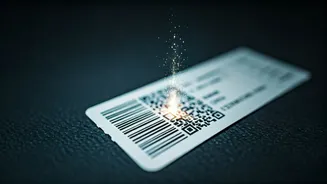
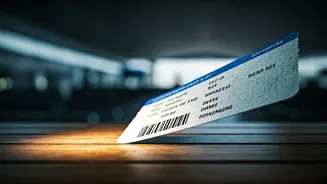
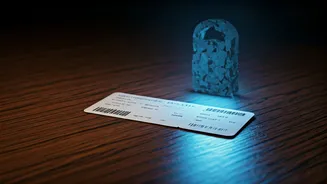
The barcode on your boarding pass is more than just a scan code; it's a gateway to significant personal information. This scannable element, compliant
with the IATA Bar Coded Boarding Pass (BCBP) standard, can be easily deciphered using readily available smartphone applications. Aviation expert K Anuradha Suresh highlights that this data typically includes your full name precisely as it appears on official identification, your Passenger Name Record (PNR) which is a unique 6-character booking code, and potentially your frequent flyer number. This latter detail can be exploited for tracking travel habits or even pilfering accumulated miles. Furthermore, contact information like your email address or phone number may also be linked within this digital package, making it a comprehensive data source for opportunistic individuals.
Flight Manipulation Risks
The PNR and your surname, both easily extractable from a boarding pass barcode, are sufficient to gain unauthorized access to an airline's 'Manage My Booking' portal. Once inside, malicious actors can wreak havoc on your travel plans. They could arbitrarily change your assigned seat, perhaps moving you to an undesirable middle seat. More disturbingly, documented instances reveal individuals cancelling return flights of unsuspecting travelers after viewing their boarding passes on social media platforms like TikTok or Instagram. Even seemingly minor alterations, such as changing your meal preferences for a long-haul journey, can be employed as a form of targeted harassment, underscoring the significant personal disruption that can arise from such data breaches.
Identity Theft & Home Security
Beyond flight manipulation, the PNR often serves as a master key, granting access to a wealth of deeply personal information within certain airline systems. This can include the last four digits of your credit card, your passport number, and your date of birth, especially if this data was provided for international travel. Consequently, a hacker can obtain your full travel itinerary, revealing precisely where you are staying and when you plan to return. This information directly translates into a heightened risk of burglary at your residence, as it publicly broadcasts the exact period your home will be unoccupied, providing criminals with a clear window of opportunity.
Safe Sharing Protocols
If you are eager to share your travel excitement, it is imperative to adopt stringent safety measures to protect your sensitive data. Absolutely cover the barcode before capturing any image; do not rely on digital blur or brush tools, as these can often be reversed. Instead, physically obscure the barcode using a solid object like your passport or a thick piece of paper. Equally important is hiding the PNR, the 6-character booking reference, ensuring it remains completely invisible. The safest practice is to delay posting any travel-related photos until you have safely reached your destination or have returned home, transforming your potentially risky snapshot into a harmless throwback memory.
Personal Vigilance is Key
The core message from aviation experts like K Anuradha Suresh is not to instill fear, but to foster awareness regarding data exposure. In the aviation industry, risks are proactively mitigated, and the same principle applies to personal digital security. A simple act of refraining from posting boarding passes online, or at a minimum, diligently obscuring the barcode and booking reference, can significantly enhance your safety. Security is a dual responsibility, encompassing both system safeguards and individual vigilance. This extends even to physical documents; always shred discarded boarding passes instead of simply throwing them away, as even these can contain exploitable information.