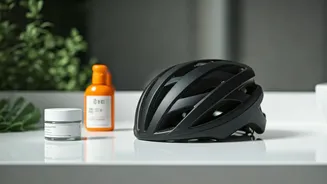




Helmet & Scalp Care
The snug fit of a helmet, while essential for safety, creates a warm, moist environment ideal for bacterial and fungal growth. This microclimate can quickly
lead to frustrating scalp issues like persistent dandruff, an itchy sensation, and small, unwelcome pimples along the hairline. For those with naturally oily or profuse-sweating scalps, regular, gentle cleansing becomes paramount. However, the key lies in moderation; overly aggressive shampooing can strip the scalp of its natural protective oils, leaving it vulnerable. Opt for mild, sulphate-free shampoos that cleanse without stripping. Adjusting your washing frequency to suit your scalp's unique needs is crucial for maintaining its delicate balance. Beyond cleansing, the hygiene of the helmet itself is frequently overlooked. Sweat and oils can accumulate inside, exacerbating scalp problems over time. Make it a habit to regularly clean your helmet's inner lining and allow it to air dry completely. Furthermore, wearing a clean cotton or microfiber skullcap underneath your helmet acts as a vital barrier, significantly reducing direct contact with sweat and potential irritants. To further safeguard your scalp, avoid applying heavy oils or styling products directly before your ride, and never share helmets, as this can transfer unwanted microbes.
Battling Pollution's Impact
As a daily cyclist, you're frequently immersed in road-level air pollution, with fine particles, particularly PM2.5, posing a significant threat. These microscopic pollutants have the capacity to penetrate your skin's natural barrier, initiating a cascade of oxidative stress within your cells. If left unaddressed, this ongoing cellular damage can manifest as a dull complexion, persistently clogged pores, and a type of acne often termed 'city acne.' To effectively combat this invisible enemy, consider integrating antioxidant-rich skincare into your morning regimen; a vitamin C serum is an excellent choice for bolstering your skin's defenses. In the evening, a comprehensive cleansing ritual, such as double cleansing, becomes indispensable. This dual approach ensures that accumulated dirt, excess oil, and stubborn pollutants are thoroughly removed from your skin's surface, allowing it to recover and regenerate overnight.
Friction & Skin Irritation
The constant, gentle friction generated by helmet straps, backpack straps, or even tight cycling gear can trigger a specific type of acne known as friction-induced acne, or acne mechanica. This irritation is a complex interplay of heat buildup, sustained pressure, and continuous movement, all of which conspire to weaken your skin's natural protective barrier. This compromised barrier becomes more susceptible to inflammation, leading to redness and the development of stubborn breakouts. To create a buffer against this abrasive force, apply a lightweight moisturizer containing barrier-strengthening ingredients like ceramides before you embark on your ride. This provides an essential protective layer, minimizing the direct contact and reducing the likelihood of friction-related discomfort and blemishes. Maintaining your skin's integrity before you even hit the road is key.
Sun, Wind & Hydration
Even seemingly short or routine bike commutes can expose you to substantial amounts of ultraviolet radiation from the sun. The cooling effect of the wind can often mask the sensation of intense heat, making it deceptively easy to underestimate sun damage in the moment. However, consistent, repeated exposure over time can lead to unwanted tanning, the development of pigmentation issues like dark spots, and can accelerate the visible signs of aging. To counteract these risks, the application of a broad-spectrum sunscreen with a Sun Protection Factor (SPF) of 30 to 50 is absolutely non-negotiable before heading outdoors, irrespective of the prevailing weather conditions. For cyclists, sweat-resistant or lightweight sunscreen formulations are particularly advantageous. Beyond sun protection, ensuring your skin remains adequately hydrated is vital. Utilize non-comedogenic moisturizers that incorporate beneficial ingredients such as hyaluronic acid or niacinamide. These components work synergistically to fortify the skin's natural barrier function and effectively reduce inflammation, contributing to overall skin health and resilience.
Daily Habits for Health
Incorporating a few straightforward daily practices can make a significant positive impact on both your skin and scalp health during your cycling commute. Prioritizing helmet hygiene, selecting gentle cleansing products for your hair and skin, and consciously avoiding pore-clogging substances before your ride are fundamental steps. If taking a full shower immediately after your commute isn't feasible, keep pH-balanced cleansing wipes handy. These are invaluable for quickly removing accumulated sweat and grime, thereby preventing the onset of breakouts and irritation. Fundamentally, the daily demands of cycling expose you to a confluence of environmental and physical stressors that can adversely affect your dermatological well-being. From fostering microbial growth on your scalp to the cellular damage caused by pollution and the cumulative effects of sun exposure, these challenges necessitate a consistent and targeted care approach. Experts consistently highlight that a well-rounded routine focusing on proactive protection, thorough cleansing, and adequate hydration is the most effective strategy for mitigating the long-term detrimental effects on your skin and scalp.