
Timing vs. Choices
The timing of your meals holds immense importance, paralleling the significance of the food choices you make. Often overlooked, the practice of eating
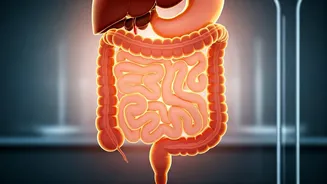
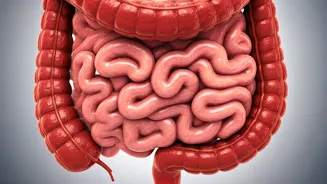
dinner earlier offers remarkable advantages when it comes to regulating blood sugar levels and promoting optimal gut health. It's not merely about the ingredients; the schedule significantly influences your body's processes. Late-night meals can upset the natural rhythms of your body, affecting hormone balance and digestive functions, whereas an earlier dinner time helps to align your internal clock, supporting more effective digestion and overall wellness. This simple adjustment can set the stage for enhanced sleep quality and improved metabolic health, illustrating that even small changes can trigger considerable positive outcomes.
Late Dinners' Disruptions
Eating dinner at a late hour often causes disruptions to both hormonal balance and the digestive process. These late-night meals tend to interfere with the body's natural sleep cycle, increasing the likelihood of poor sleep quality, which in turn leads to a cascade of negative effects throughout the body. Furthermore, these untimely meals are often poorly digested, putting additional stress on the digestive system at a time when it should be resting. This can lead to bloating, discomfort, and inflammation. Hormones also suffer, with changes that can affect insulin sensitivity and metabolic health. These disruptions can snowball, affecting weight management, mood, and overall vitality, highlighting the importance of making sure your body has the time and resources to efficiently digest the food consumed.
Benefits of Early Meals
Switching to an earlier dinner time can lead to a plethora of health benefits. One of the main benefits is more stable blood sugar levels, as the body has sufficient time to metabolize and process food before bedtime. This, in turn, helps to improve insulin sensitivity, reducing the risk of conditions like type 2 diabetes. Additionally, an earlier meal schedule supports improved sleep quality, allowing the digestive system to rest and rejuvenate, rather than working hard throughout the night. This enables better hormone regulation, which influences appetite, mood, and metabolism. These factors work together, promoting a more balanced and thriving internal environment, offering a strong argument for re-evaluating when you eat your last meal of the day.
Gut-Friendly Food Choices
Including gut-friendly foods in your diet can significantly boost your gut health and enhance sleep quality. Focusing on foods that promote a healthy gut microbiome can lead to better digestion, nutrient absorption, and overall well-being. Consuming foods rich in prebiotics, such as fiber-rich vegetables, and probiotics, like fermented foods, introduces beneficial bacteria and supports a balanced gut flora. This can lead to reduced inflammation, improved gut barrier function, and enhanced mood. Moreover, some foods, like those rich in tryptophan, may also improve sleep quality, making the body more prepared for rest. Integrating these nutritional choices with the timing of your meals will give you greater benefits.
Small Changes, Big Impact
Implementing small dietary changes can produce substantial positive effects on blood sugar levels, improving overall health and wellness. This often overlooked area can be the key to significant results. By being mindful of the foods you eat and the timing of your meals, you can experience improved energy levels, more stable moods, and reduced risks of chronic diseases. For instance, opting for whole grains over processed foods can help manage blood sugar responses, while making an early dinner will give your body time to process nutrients while you sleep. These small yet conscious changes collectively contribute to a healthier lifestyle, underlining how small, intentional decisions can collectively lead to meaningful differences in your well-being, both physically and mentally.