




Induction Cooktops: Swift & Safe
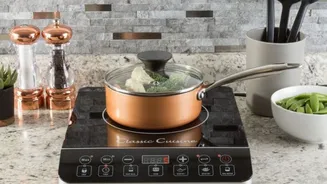
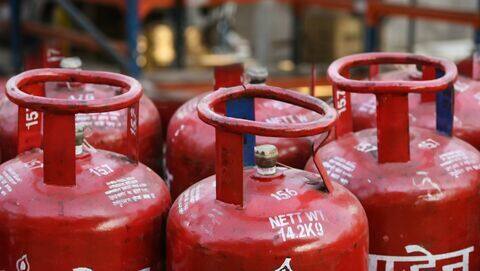
In the absence of an LPG cylinder, induction cooktops emerge as a highly efficient and safe alternative for everyday cooking. These modern appliances utilize
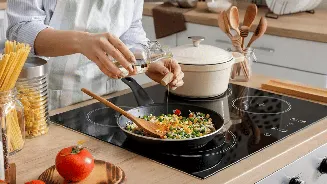
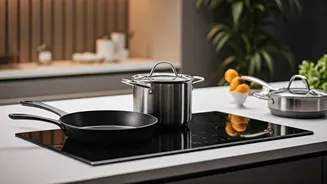
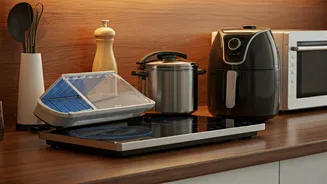
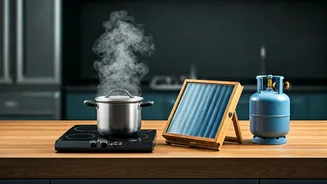
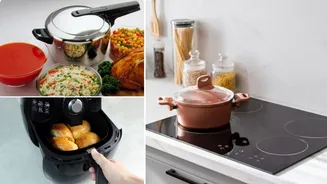
magnetic fields to directly heat cookware, eliminating the need for open flames and making them significantly safer, especially in households with children. Their rapid heating capabilities often surpass traditional gas stoves, and many models come equipped with convenient preset functions for dishes like dal or rotis, simplifying meal preparation. Induction cooktops are also remarkably energy-efficient, boasting an 80-90% efficiency rate, which translates to lower running costs, estimated at Rs 2–5 per meal compared to LPG's Rs 3–7. They are an ideal solution for urban dwellers who have access to a stable electricity supply, providing a reliable and user-friendly cooking experience during gas cylinder delays.
Electric Pressure Cookers: Versatile & Time-Saving
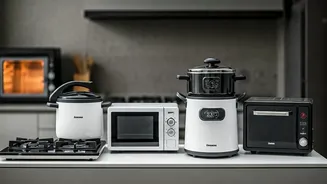
When LPG supply is uncertain, electric pressure cookers offer a multifaceted solution for meal preparation. These appliances are incredibly versatile, capable of performing a range of cooking tasks from preparing rice and steaming vegetables to slow-simmering curries, effectively consolidating the functions of multiple kitchen tools. Leading brands have engineered these cookers to reduce cooking times by as much as 70%, a significant advantage when time is of the essence. Furthermore, their design often eliminates the need for constant supervision, freeing up valuable time. For households experiencing extended gas refill wait times, often up to 25 days, electric pressure cookers provide a dependable way to continue cooking a variety of dishes without relying on traditional gas. This multi-purpose functionality also contributes to a less cluttered kitchen space.
Solar Cookers: Sun-Powered Savings
Harnessing the power of the sun presents an eco-friendly and cost-effective way to cook, especially during LPG shortages. Solar cookers, available in box or panel designs, utilize sunlight to simmer dishes like dal or even bake bread on clear, sunny days. While requiring an initial investment ranging from Rs 1,500 to Rs 5,000, they offer a zero running cost, making them an exceptionally economical choice in the long run. These cookers are particularly well-suited for rural areas or regions with abundant sunshine, providing a sustainable cooking method. When paired with appropriate utensils, a solar cooker can typically cater to families of 4–6 people, offering an environmentally conscious alternative that significantly reduces reliance on conventional fuels.
Biogas Systems: Waste to Energy
Biogas systems offer a sustainable and continuous fuel source by converting organic waste into cooking gas. These home-based digesters process kitchen scraps and animal dung, producing a usable gas that can power stoves. The initial investment for these systems typically falls between Rs 20,000 and Rs 50,000, but they provide a steady supply of fuel, effectively eliminating the need for external gas cylinders. This solution is particularly beneficial for farms and households that generate a consistent amount of organic waste. With potential government subsidies available to offset the installation costs, biogas systems represent a reliable, long-term strategy for energy independence, proving invaluable during times of LPG scarcity and contributing to household waste management.
Air Fryers & Microwaves: Quick Snacks & Reheating
For quick meal solutions and efficient reheating, air fryers and microwave ovens are indispensable alternatives when LPG cylinders are unavailable. Air fryers excel at preparing crispy snacks and sides, mimicking the texture of deep-fried foods with up to 80% less oil, promoting healthier eating habits. Microwaves, on the other hand, are exceptionally efficient for reheating leftovers, often accomplishing this task in just a couple of minutes. While these appliances may not replace the primary cooking of elaborate main courses, they are perfect for managing snacks, side dishes, and quick meals, thereby conserving the limited LPG supply for more substantial cooking needs. With starting prices around Rs 3,000, they present an affordable and practical addition to any kitchen facing supply interruptions.