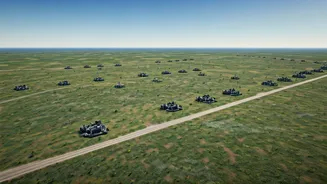








Strategic Kill Zone Defined
The Indian Army's recent strategic maneuver involves the creation of a dedicated drone kill zone. This area, meticulously planned, covers a significant
expanse of 35 kilometers in length and 3 kilometers in width. This specialized zone is designed to neutralize any potential aerial threats that venture into its designated airspace. The implementation of this drone kill zone demonstrates a proactive approach by the Indian Army, focusing on enhancing border security and maintaining surveillance capabilities. It ensures quick responses to any hostile activities.
Drone Technology Integration
The success of the drone kill zone hinges on the integration of advanced drone technology. These drones are equipped with cutting-edge sensors, sophisticated surveillance equipment, and advanced targeting systems. This enables them to detect, identify, and eliminate any unauthorized aerial vehicles within the designated zone. Furthermore, these drones are capable of operating in various weather conditions and environments, ensuring continuous monitoring. The integration of advanced technology facilitates proactive defense strategies along the borders.
Operational Capabilities Unveiled
The operational capabilities of the Indian Army's drone kill zone extend beyond mere surveillance. The primary function involves a multi-layered approach to defense. The system can swiftly identify and neutralize any hostile drones or aircraft threatening the borders. The kill zone's design allows for coordinated responses, with drones acting in tandem to counter aerial threats. This coordinated approach ensures effective defense against any potential incursions. The system can be deployed and operationalized within short notice.
Border Security Enhancement
The introduction of the drone kill zone has significantly enhanced border security measures. The capability to monitor and respond to aerial threats with precision provides a considerable advantage. This enhances the security landscape, deterring any potential hostile activity. This system ensures quick response times. The strategic placement and the comprehensive nature of the kill zone make it a formidable component of the defense strategy, thereby solidifying the nation's security posture.
Impact on Strategic Dynamics
The establishment of the drone kill zone has notable strategic implications for regional dynamics. The initiative serves as a clear signal of India's commitment to maintaining its territorial integrity. It provides a deterrent to any potential aggressors along the borders with Pakistan and China. This deployment underscores the Indian Army's proactive approach to national defense. This strategy could change the future of border security.
Future Developments Anticipated
As the strategic landscape continues to evolve, the Indian Army is likely to enhance and expand the capabilities of its drone kill zones. Future developments may include integrating artificial intelligence to further refine the detection and response mechanisms. This could allow for even quicker reaction times. Furthermore, the expansion of these zones to cover larger areas is expected. These advancements will continue to strengthen India's defense capabilities.