



The Art of Elai Sapadu
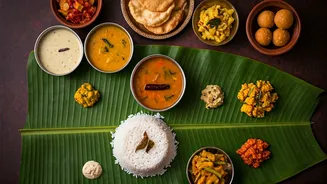
The Elai Sapadu, or banana leaf feast, represents a pinnacle of South Indian culinary tradition, especially during significant occasions like Tamil New
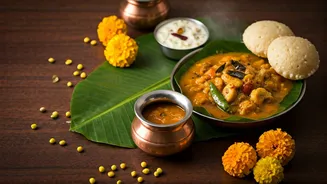
Year. This elaborate meal is a meticulously curated spread designed to engage all senses, offering a symphony of flavors, textures, and aromas. It typically commences with plain steamed rice, serving as the canvas for a vibrant array of accompaniments. Sambar, a hearty lentil and vegetable stew, and Rasam, a thin, tangy soup, are essential. Dry vegetable preparations like Poriyal and richer stews like Kootu and Avial showcase seasonal produce. Unique dishes like Pachadi, a refreshing yogurt-based side, and crispy Vadai and Appalam provide textural contrast. The meal culminates with sweet Payasam and often includes fresh fruits and pickles, creating a holistic dining experience that symbolizes abundance and well-being.
Diwali's Savory & Sweet Stars
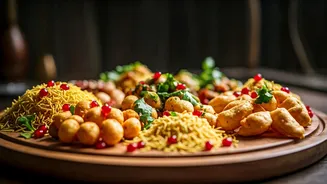
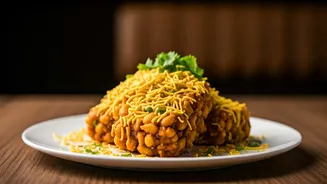
Diwali, the festival of lights, is incomplete without its iconic array of snacks and sweets. The text highlights several must-try treats that define this festive spread. Thenkuzhal Murukku, a crispy, golden-brown snack made from rice and urad dal flour, offers a satisfying crunch. Mullu Thengoyal, another traditional murukku, adds to the savory selection with its distinct flavor. For those with a sweet tooth, Milk Powder Ras Malai presents soft, melt-in-your-mouth discs steeped in creamy saffron milk. Gulab Jamun, a classic Indian dessert of fried dumplings soaked in rose syrup, and the rich, creamy Kalakand, a milk cake, are also featured as essential celebratory sweets, perfect for sharing and gifting.
Festival Delights & Special Dishes
Beyond the staple Elai Sapadu and Diwali snacks, Indian festivals often feature unique regional specialties and comforting dishes. Brinjal Gothsu, a smoky and tangy brinjal preparation, serves as a traditional side for Pongal and other South Indian staples. Brinji, a fragrant rice dish cooked with coconut milk and spices, offers a lighter alternative to biryani, suitable for everyday meals and gatherings. Beetroot Rice, a visually appealing and nutritious one-pot dish, is ideal for lunchboxes. Thiruvadirai Kali, a sweet made from roasted rice and moong dal, holds cultural significance for the Thiruvadirai festival. Melukote Puliyogare provides a taste of temple-style tamarind rice, known for its sweet, tangy, and spicy notes.
Quick & Flavorful Rice Varieties
In the realm of everyday and festive meals, quick and flavorful rice dishes play a significant role, offering convenience without compromising taste. Capsicum Rice, a speedy variety rice that can be prepared in under 15 minutes, is perfect for busy weekdays, especially when spice mixes are pre-prepared. Beetroot Rice or Pulao offers a healthy and colorful option, made in a single pot with rice, beetroot, and mild spices. Brinji provides a fragrant, gently spiced rice preparation infused with coconut milk and vegetables, fitting well for lunchboxes or casual meals. For a comforting and efficient meal, Rasam Sadham, a one-pot rasam rice, delivers aromatic and tangy flavors in minutes, ideal for those craving homely tastes without extensive cooking time.
Sweet Endings & Festive Treats
The celebration of Indian festivals is often marked by a delightful array of sweets that offer a sweet conclusion to any meal. Ras Malai, soft discs soaked in creamy saffron milk and garnished with nuts, is a royal dessert perfect for celebrations. Cham Cham, a soft and spongy Bengali sweet made with chenna and mawa, coated in coconut, is another festive highlight. Thiruvadirai Kali, a traditional sweet for the Thiruvadirai festival, made with roasted rice and moong dal, offers a mildly sweet and aromatic experience. Millet Sakkarai Pongal presents a healthier, wholesome twist on the traditional sweet Pongal, using kodo millet, jaggery, and aromatic spices. Gulab Jamun, the beloved fried dumplings in rose syrup, and Kalakand, a rich and creamy milk cake, are quintessential Indian sweets for any festive occasion.