





The Heat Factor
The practice of heating food within plastic containers is a subject of growing concern, and for valid reasons. When plastic encounters heat, particularly
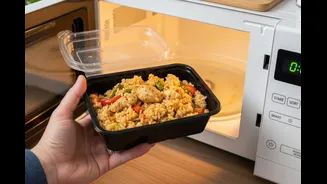
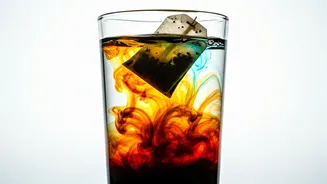
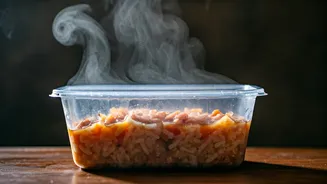
in microwaves, it can undergo structural changes. The high temperatures can cause the plastic to break down, releasing potentially harmful chemicals into the food. This process, often referred to as leaching, is a key concern for health experts. It's not about immediate toxicity; instead, the issue revolves around the cumulative effects of regular exposure to these chemicals. These chemicals may include substances like phthalates and bisphenol A (BPA), which have been linked to hormonal disruption and other health issues. Therefore, understanding the impact of heat on plastic is fundamental to adopting safer food-handling practices. The type of plastic and the specific heating method employed will influence the severity of the reaction, with microwave usage presenting a particularly high risk compared to other methods, such as refrigerating food or simply using it for storage purposes.
Microwave-Safe Labels Explained
Many consumers trust that 'microwave-safe' labels automatically ensure safety. However, this is not always the complete picture. The term 'microwave-safe' typically indicates that the container won't melt or warp under normal microwave conditions. It doesn't necessarily guarantee that chemicals won't leach into your food. The FDA provides guidelines and testing for these labels, but the standards primarily focus on maintaining the container's structural integrity, not on the complete absence of chemical migration. The safety of a container in the microwave also depends on the type of plastic it is made from, as some plastics are better suited for higher temperatures than others. Always look for the plastic resin code, which is usually found on the bottom of containers. Codes 1, 2, and 5 (PETE, HDPE, and PP, respectively) are considered safer options for food storage and heating compared to codes 3, 6, and 7. Thus, relying solely on 'microwave-safe' labels without considering the plastic type or the duration of heating is not the most cautious approach.
Hormone Disruption Risks
One of the key concerns associated with heating plastic is the potential for hormone disruption. Certain chemicals found in plastics, such as BPA and phthalates, can mimic or interfere with the body's hormones. These chemicals can seep into food when plastic is exposed to heat, subsequently ingested by individuals. Hormonal imbalances can have broad effects, influencing everything from reproductive health to the development of various health conditions. Research indicates that even low-level exposure to these chemicals can have significant effects, especially during critical developmental periods like pregnancy and infancy. The endocrine system, responsible for hormone regulation, is highly sensitive to disruptions. Phthalates, in particular, are commonly added to plastics to make them more flexible, increasing the likelihood of leaching when heated. As awareness grows, many are seeking to minimize exposure to these chemicals by making safer food preparation choices.
Safer Alternatives Examined
Fortunately, there are several safer alternatives to microwaving food in plastic containers. The first and simplest is to transfer food to glass or ceramic containers before heating. These materials are generally considered inert and do not leach chemicals when exposed to heat. Ensure the container you use is microwave-safe, as some ceramic items may contain metallic elements that could cause sparking. Another option is using paper products specifically designed for microwaving, such as parchment paper or microwave-safe paper plates. These materials are usually coated to prevent moisture and are safe for brief heating periods. For reheating leftovers, stainless steel containers are also suitable if they are microwave-safe, which can be verified by checking the manufacturer's instructions. When in doubt, always err on the side of caution. Even when a plastic container is labeled as microwave-safe, the best strategy is to minimize its use for heating and prioritize safer options to reduce potential health risks.