








Flight Rerouting and Delays
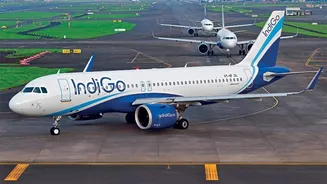
The closure of Iranian airspace has directly impacted IndiGo and Air India, forcing them to reroute flights. This strategic shift is a direct response
to the situation in Iran. Passengers should brace for potential delays as flight paths are adjusted to circumvent the restricted airspace. These rerouting efforts add travel time and can disrupt scheduled flight operations, affecting both arrival and departure schedules. Airlines are working to minimize the impact, but passengers must be prepared for unforeseen circumstances. It's advisable for travelers to stay updated through airline announcements and monitor flight status updates. Delays can also affect connecting flights, and passengers are recommended to review their itineraries for any changes that might require them to adjust their onward travel plans. It's essential to anticipate these potential disruptions and take appropriate action to stay informed and manage travel arrangements effectively. Passengers must exercise patience and remain aware of the evolving nature of the situation.
Impacted Airlines and Routes
Both IndiGo and Air India have been affected by the Iranian airspace closure. The impact varies depending on the specific routes flown by each airline. While the precise number of flights affected is dynamic, it's clear that routes connecting India to destinations that typically traverse Iranian airspace are experiencing significant alterations. Airlines have had to re-evaluate their flight paths, which has resulted in longer travel times for passengers. Affected passengers should expect changes in their schedules and potentially face longer flight durations due to the diversions. Travellers are advised to consult the official websites of IndiGo and Air India for specific details related to their flights. These websites usually offer real-time updates on flight status and any schedule adjustments. For those planning to fly to or from areas that would normally use Iranian airspace, it's particularly important to verify the latest information from the airlines. This proactive approach will help mitigate potential travel difficulties and keep passengers informed about any operational changes.
Passenger Advisory and Updates
Passengers are encouraged to keep a close eye on their flight status information. Both IndiGo and Air India are likely to communicate flight changes through several channels, including email, SMS notifications, and their websites. The best practice for passengers is to register for these updates during booking to receive alerts promptly. Airlines will also likely provide advisories on any alterations to flight times or the addition of layovers. For the most up-to-date and specific details on their flights, passengers should check the official airline platforms. This could be their website, mobile application, or the online portal where the ticket was purchased. Be sure to check the flight status regularly, ideally a few times on the day of travel. Passengers should be prepared for potential delays and have backup travel plans in case there are major disruptions. Flexibility and access to real-time information are critical for navigating the current airspace situation successfully.
Broader Geopolitical Context
The airspace closure is a direct consequence of escalating tensions and instability in the region. Such restrictions are often enacted for safety reasons, reflecting the sensitivity of the geopolitical environment. These actions are directly linked to events that impact the security of air travel. International aviation protocols require airlines to comply with any temporary closures, and the situation demands that airlines re-evaluate routes. The repercussions are far-reaching. Flight paths may need to be adjusted, leading to increased fuel costs and potentially affecting the overall efficiency of air travel. For passengers, this means potential delays and altered travel itineraries. These broader issues are essential for a complete understanding of how events beyond the airlines' control can disrupt travel and affect the global aviation industry. The interplay between international politics and the daily operations of businesses highlights the complexity of the modern world.