
Pongal: Tamil Nadu's Bounty
Pongal, celebrated in Tamil Nadu, is a four-day festival dedicated to the Sun God, marking the end of the harvest season and the beginning of the Uttarayan,
the sun's journey northwards. The festival gets its name from the Tamil word 'pongu,' meaning 'to boil over,' symbolizing abundance and prosperity. The first day, Bhogi Pongal, involves discarding old belongings and starting anew. The second day, Thai Pongal, is the most important, with the traditional Pongal dish prepared, and offerings made to the sun. Mattu Pongal, the third day, honors cattle, vital for farming, and Kaanum Pongal, the fourth day, involves family gatherings and community celebrations. The colorful kolam designs at the entrance of the houses, the vibrant decorations, and the festive cheer makes Pongal one of the best festivals of India.
Baisakhi: Punjab's Harvest Cheer
Baisakhi, primarily celebrated in Punjab, is a festival of both religious and agricultural significance. It marks the Sikh New Year and commemorates the formation of the Khalsa Panth by Guru Gobind Singh. On this day, farmers rejoice as they harvest their rabi crops. Celebrations include vibrant fairs, traditional folk dances like Bhangra and Gidda, and the aroma of delicious Punjabi cuisine. The Golden Temple in Amritsar witnesses massive congregations and celebrations. Baisakhi embodies the spirit of joy, unity, and gratitude for the harvest, with communities coming together to celebrate a bountiful yield and the beginnings of a new year. This festival is often celebrated on April 13 or 14.
Onam: Kerala's Floral Feast
Onam, celebrated in Kerala, is a ten-day festival marking the homecoming of the legendary King Mahabali. It is a celebration of the harvest season and is characterized by elaborate feasts, boat races (Vallam Kali), and Pookkalam (floral carpet) competitions. The festival embodies the values of unity, prosperity, and joy. People decorate their homes with colorful flowers, wear new clothes, and prepare a grand Onam Sadhya, a multi-course vegetarian feast. The snake boat races along the backwaters of Kerala are a major highlight of Onam, with teams competing with great enthusiasm and skill. Onam's festive atmosphere is a great opportunity to explore Kerala's cultural identity.
Bihu: Assam's Celebratory Dance
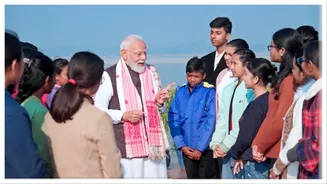
Assam celebrates three Bihu festivals throughout the year, with Rongali Bihu (Bohag Bihu) being the most significant as it coincides with the Assamese New Year and the beginning of the agricultural season. It marks the onset of spring and the sowing of seeds. This festival is known for its joyful spirit, with lively folk dances like Bihu dance, traditional music, and feasting. People exchange gifts, wear new clothes, and participate in community gatherings. The atmosphere is filled with vibrant colors, music, and dance performances that embody the spirit of the Assamese people, celebrating the richness of their culture and the prosperity of the harvest.
Lohri: Bonfire and Bliss
Lohri, celebrated primarily in Punjab and parts of North India, is a festival that welcomes the harvest season and the longer days after the winter solstice. The festival is characterized by bonfires, around which people gather to sing folk songs and dance, expressing gratitude for the harvest and praying for prosperity. Traditional foods like popcorn, peanuts, jaggery, and sesame seeds are offered to the bonfire and shared amongst everyone. Lohri is particularly significant for newlyweds and newborn babies, symbolizing the beginning of new life and the blessings of abundance. The joy of Lohri is infectious, with its lively energy. It is an ideal way to appreciate the warmth of togetherness and the blessings of the harvest season.
Nuakhai: Odisha's New Food
Nuakhai is a major agricultural festival celebrated in Odisha, marking the arrival of the new harvest. 'Nua' means new and 'khai' means food, signifying the consumption of freshly harvested rice. This festival is a celebration of the farmers and their hard work. The ritual involves offering the newly harvested rice to the deities, followed by a community feast. Nuakhai promotes the values of unity, cooperation, and gratitude. Families come together to share the new harvest, participate in various cultural programs, and express their gratitude for a bountiful yield. It is a time of renewed hope and prosperity for the communities in Odisha, where families and the whole village participate.
Makarsankranti: Across the Nation
Makarsankranti, celebrated across India with different names and traditions, marks the transition of the sun into the zodiac sign of Makara (Capricorn). It signifies the end of winter and the beginning of longer days. The festival is celebrated with unique regional variations, including kite flying in Gujarat, Pongal in Tamil Nadu, and the preparation of sweet delicacies like sesame seed ladoos and khichdi. The significance of Makarsankranti is the arrival of the harvesting season. From the colorful kites soaring in the sky to the delightful sweets, Makarsankranti reflects the unity of the culture and the significance of the harvest across India. It is a celebration that reflects the country’s varied cultures and the arrival of a new, prosperous season.