





Global Culinary Landscape
The world of food is a tapestry woven with countless cuisines, each boasting unique flavors, ingredients, and traditions. Indian cuisine, for instance,
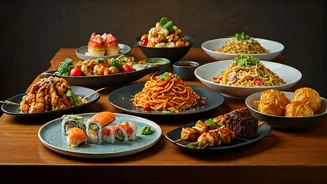
is renowned for its vibrant spices, such as turmeric, cumin, and coriander, which create complex and aromatic dishes. The use of ghee, a clarified butter, adds richness, while regional variations introduce diverse specialties, from the fiery curries of the south to the tandoori delights of the north. Italian food, on the other hand, embraces simplicity with fresh ingredients. Pasta, in its myriad forms, is a cornerstone, often paired with flavorful sauces like pesto or marinara. Olive oil, garlic, and herbs form the basis of many dishes, embodying the Mediterranean emphasis on fresh, seasonal produce. Thai cuisine offers a symphony of tastes, balancing sweet, sour, spicy, and salty elements. Ingredients like lemongrass, galangal, and chilies are common, creating dishes that are both bold and refreshing, accompanied by aromatic jasmine rice and fragrant curries. Across the globe, food traditions reflect cultural heritage, shaping how people eat, celebrate, and connect with each other.
Festive Food Traditions
Celebrations around the world are often centered on food, each occasion featuring unique culinary traditions. During Diwali, the Festival of Lights in India, sweets such as ladoos, barfis, and gulab jamun are shared to symbolize prosperity and happiness. Families gather to prepare elaborate feasts, often including savory dishes like samosas and biryanis. Christmas in many Western cultures brings forth a tradition of roast turkey, often served with stuffing, cranberry sauce, and mashed potatoes. Gingerbread cookies and fruitcakes are popular treats, symbolizing the warmth and joy of the season. In Japan, New Year's celebrations include eating special dishes known as 'osechi-ryori,' which are carefully arranged in boxes and symbolize health, happiness, and prosperity for the coming year. These dishes often feature ingredients like black beans for good health, herring roe for fertility, and sweet chestnuts for success. Lunar New Year in East Asia involves various symbolic foods; dumplings (Jiaozi) represent wealth, while noodles symbolize longevity. Families prepare and share these dishes, reinforcing community bonds and celebrating new beginnings. These food traditions are not merely about sustenance; they represent cultural values, memories, and the shared experiences that define communities during festive times.
Seasonal Culinary Experiences
The seasons significantly influence the availability of ingredients and, consequently, the dishes people prepare. In the summer, fresh produce like tomatoes, zucchini, and berries are abundant, leading to light, refreshing dishes. Salads, grilled vegetables, and fruit-based desserts become popular choices. In India, summer sees the mango season, with the fruit being used in drinks, desserts, and even savory dishes. The heat often calls for cooling foods like yogurt-based drinks (lassi) and light curries. Autumn brings a bounty of root vegetables, squashes, and apples. Hearty stews, soups, and pies become common, utilizing the season's harvest. Pumpkin spice flavors and apple-cinnamon combinations often dominate this time of the year, bringing a sense of warmth as the weather cools. During winter, comfort foods are popular due to the cold temperatures. Dishes like slow-cooked stews, hot soups, and baked goods provide warmth and energy. Spices like cinnamon, nutmeg, and cloves add warmth and flavor to the dishes. Spring signifies a time of rebirth and renewal, marked by the arrival of fresh greens, asparagus, and herbs. Light and fresh dishes, such as salads, stir-fries, and dishes featuring early spring vegetables, are commonly enjoyed. The availability of fresh ingredients during each season shapes regional culinary identities, influencing the way people eat and celebrate.