







Fiscal Overview and Growth
The Union Budget 2026-27, amounting to Rs 53.47 lakh crore, was presented with a focus on 'Viksit Bharat' and development for all. This fiscal plan emphasized
growth, particularly in sectors such as manufacturing and exports. Fiscal consolidation was also a key theme, with the government aiming to balance economic expansion with responsible financial management. Various industry bodies, like PHDCCI, highlighted the budget's emphasis on MSMEs and job creation, underscoring the potential for widespread economic impact. The RBI anticipated a dividend of Rs 3.16 lakh crore in FY27, which indicates a robust financial outlook and helps the government in meeting various expenditures.
Manufacturing and Infrastructure
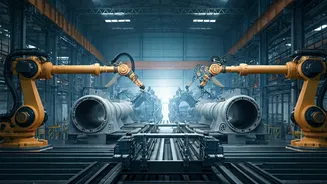
A significant focus of the budget was on boosting the manufacturing sector. Initiatives included the creation of rare earth corridors to promote self-reliance in magnet production and a substantial boost to the metals and mining industries. Furthermore, the rail budget allocated a capital expenditure of Rs 2.77 lakh crore, indicating a strong emphasis on infrastructure development and logistical improvements. The government also proposed a Chemical Parks Scheme to enhance domestic output. The emphasis on infrastructure, including railways and logistics, is poised to facilitate smoother supply chains and support overall economic growth. This demonstrates a strategic vision to position India as a global manufacturing hub.
Sector-Specific Allocations
The budget allocated funds to several key sectors. The Skill Ministry saw an increase to Rs 9,886 crore. The space budget received Rs 13,705 crore, underlining the government's commitment to technological advancement and innovation. The UDAN scheme received a higher allocation in Fiscal 2026-27, promoting regional connectivity. The focus on mental health and cancer drug research and development highlighted the government's commitment to social well-being. Additionally, the budget included measures to promote the EV sector and provided support for the agriculture sector through the 'Bharat-VISTAAR' AI tool. These targeted investments demonstrate a comprehensive approach to address the diverse needs of India's economy and society.
Market Reactions and Impact
The budget announcements triggered varied reactions across different sectors and investor groups. The stock market experienced a downturn, with investors losing Rs 9.4 lakh crore, partly due to the STT hike. Industry stakeholders like the Gems & Jewellery industry welcomed the growth-focused budget. Conversely, PSU bank stocks declined. The extension of the N-plant import exemption to 2035 was seen as a positive move. The Rupee's fall, as noted by the Congress, raised concerns about investor confidence. Market dynamics shifted, with varied sector responses reflecting the complex interplay between government policies and market sentiments.
Industry Insights and Reactions
Bengal Inc welcomed the key initiatives within the budget, highlighting the positive outlook for business. The ICAI acknowledged the budget's focus on a stable regulatory environment. Wipro's CFO pointed out the importance of the AI focus and fiscal targets. The hospitality sector and the J&K walnut trade shared their responses to the budget, indicating the diverse impacts of the financial plan. The reactions spanned from welcoming the budget to expressing concerns about specific measures, reflecting the diverse perspectives within the Indian economy. Various companies such as IOB and Hero MotoCorp shared their opinions on the budget and demonstrated growth in their sales, contributing to the economic landscape.