







The Overseeding Advantage
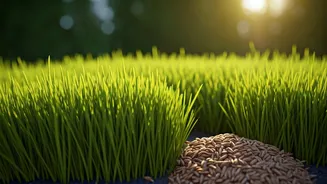
Overseeding is a highly effective technique for revitalizing established lawns, specifically targeting areas that have become thin or completely bare.
This process involves introducing new grass seed onto the existing turf, which, when done correctly, helps to fill in these sparse regions and contribute to a denser, more robust overall appearance. The success of overseeding hinges significantly on its timely execution. Improper timing can lead to seeds struggling to germinate, resulting in weak growth that is more susceptible to diseases and the encroachment of unwanted weeds. Therefore, understanding the 'when' is just as critical as the 'how' to ensure that your efforts lead to a truly flourishing lawn rather than a temporary patch-up job. Addressing any underlying issues that may have caused the bare patches in the first place is also paramount for long-term success.
Preparing Your Soil
Before you scatter any seeds, preparing the ground is a vital step for successful germination. For smaller bare spots, a gentle raking is usually sufficient. The goal is to lightly disturb the soil's surface without uprooting the existing grass. Once the soil is loosened, you can spread your chosen grass seed by hand and then rake again, ensuring the seeds are nestled into the soil. For larger areas that require more extensive reseeding, utilizing a core aerator is recommended. This machine pulls out plugs of soil, creating numerous holes that improve air circulation and provide an ideal environment for seeds to establish. Aim for approximately 20 to 40 aeration holes per square foot. After seeding, use a drag mat or a piece of chain-link fencing to lightly drag over the area. This helps to ensure good seed-to-soil contact, which is crucial for germination. Post-seeding care involves light watering once or twice daily and maintaining your lawn's height between 1.5 and 2 inches through regular mowing. For optimal nutrient uptake, applying a lawn fertilizer about six weeks after you observe new green shoots emerge is advisable.
Diagnosing Lawn Woes
Before embarking on the overseeding process, it's essential to identify and rectify the root causes of your lawn's bare patches. Overlooking this crucial step means that any overseeding you perform will likely only serve as a temporary solution, with the problem inevitably recurring. Common culprits behind thinning grass include inadequate or inconsistent watering practices, the accumulation of excessive thatch (a layer of dead organic matter on the soil surface), or infestations of pests that damage grass roots. Persistent weed issues can also crowd out healthy grass. By thoroughly investigating and addressing these underlying conditions – perhaps through adjusting your watering schedule, implementing dethatching treatments, or employing targeted pest control methods – you create an environment where new grass can not only survive but thrive, leading to a genuinely resilient and lush lawn.
Optimal Seeding Seasons
The timing of your overseeding efforts significantly impacts their effectiveness, and fortunately, there are strategic windows throughout the year to achieve the best results. One favorable period is late winter or early spring, as soon as soil temperatures consistently reach around 55°F, which is the ideal range for germination. Alternatively, you can overseed while conditions still favor dormancy, then begin regular watering once temperatures climb to 55°F or higher. For those who prefer fall overseeding, it's crucial to sow the seeds early enough to allow new shoots to establish before the harsh winter cold sets in. The most opportune time for fall overseeding often corresponds with ideal air temperatures between 60 and 75°F, particularly beneficial for cool-season grasses. It's also important to consider daylight hours; growth above ground typically ceases when there are fewer than 10 hours of daylight. Additionally, local regulations concerning late-season lawn fertilization might influence your chosen date. Consulting with local nurseries or extension offices can provide tailored advice based on your specific climate and grass type.
Beyond Overseeding: Sod Patches
While overseeding is an excellent strategy for gradual lawn repair, there are instances where a quicker fix is desired. For immediate full coverage of bare patches, consider using sod. This involves cutting pieces of pre-grown turf to precisely fit the unsightly areas. Once cut, place the sod into the bare spots and gently press it down, either by hand or by walking on it, to ensure it makes firm contact with the underlying soil. The goal is to have the sod level with the surrounding existing turf. After the sod is in place, proper watering and fertilization are essential for its establishment and continued health. Ensuring even distribution of water and nutrients will prevent issues like fertilizer burn in concentrated spots or underwatering in others. This method provides an instant aesthetic improvement and a solid foundation for a fuller lawn.
Protecting New Growth
Once you've invested time and effort into patching your lawn, whether through overseeding or sodding, it's imperative to protect the newly established grass. This stage is critical for ensuring the success of your repair efforts. High-traffic areas can be detrimental to delicate young grass shoots. To mitigate this, consider temporarily cordoning off the treated areas using string or temporary fencing. This simple measure helps to prevent damage from foot traffic, playful pets, or any other disturbances that could uproot seedlings or compact the soil. By creating a protected zone, you give the new grass the best possible chance to develop strong roots and establish itself fully, paving the way for a consistently beautiful and resilient lawn that you can enjoy for seasons to come.