






Plan Your Meals
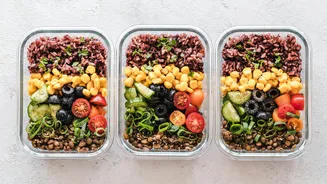
Embrace the power of planning before you even step into the kitchen. Creating a daily or weekly meal plan is a fundamental step towards reducing food waste.
This practice allows you to meticulously assess which ingredients you truly need and in what quantities, thus preventing unnecessary purchases and ingredient duplication in your pantry. By having a clear roadmap for your meals, you're less likely to fall prey to impulsive cooking or over-preparation. This foresight ensures that ingredients are used efficiently, contributing to both a tidier kitchen and a more sustainable approach to food management. Consider it your first line of defense against spoilage and expired items languishing in your cupboards.
Measure Accurately
In many Indian households, the habit of 'approximating' quantities is a significant contributor to food wastage. To combat this, consistently employ measuring cups, spoons, and standard portion sizes when cooking. This meticulous approach applies to staple ingredients like rice, flour, lentils, and pasta, ensuring you prepare only what is needed. Beyond just waste reduction, precise measurement also leads to considerable savings in time, energy, and cooking resources. It fosters a more controlled and efficient cooking process, transforming your kitchen into a hub of mindful consumption rather than a source of excess.
Store Food Wisely
Proper organization and refrigeration of cooked food are crucial for preventing spoilage. A simple yet effective strategy is to place older dishes at the front of your refrigerator and newer ones at the back, encouraging timely consumption. Utilizing airtight containers, maintaining optimal cooling temperatures, and clearly labeling your food items can significantly extend their freshness and shelf life. Furthermore, maintaining good hygiene by keeping raw meat and poultry products separate from fruits and vegetables is paramount to prevent cross-contamination and ensure food safety within your fridge.
Reimagine Leftovers
View leftover food not as waste, but as a canvas for culinary creativity. Many dishes can be transformed into entirely new, delicious meals. For instance, leftover rice can become flavorful fried rice, while cooked rajma can be skillfully molded into savory tikkis. Even leftover rotis can be repurposed as bases for quick pizzas or creative noodle dishes. Similarly, leftover dal can be incorporated into dough for protein-rich parathas, and leftover khichdi can be jazzed up with cheese to create delightful arancini balls. This innovative approach not only reduces the amount of food discarded daily but also helps maintain a balanced food quantity within your household.
Buy Only What's Needed
A fundamental aspect of reducing food waste lies in mindful procurement. Before embarking on grocery shopping, meticulously cross-check your pantry and refrigerator to ascertain exactly what you have on hand. This practice is vital for preventing the accumulation of excess food items that may eventually expire and go to waste. By purchasing only what you need, you avoid unnecessary clutter in your storage spaces and eliminate the risk of spoilage. This conscious consumerism not only benefits your household budget but also contributes to a more sustainable food system by minimizing demand-driven waste.