






Smog's Grim Reality
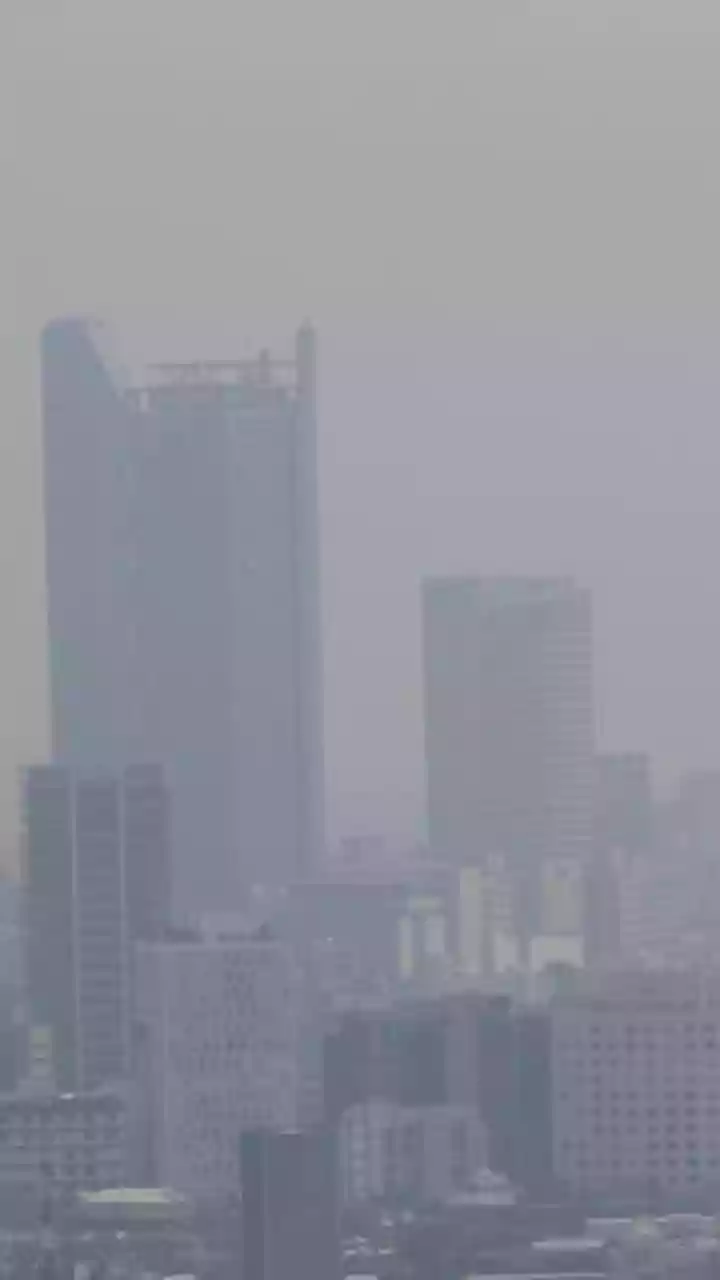
The dense smog blanketing Delhi has drastically reduced air quality, with the AQI reaching 418, signaling a 'severe' category. This level indicates that
the air is extremely polluted, posing significant health risks to the residents of Delhi and the surrounding areas. The 'severe' AQI classification implies that even healthy individuals may experience respiratory issues, while those with existing conditions face a heightened risk of serious health complications. This deterioration underscores the urgency to address the sources of pollution and implement effective mitigation measures to protect the public health.
AQI's Alarming Rise
The AQI is a vital metric that evaluates air quality; a value of 418 denotes 'severe' conditions, indicating hazardous pollution levels. Various pollutants, including particulate matter (PM2.5 and PM10), ozone, nitrogen dioxide, and sulfur dioxide, contribute to this poor air quality. These pollutants can irritate the eyes, nose, and throat, causing respiratory distress and exacerbating cardiovascular ailments. Prolonged exposure to such high pollution levels elevates the likelihood of severe health consequences, prompting immediate action to safeguard public well-being.
Causes of Pollution
Several factors combine to create Delhi's smog problem. During the winter months, a dip in temperatures can trap pollutants close to the ground, which leads to smog formation. Other contributors include vehicular emissions, industrial activities, and construction dust. Additionally, stubble burning in neighboring states significantly impacts the air quality in Delhi. These diverse sources, combined with unfavorable weather patterns, worsen air quality, creating a dangerous environmental situation that endangers citizens' health.
GRAP-4 Curbs Imposed
In response to the deteriorating air quality, GRAP-4 (Graded Response Action Plan) curbs have been implemented across Delhi-NCR. This stage of the plan involves stringent measures designed to reduce emissions. These steps often include halting construction activities, restricting the use of certain vehicles, and potentially shutting down polluting industries. The enforcement of GRAP-4 represents a concerted effort to curb pollution levels and mitigate the immediate health risks associated with the severe air quality, aiming to protect the health of those living in Delhi and the surrounding areas.
Protecting Delhi Residents
The 'severe' air quality underscores the need for immediate action by individuals. Government advisories suggest limiting outdoor exposure, especially for vulnerable groups like children, the elderly, and those with respiratory issues. Wearing N95 masks when outside is highly recommended. Other suggestions include using air purifiers indoors, and staying updated with local air quality forecasts. Such precautions are critical for minimizing the adverse health impacts of the smog, and ensuring the safety of all residents.