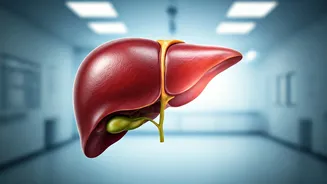

What is MASLD?
MASLD, once known as Non-Alcoholic Fatty Liver Disease (NAFLD), is a condition characterized by excessive fat accumulation in the liver. This buildup isn't
caused by alcohol consumption, differentiating it from alcohol-related liver diseases. The term 'metabolic dysfunction-associated' highlights the link between MASLD and metabolic issues, such as insulin resistance, obesity, and type 2 diabetes. While early stages may show minimal symptoms, MASLD can progress to more severe forms, including steatohepatitis (MASH), fibrosis, cirrhosis, and even liver cancer. The progression and severity of MASLD vary among individuals, influenced by genetics, lifestyle, and other health factors. Understanding the fundamental nature of MASLD is the first step toward effective prevention and treatment strategies. People with MASLD, especially those with advanced fibrosis or cirrhosis, may experience fatigue, abdominal pain, or swelling. However, many individuals with MASLD remain asymptomatic for a prolonged period, which makes its early detection and diagnosis difficult. This underscores the need for proactive screening, especially for those with risk factors like obesity or diabetes.
Rising Prevalence in India
The prevalence of MASLD is rapidly increasing in India, reflecting broader shifts in lifestyle and dietary habits. Changes in eating patterns, increased consumption of processed foods, and decreased physical activity are significant contributors to the rise of MASLD. Furthermore, the high prevalence of diabetes and obesity in the Indian population elevates the risk of developing MASLD. The disease often goes undetected because many individuals with MASLD do not experience any noticeable symptoms until the condition has advanced. This silent nature of MASLD makes routine screenings and early intervention even more critical. The increasing urbanization and changing socioeconomic conditions also play a role, as these factors impact access to nutritious food and opportunities for exercise. Addressing this issue requires a multifaceted approach involving public health initiatives, lifestyle modifications, and enhanced awareness campaigns to promote early detection and effective management of MASLD across the Indian population. The disease prevalence varies across different regions of India, often reflecting variations in lifestyle, dietary patterns, and healthcare access.
Causes and Risk Factors
The development of MASLD is closely tied to metabolic dysfunction, influenced by various factors. Insulin resistance, where the body's cells don't respond effectively to insulin, is a primary driver. Obesity, particularly abdominal fat, increases the risk significantly because this type of fat is metabolically active and can promote inflammation. Type 2 diabetes, which is often associated with insulin resistance, contributes to the progression of MASLD. Genetics also play a role, influencing an individual's susceptibility to the disease. Other contributing factors include a sedentary lifestyle, unhealthy dietary habits (high in saturated fats, refined carbohydrates, and fructose), and certain medical conditions like high cholesterol and high blood pressure. Some medications can also increase the risk. Identifying and managing these risk factors is essential in preventing and controlling MASLD. Regularly monitoring blood glucose levels, maintaining a healthy weight through diet and exercise, and addressing other underlying health conditions are critical steps in managing the risk factors associated with MASLD.
Symptoms and Diagnosis
MASLD often progresses without noticeable symptoms, which makes it challenging to detect. Many individuals remain asymptomatic until the disease advances to more severe stages. When symptoms do occur, they can include fatigue, abdominal discomfort, especially in the upper right quadrant, and, in advanced cases, jaundice (yellowing of the skin and eyes) and swelling in the legs or abdomen (ascites). Diagnosis typically involves a combination of medical history, physical examination, and diagnostic tests. Blood tests, such as liver function tests (LFTs), can reveal elevated liver enzymes, although these tests may not always be abnormal in early stages. Imaging techniques, such as ultrasound, computed tomography (CT) scans, and magnetic resonance imaging (MRI), are used to visualize the liver and detect the presence of fat. A liver biopsy is considered the gold standard for definitive diagnosis and for assessing the severity of liver damage, though it is not always necessary. The earlier MASLD is diagnosed, the better the chances of slowing or reversing its progression through lifestyle changes and medical management.
Prevention and Management
The cornerstone of managing MASLD involves lifestyle modifications and, in some cases, medical interventions. Weight loss is a crucial strategy, as even a modest reduction in body weight can significantly improve liver health. Dietary changes, such as reducing the intake of saturated and trans fats, refined carbohydrates, and sugary drinks, are highly beneficial. Increasing physical activity, aiming for at least 150 minutes of moderate-intensity exercise per week, is also very important. Medical management may include medications to control diabetes, high cholesterol, and other associated conditions. In some cases, medications may be prescribed to improve liver function and reduce inflammation. Regular monitoring by a healthcare professional is essential to track the progression of the disease and make necessary adjustments to the treatment plan. Adhering to a healthy lifestyle and following medical advice is critical to prevent the progression of MASLD to more severe forms, such as cirrhosis and liver cancer. Patient education and support are also key components of successful management.